 English
 русский
 Español
 عربى
2026/11/06
Industry News

Laboratory instruments are specialized tools and devices used for scientific research, analysis, and experimentation across chemistry, biology, environmental science, and industrial applications. Modern laboratory instruments combine precision, automation, and sustainability, enabling researchers and technicians to perform experiments efficiently, safely, and reliably across diverse scientific disciplines.
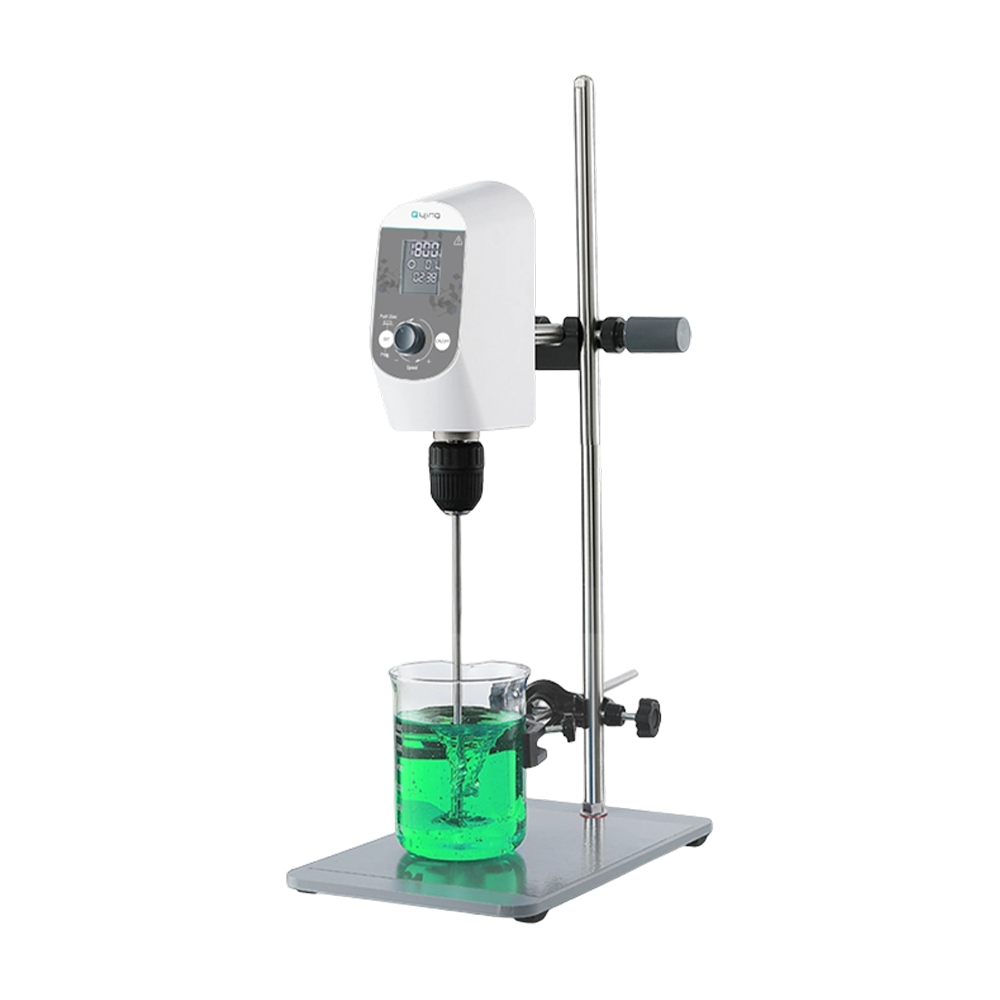
High speed accuracy, six-segment program control;F...
Check the Details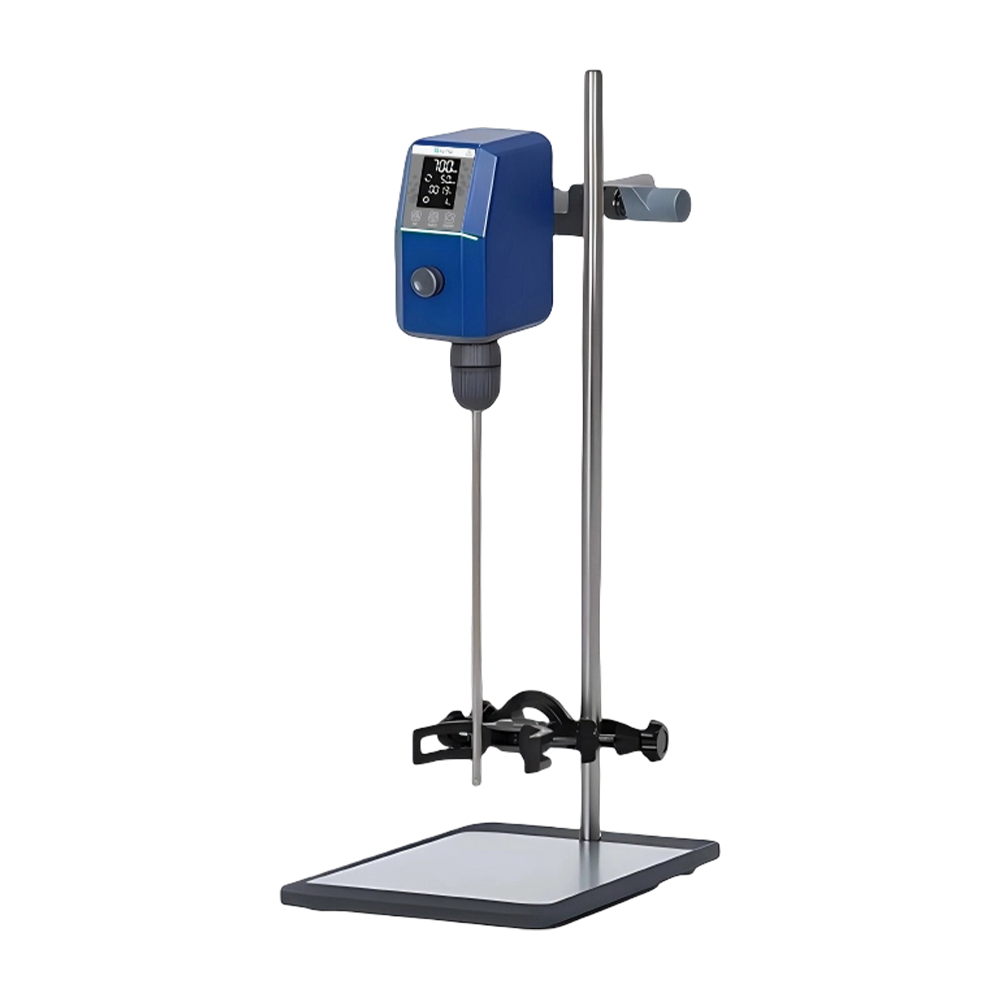
Intelligent chip, accurate control of microprocess...
Check the Details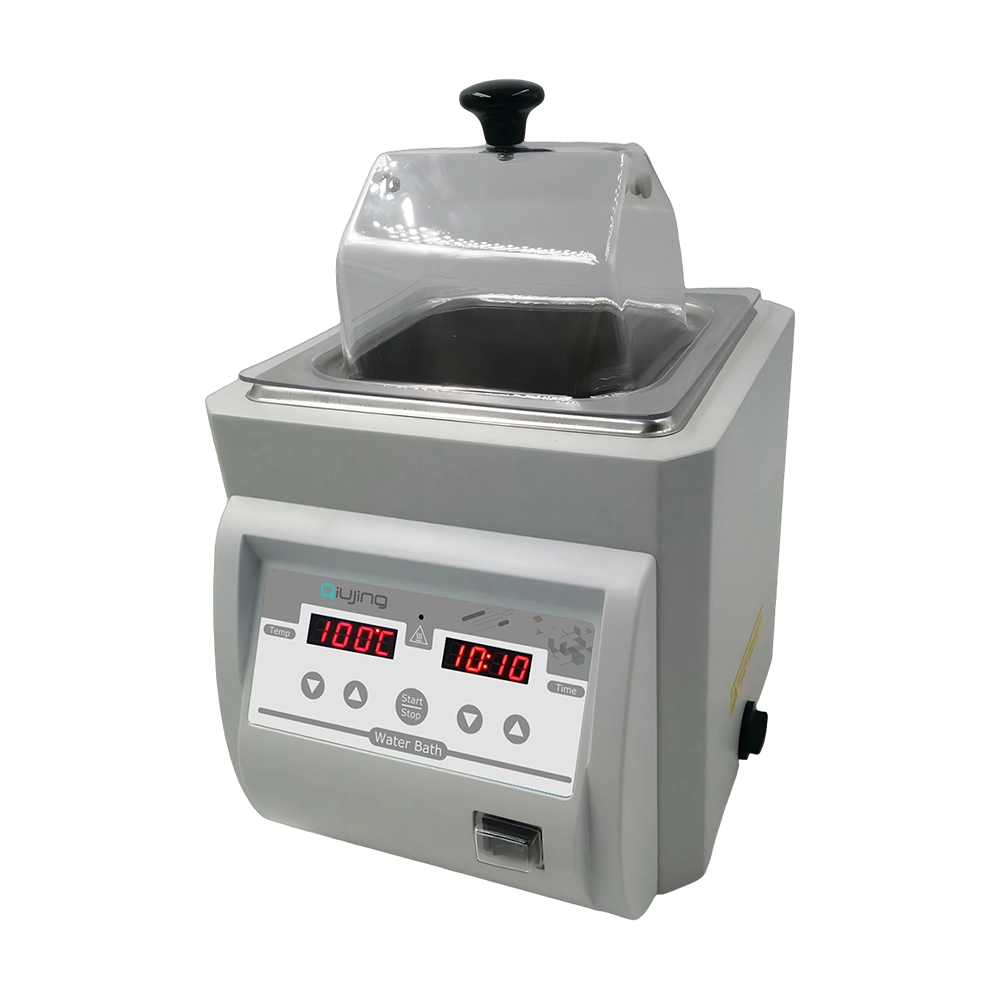
A constant-temperature water bath is a kind of tem...
Check the Details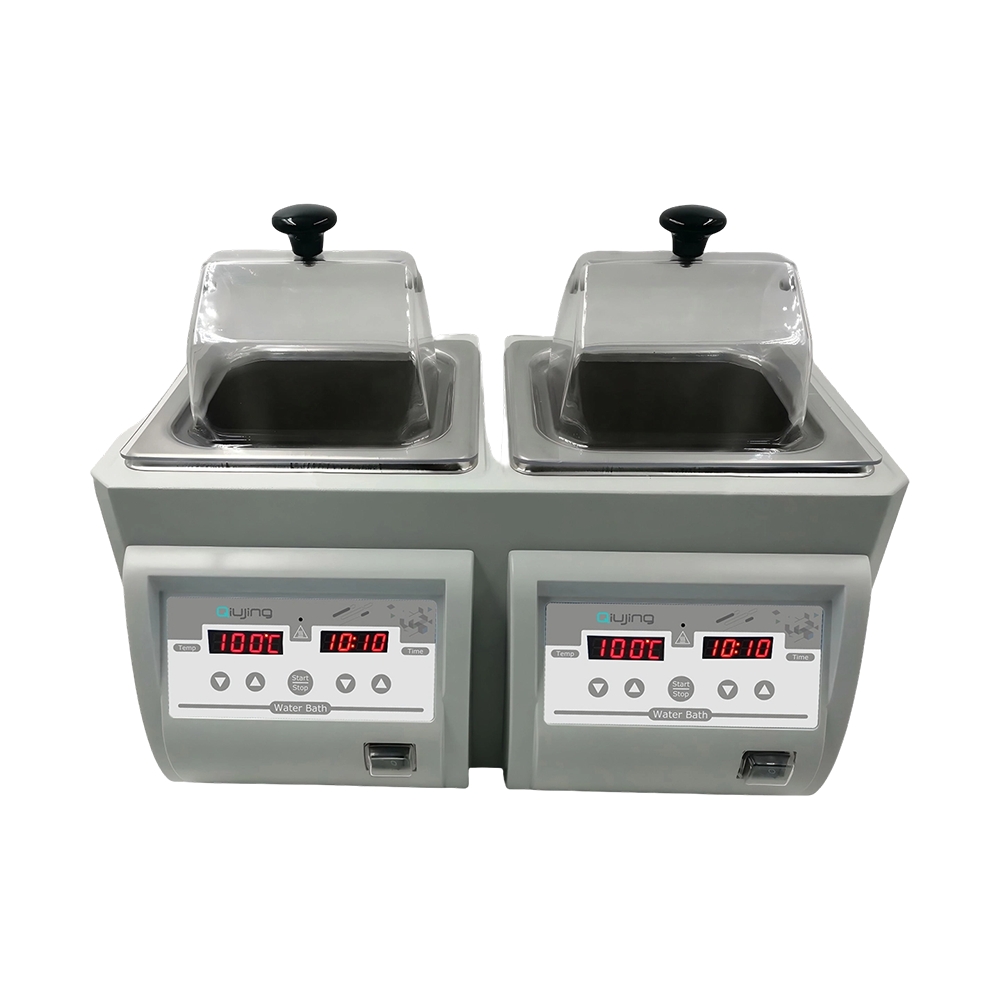
Constant temperature water bath is a kind of tempe...
Check the Details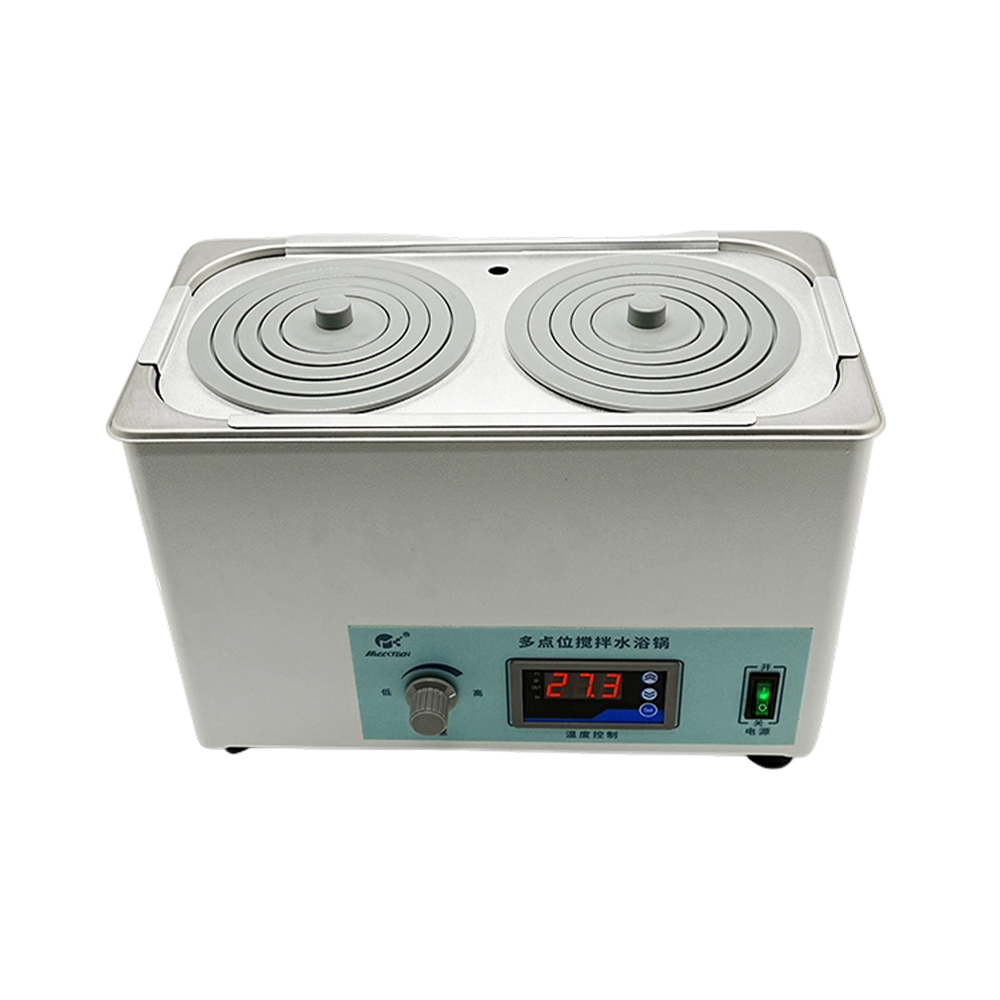
U-shaped heating & water bath cycle, completel...
Check the Details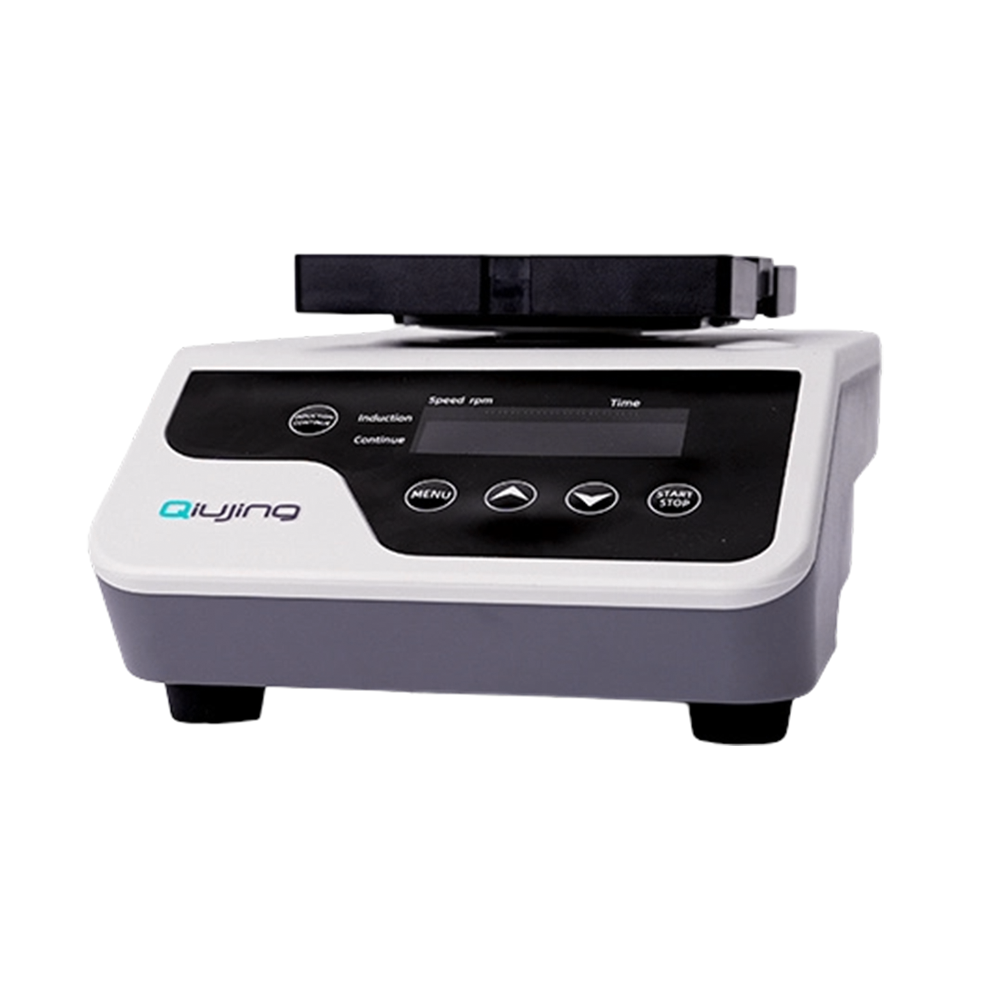
Characteristic AdvantageTwo safe operation modes "...
Check the Details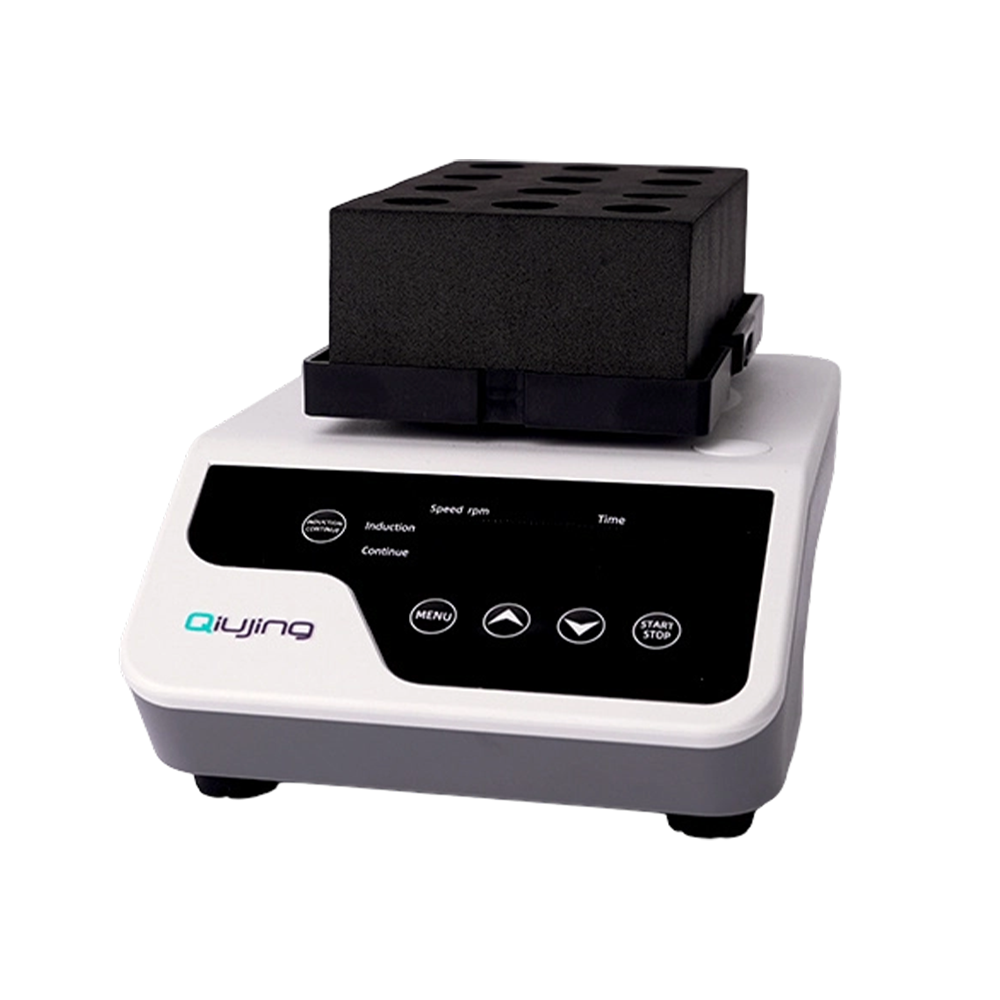
Characteristic AdvantageST intelligent analysis an...
Check the Details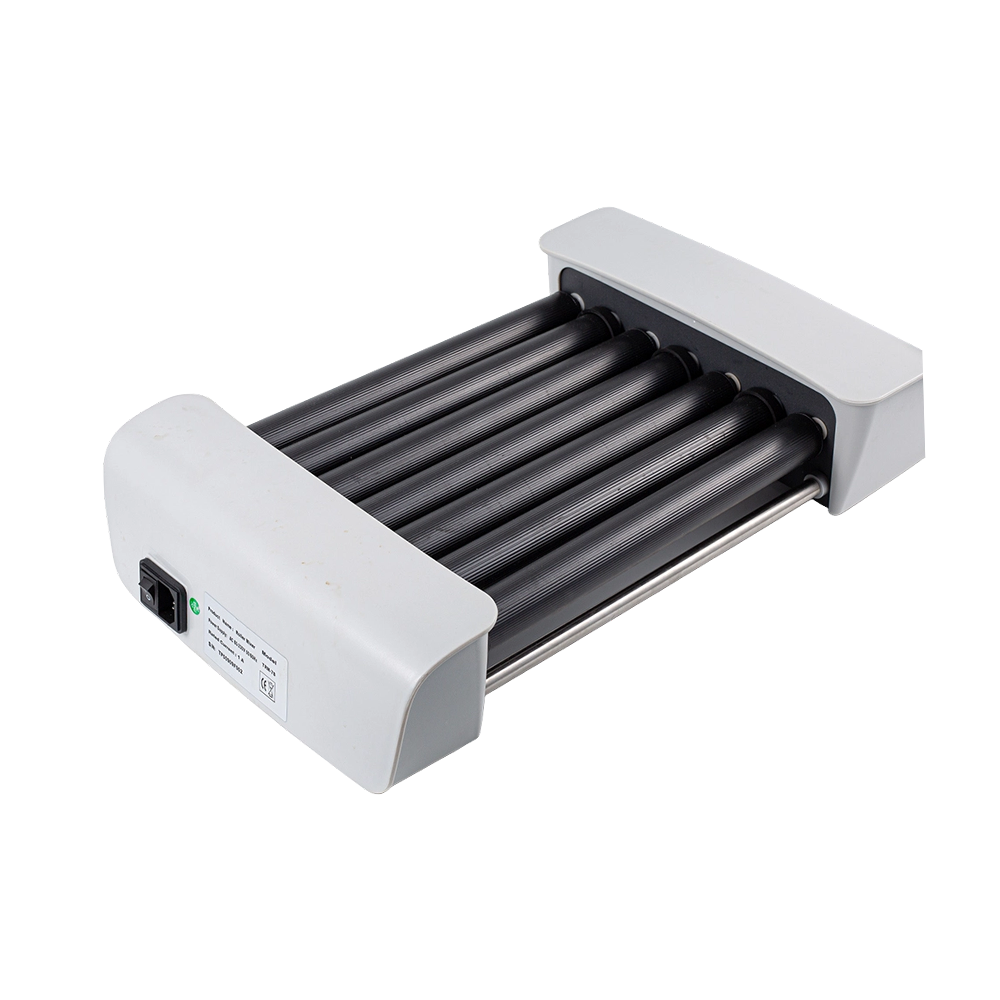
Seven roller design, suitable for a variety of sam...
Check the Details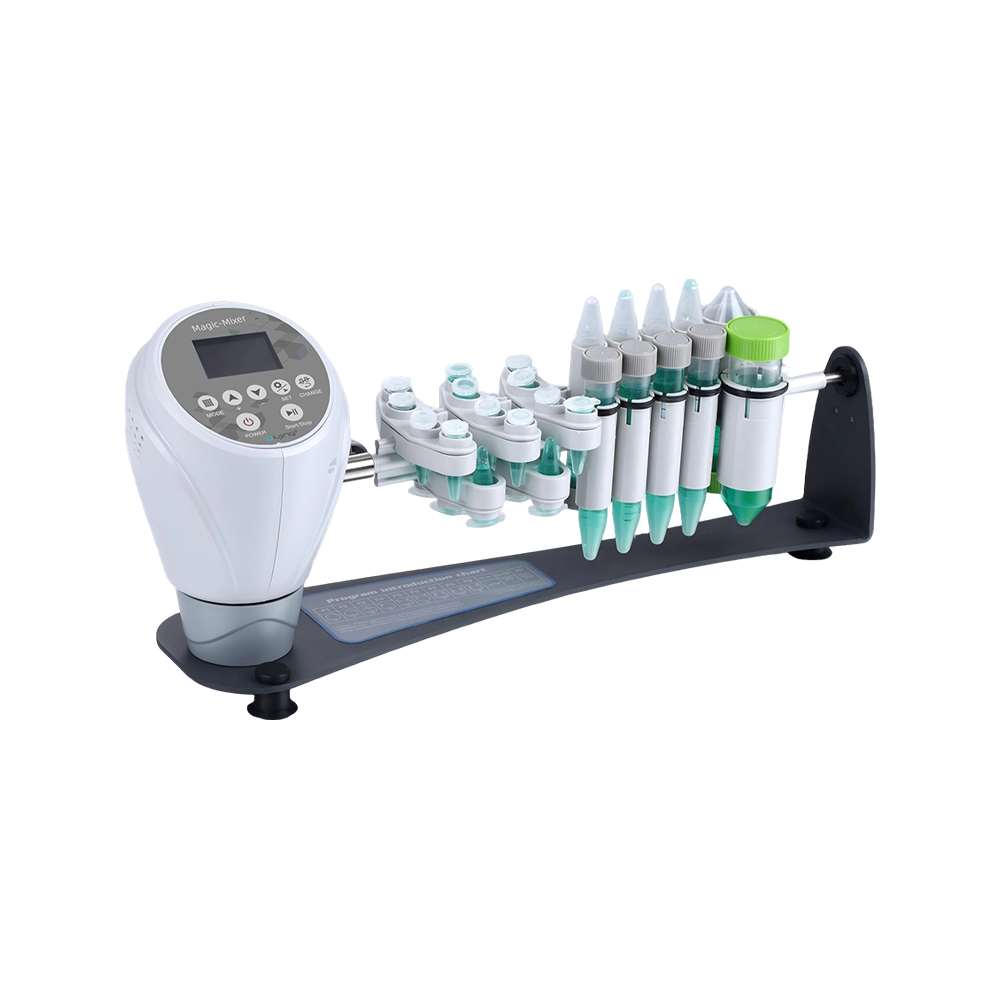
360° vertical rotation creates long wave motion fo...
Check the Details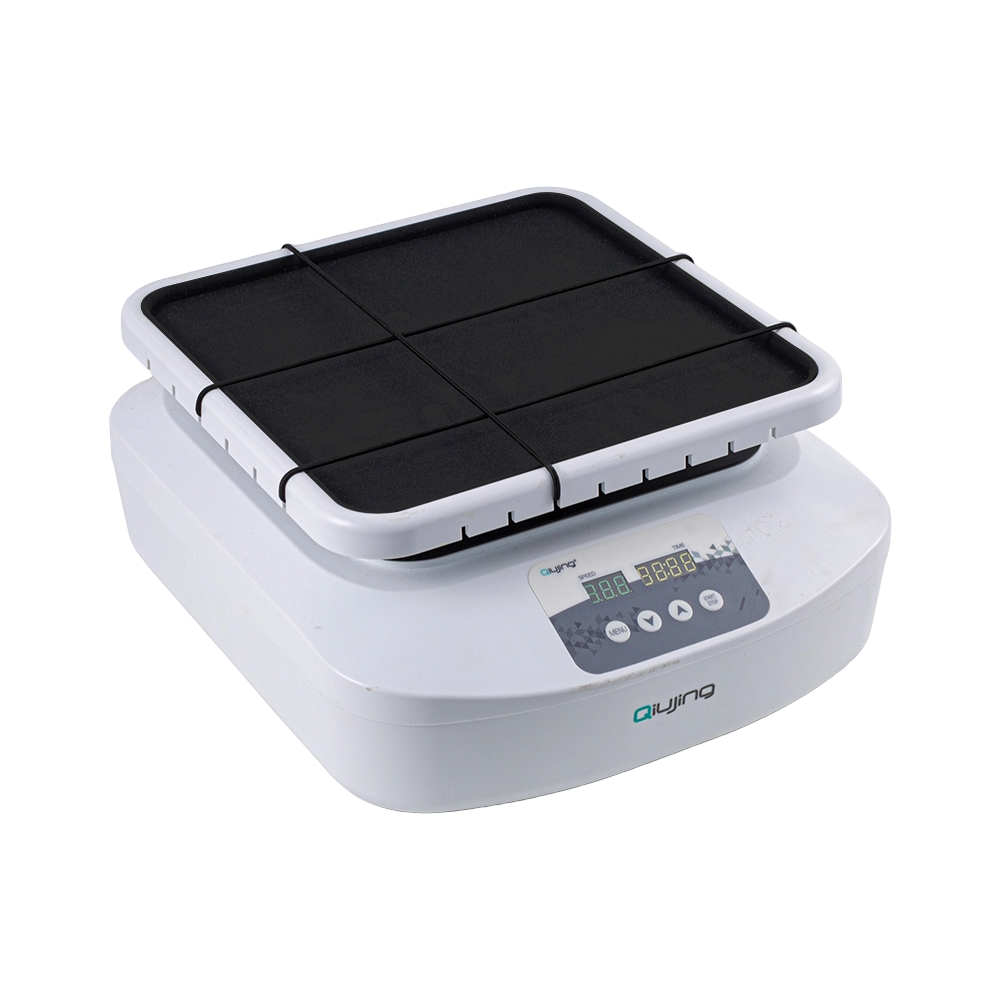
Widely used in environmental monitoring, health, b...
Check the Details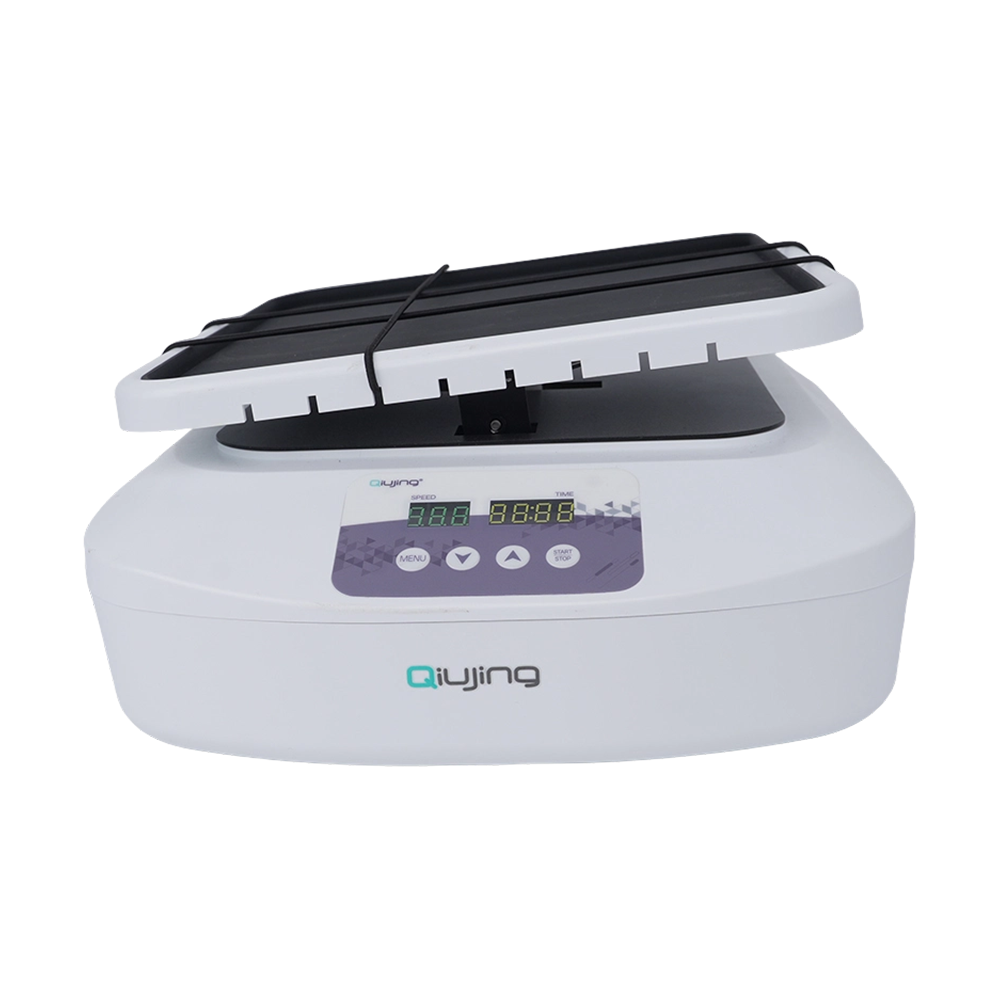
Widely used in environmental monitoring, health, b...
Check the Details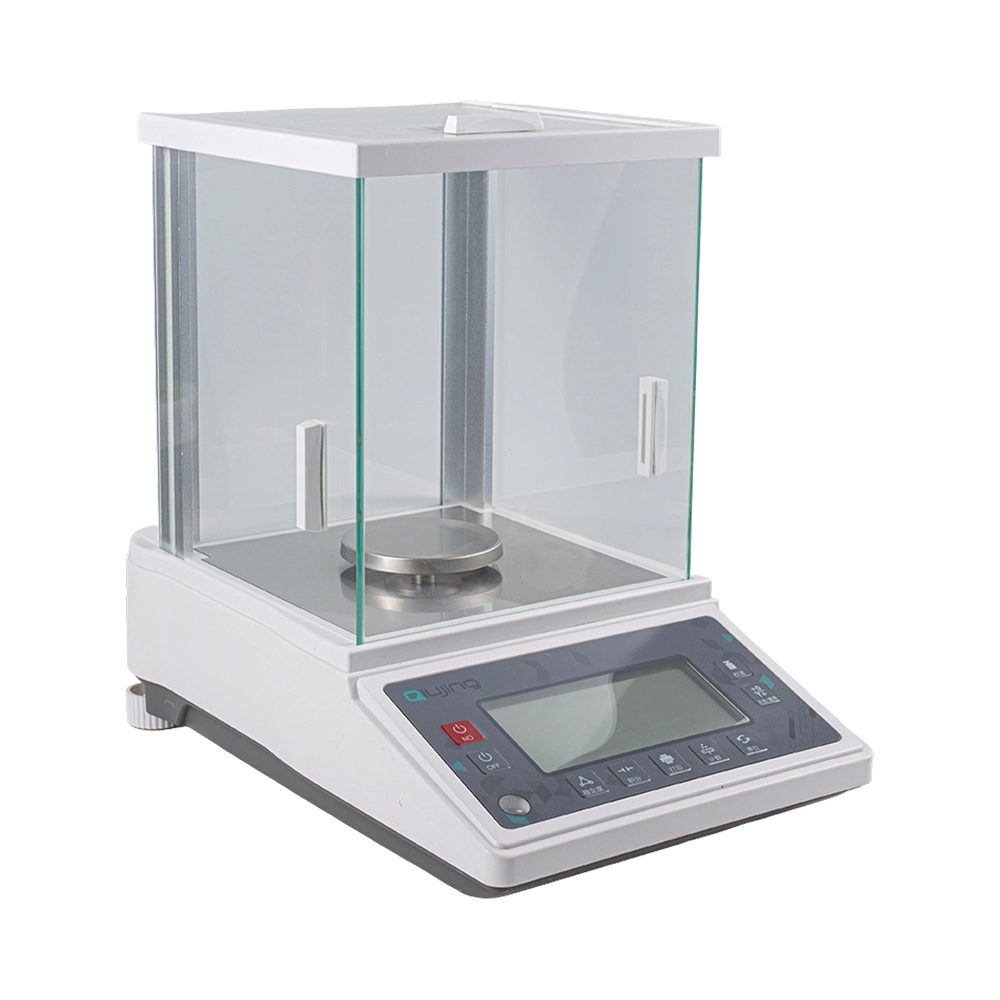
Bright and clear keys in all lighting conditions a...
Check the Details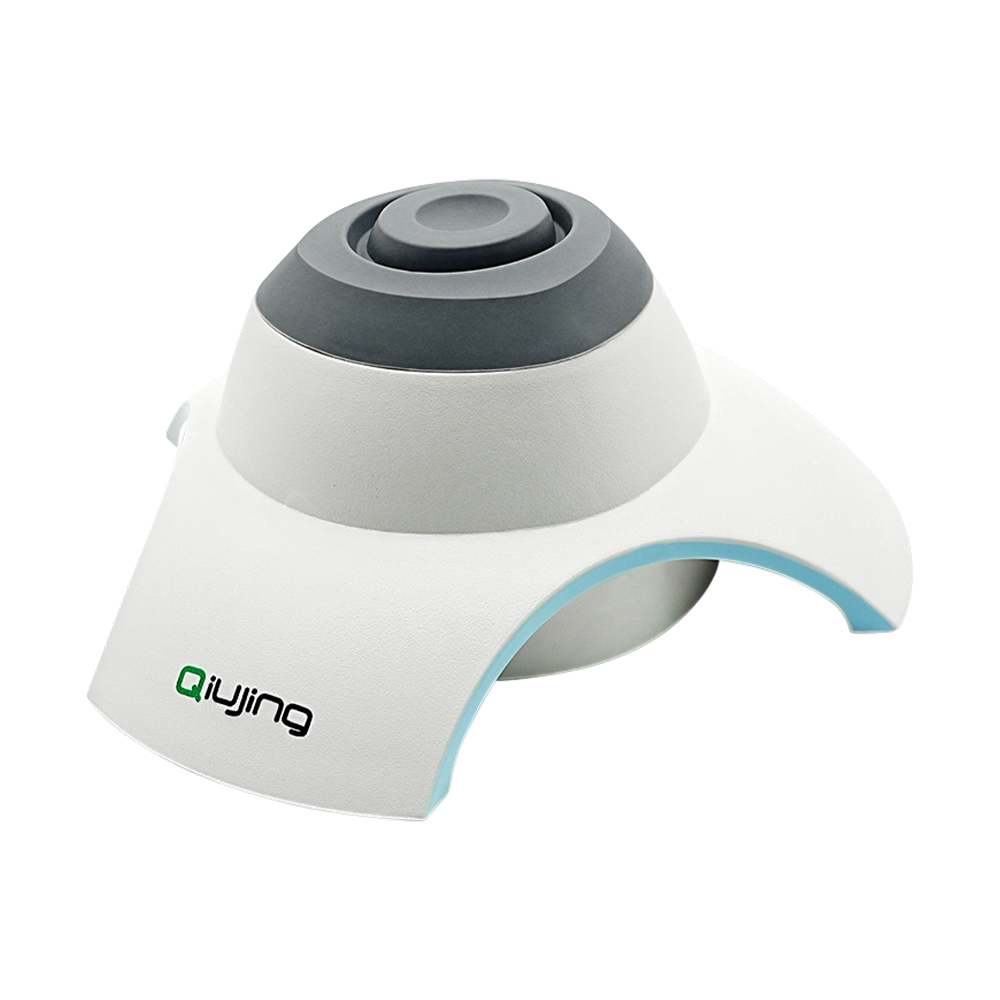
BELIEVE IN OUR STRENGTH




Founded In

Industry Experience

Factory Area
Core Products
Shanghai Qiujing Biochemical Reagent & Instrument Co., Ltd. develops and manufactures precision laboratory instruments for chemistry, biology, environmental, clinical and industrial laboratories. Our brand has been active in the laboratory instrument sector since 1988, and the range now covers 44 instruments across eleven instrument families, supported by pipetting products and laboratory consumables.
We work both as a catalogue supplier and as an OEM/ODM partner, so our position is a China Laboratory Instruments Supplier that can ship a defined model or build to a customer specification. Each family is therefore engineered around a working point rather than a single fixed configuration.
The table below shows how the eleven instrument families in this range map onto routine laboratory work. Models, control types and vessel formats are confirmed at quotation stage.
| Family | Range Content | Application Fit |
|---|---|---|
| Laboratory Centrifuge Series | 7 models: mini centrifuges, benchtop low-speed and micro high-speed refrigerated units | Serum and plasma separation, cell pelleting, plasmid extraction, protein preparation |
| Laboratory Magnetic Stirrer Series | 4 models: single-channel and four-channel, heated or unheated, plus mini formats | Buffer and media preparation, dissolution, parallel stirring on multi-position benches |
| Laboratory Mixer Series | 7 models including vortex mixers with silicone oscillating gaskets | Re-suspension, homogenisation and short-cycle mixing of small sample volumes |
| Laboratory Electric mixer Series | 2 cantilever/overhead mixers with six-segment program control | Coatings, inks, small-batch dispersion, dissolving and shear mixing |
| Laboratory Water Baths Series | 3 models for controlled liquid temperature | Incubation, sample warming, reactions held at a stable setpoint |
| Laboratory Metal bath Series | 7 dry-block heating models | Heating where water contact is undesirable or tube-format heating is preferred |
| Laboratory Balance Series | 3 weighing models | Routine weighing, formulation and reagent preparation |
| Laboratory Photometer Series | 5 photometric models | Colorimetric concentration measurement and routine bench analysis |
| Laboratory pH Meter Series | 2 meter models with electrode options | pH measurement and electrode-based monitoring in aqueous samples |
| Laboratory preparation instruments | Sample preparation step within the workflow | Work-up before centrifugation, photometry or analysis |
| Analytical Instruments Series | 3 analytical models | Quality-control analysis and research workflows |
Instrument selection follows the sample and the result that has to be produced, not the bench it stands on. These are the environments our range is configured for most often.
Centrifuge configuration is set by tube format, working volume and the separation result rather than by headline speed alone. Our mini centrifuge family uses a PI high-frequency, full-range control scheme running on AC100–240V / 50–60Hz input, which keeps the same unit usable on different mains supplies. The Serene benchtop micro high-speed refrigerated models are applied in molecular biology, plasmid extraction and protein preparation, while the benchtop 2-4B low-speed unit works at 4000 rpm under microcomputer control for routine separations.
For magnetic stirring we confirm stirring volume, viscosity and whether heating is required. The Top Magic TOP1/TOP1H single-channel and TOP4/TOP4H four-channel units carry LCD displays with adjustable speed and time, and the TOP380 and Mini Star models use DC brushless motors. Liquid-volume mixing is covered by the mixer range, where a vortex unit can bring 40 ml of liquid into full rotation in about five seconds. The electric cantilever mixers add six-segment program control for dispersion and dissolving work.
We match readability and repeatability to the smallest quantity the method actually weighs or reads, then align electrode type, wavelength requirements and sample handling with the client's procedure. The photometer and pH meter families are specified together with the reference standards and calibration routine the laboratory already uses, so the instrument slots into an existing workflow.
Standard models already cover heated and unheated operation, single and multi-position stirring, and mini or benchtop footprints. Where a standard model does not fit, we run the requirement through our development process.
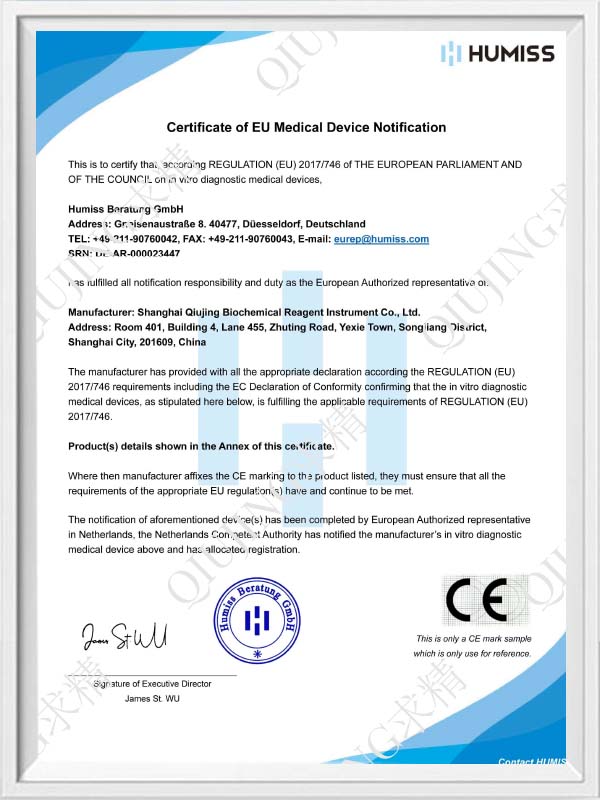
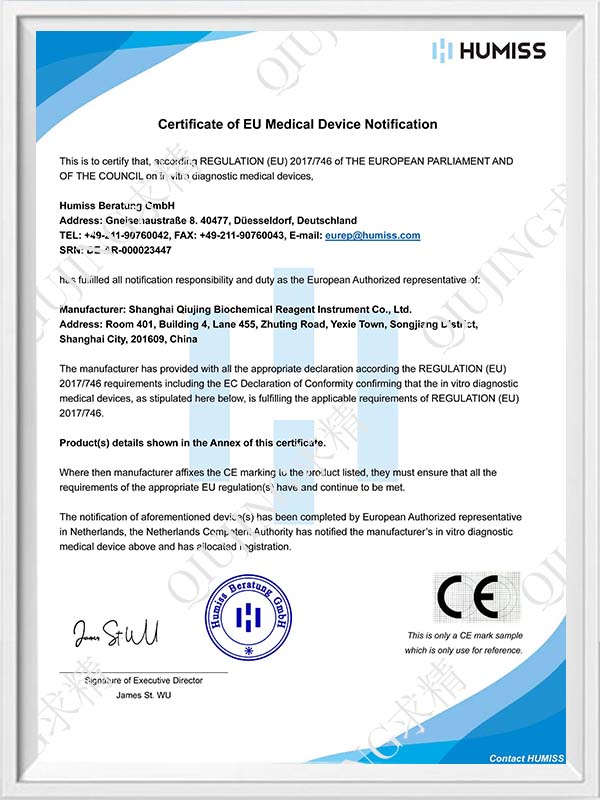
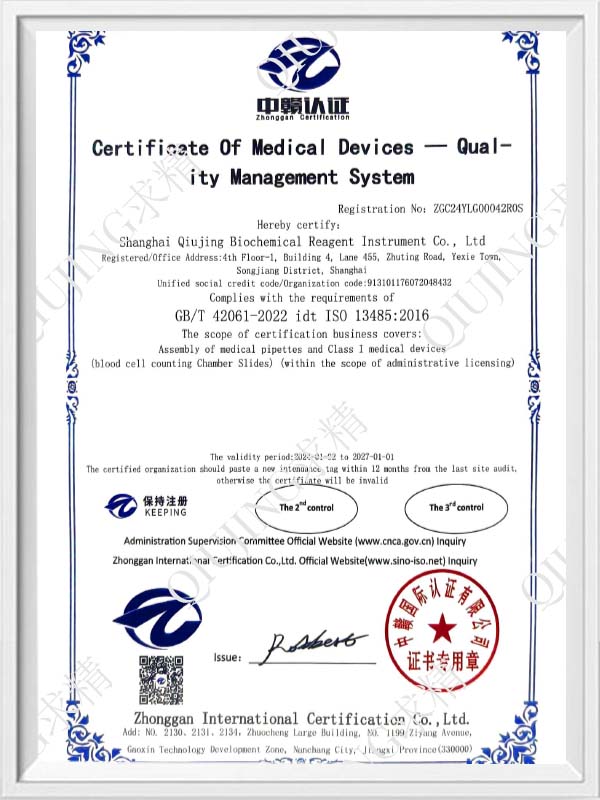
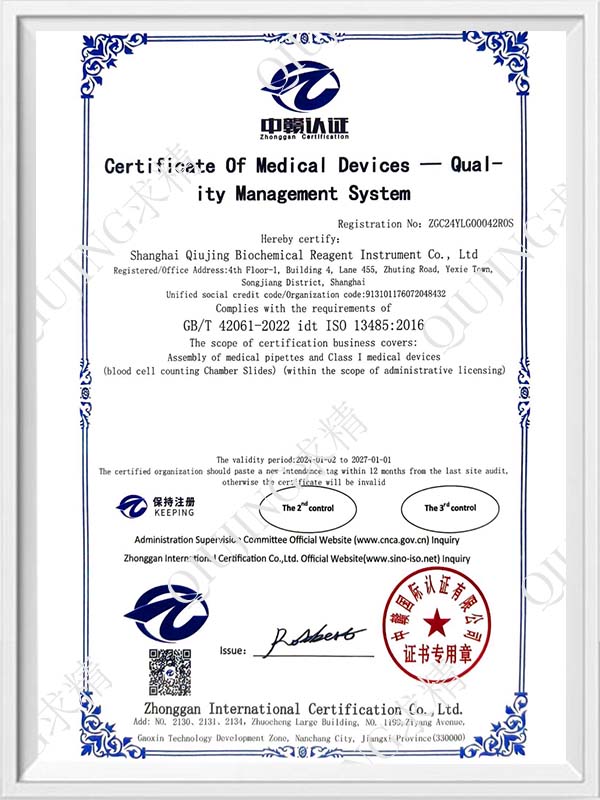
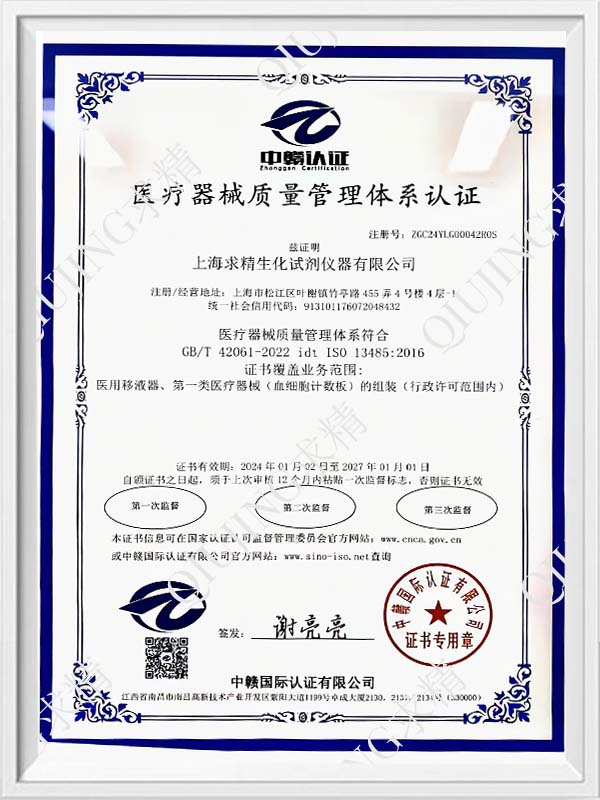
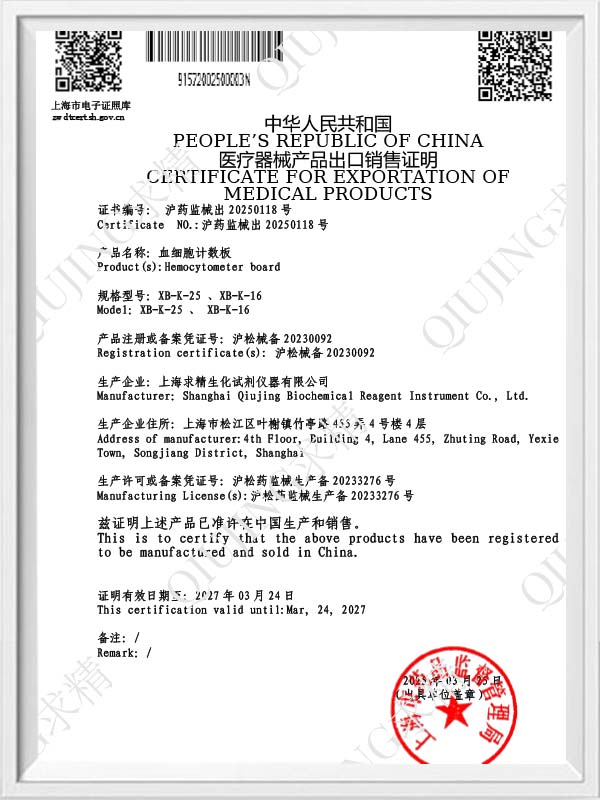
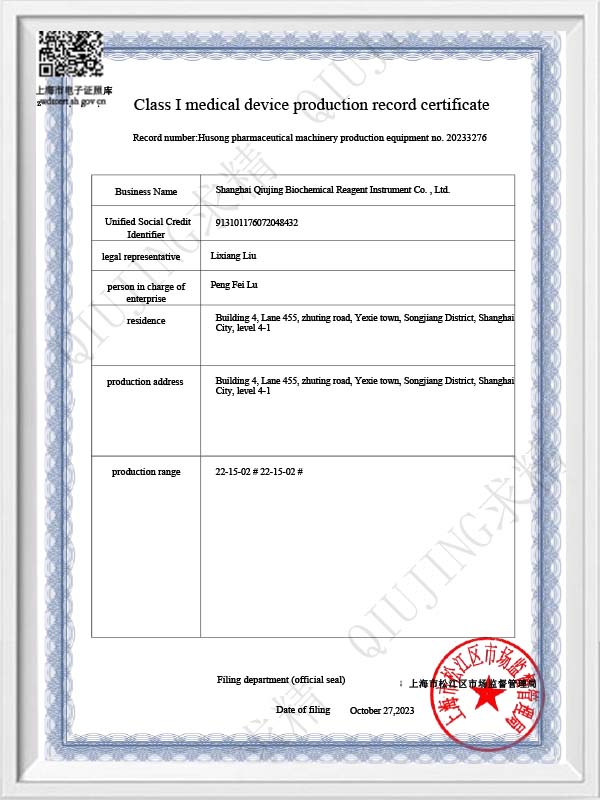
Our quality management system is certified to ISO 13485 and we hold CE certification for the instrument range. Production is controlled at three checkpoints — incoming raw material inspection, in-process testing and finished-product inspection — supported by an in-house test laboratory, so accuracy and stability are verified on the unit that is shipped, not only on a reference sample. Our certification documentation includes EU Medical Device Notification certificates, a Class I Medical Device Production Record Certificate and a Certificate of Export Sales for Medical Devices.
Acceptance is usually confirmed on sample performance for the specific application, with the agreed specification recorded on the order before production begins. This keeps the delivered configuration identical to the approved sample.
A quotation is only useful when it matches the method. These are the inputs our sales and technical team works from.
| Project Input | What It Determines |
|---|---|
| Application, sample matrix and method | Instrument family, model shortlist and suitable accessories |
| Tube, vessel or plate format and working volume | Rotor format, stirring capacity, bath or block size |
| Speed, temperature or weighing point required | Model class and control specification |
| Throughput per batch or per working day | Channel count, unit quantity and bench layout |
| Accuracy or repeatability target | Verification criteria and acceptance approach |
| Power supply and installation environment | Mains configuration, clearance and placement requirements |
| Branding, packaging and documentation needs | OEM/ODM scope, labelling and delivery scope |
| Quantity and required delivery date | Production planning; our standard lead time is 10 working days after confirmation |
We manufacture eleven instrument families: centrifuges, magnetic stirrers, laboratory mixers, electric cantilever mixers, water baths, metal baths, balances, photometers, pH meters, preparation instruments and analytical instruments, together with micropipettes, macropipettes, an automatic micro liquid dispenser and laboratory consumables.
Yes. We adjust specifications against customer drawings or samples, and we also handle appearance and packaging customization, including private-label programmes for distributors. A sample is confirmed before series production so the delivered units match the approved configuration.
Our quality management system is certified to ISO 13485 and the range carries CE certification. Our documentation set also includes EU Medical Device Notification certificates, a Class I Medical Device Production Record Certificate and a Certificate of Export Sales for Medical Devices.
Yes. We provide samples so the performance, dimensions and compatibility of the selected model can be verified against your application before the order is placed in production.
Standard lead time is 10 working days. It extends for customized specifications, larger quantities or multi-family orders, and we confirm the schedule with the order details.
Yes. Laboratory instruments, pipetting products and laboratory consumables are supplied through the same channel, so a laboratory setup can be consolidated into one order with one delivery schedule.



Copyright © Shanghai Qiujing Biochemical Reagent & Instrument Co., Ltd. All Rights Reserved. Laboratory Instruments Supplier Wholesale Lab Equipment Factory
