 English
 русский
 Español
 عربى
2026/11/06
Industry News

A hospital laboratory in Southeast Asia shortlists three benchtop spectrophotometers. All three cover the required wavelength range. Only one can send a result straight to a printer without a laptop sitting in between. That single detail, not the quotation total, decides the order. When you evaluate an analytical instruments manufacturer, you are rarely buying one box. You are buying a measurement path, a data path and a spare-parts path that all have to keep working for the next eight years.
So the useful questions are practical ones: what does this manufacturer actually build, which specifications genuinely change the buying decision, and what evidence should sit on the table before a purchase order is signed?
Content
An analytical instrument converts a sample into a number someone can defend in a report. That definition covers a wide bench: spectrophotometers that read absorbance, pH meters, analytical balances, and plate-based readers used for food safety testing, environmental monitoring and enzyme-linked immunosorbent assays.
Shanghai Qiujing has built laboratory instruments since its brand was established in 1988, with its Chinese and English trademarks registered in 1992, and organises its analytical line into four practical groups:
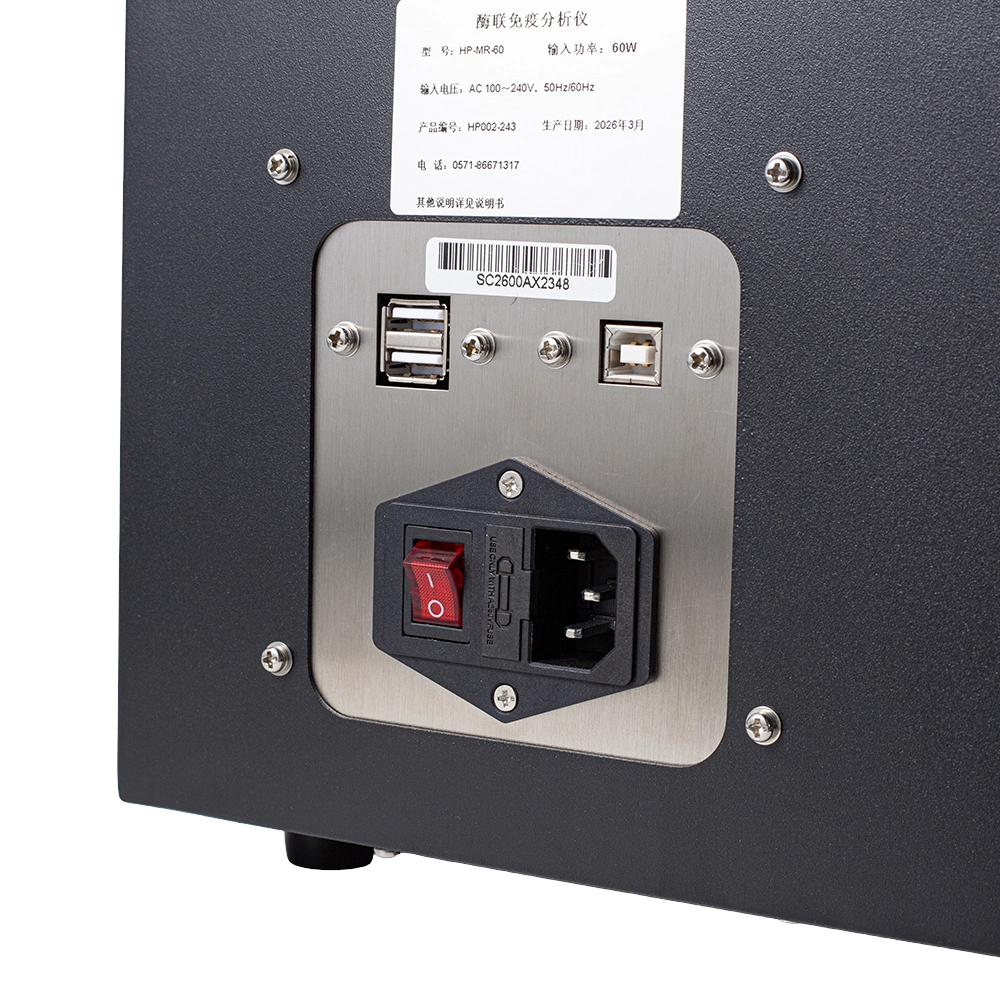 QJ-MR-60 Touch-Screen ELISA AnalyzerFor labs choosing a primary assay platform, this touch-screen ELISA reader supports quantitative antigen–antibody assays with 340–750 nm coverage and stored programs.View Product →
Here is the conclusion first: if your laboratory runs more than one assay type, buy the reader platform that matches your dominant workflow, then add a second detector when volume justifies it. Forcing a single all-round reader across ELISA and food-safety screening usually costs more in re-validation time than it saves on capital outlay.
Most purchase mistakes happen at the specification stage, not at installation. The table below sets out the classes a buyer typically compares and where the real decision sits.
| Instrument class | Specification to confirm | Common laboratory use | Frequent oversight |
|---|---|---|---|
| UV-Vis spectrophotometer | Spectral bandwidth (1 nm, 2 nm, 4 nm or 5 nm), single versus double beam, lamp type | Quantitative assays, nucleic acid and protein work, routine quality control | Bandwidth quoted without checking wavelength accuracy or stray light |
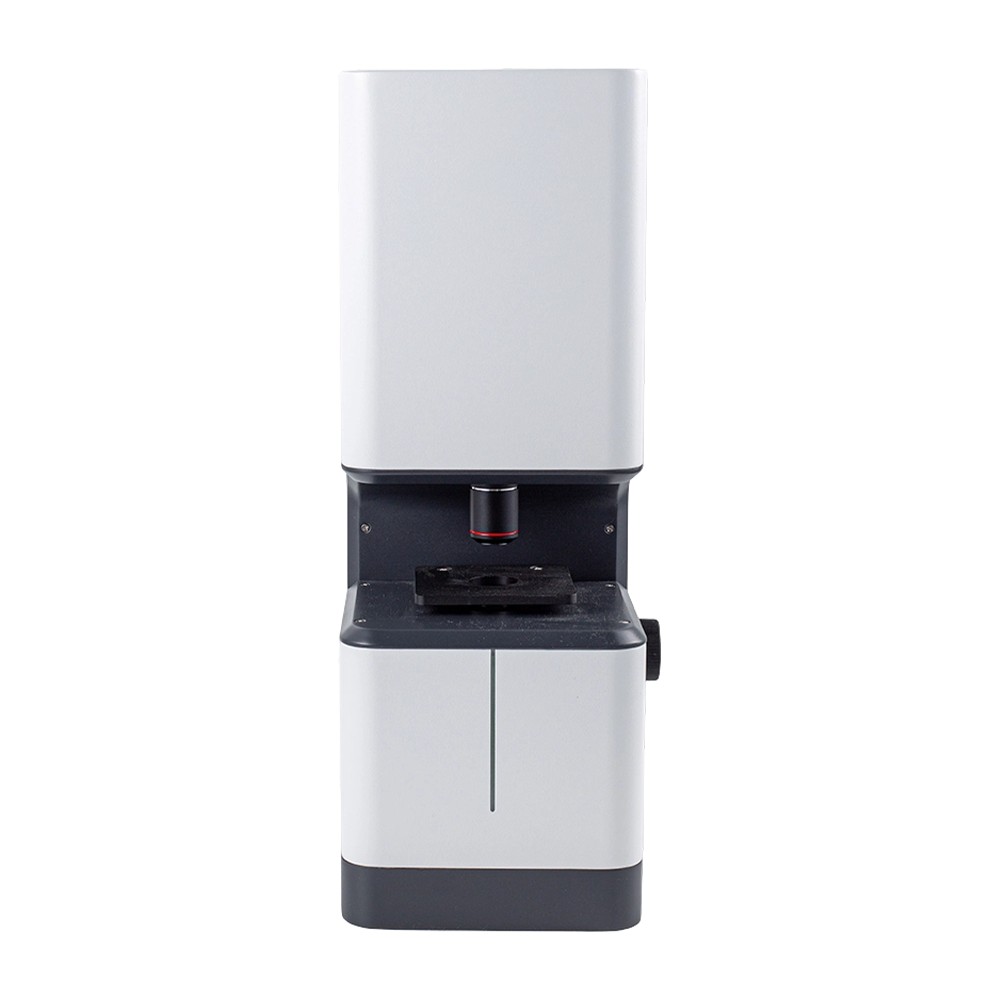
| Micro-volume spectrophotometer | Minimum sample volume, flash-lamp light source, linear detection range | DNA and RNA quantification, samples too precious to dilute | Assuming a micro-volume platform tolerates the same buffers as a cuvette |
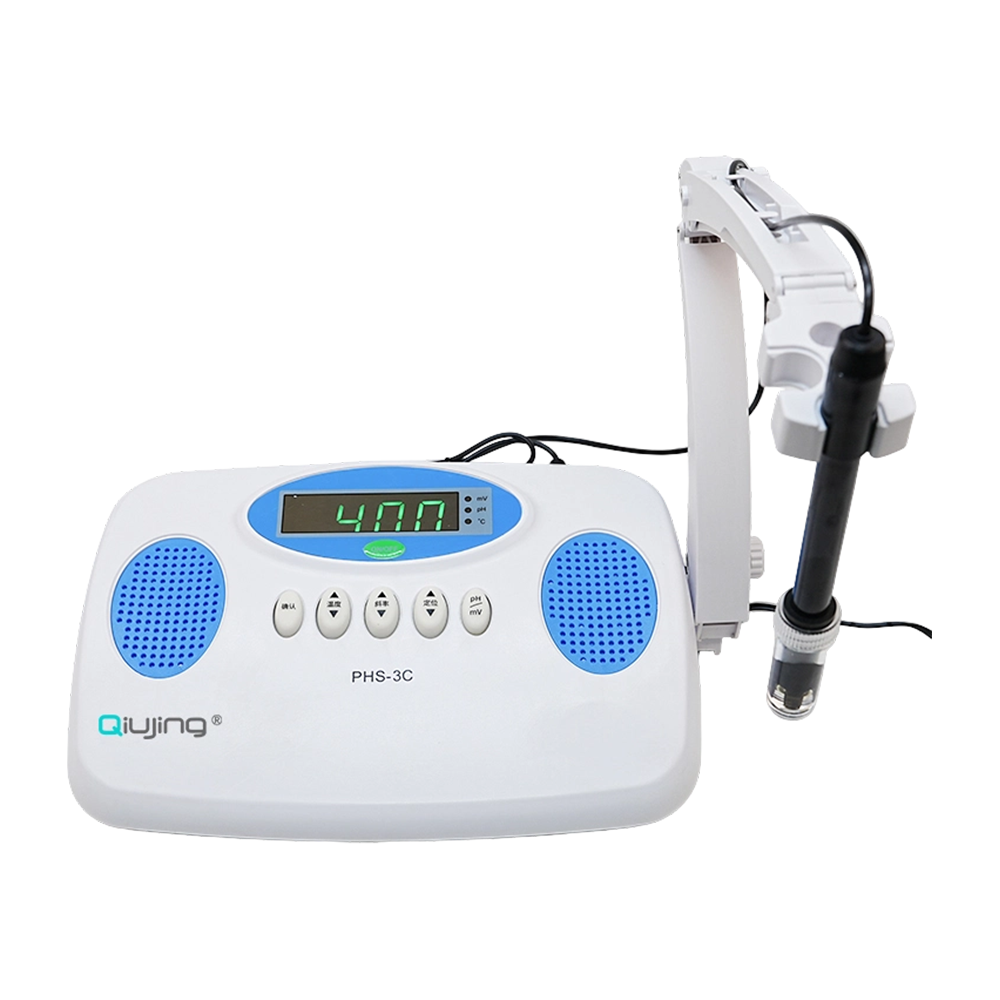
| pH meter | IP rating, electrode standard compliance, buffer set, data output | Media preparation, buffer quality control, fermentation monitoring | Splash protection specified for the meter but not for the electrode |
| Analytical balance | Readability (0.001 g versus 0.0001 g), draught shield, calibration routine | Standard preparation, sample weighing, reagent verification | Buying 0.0001 g readability for a bench that carries vibration |
| ELISA and food-safety reader | Filter wavelengths, plate format, on-board data handling | Screening programmes, ELISA, environmental monitoring | No export route for results when an auditor asks for raw data |
Bandwidth is the clearest example. A 2 nm instrument resolves narrow absorbance peaks well enough for quantitative assays; a 4 nm instrument handles routine concentration checks comfortably at a lower cost. Paying for resolution you never use is a waste, but buying too wide a band for a quantitative method creates calibration problems that surface months later.
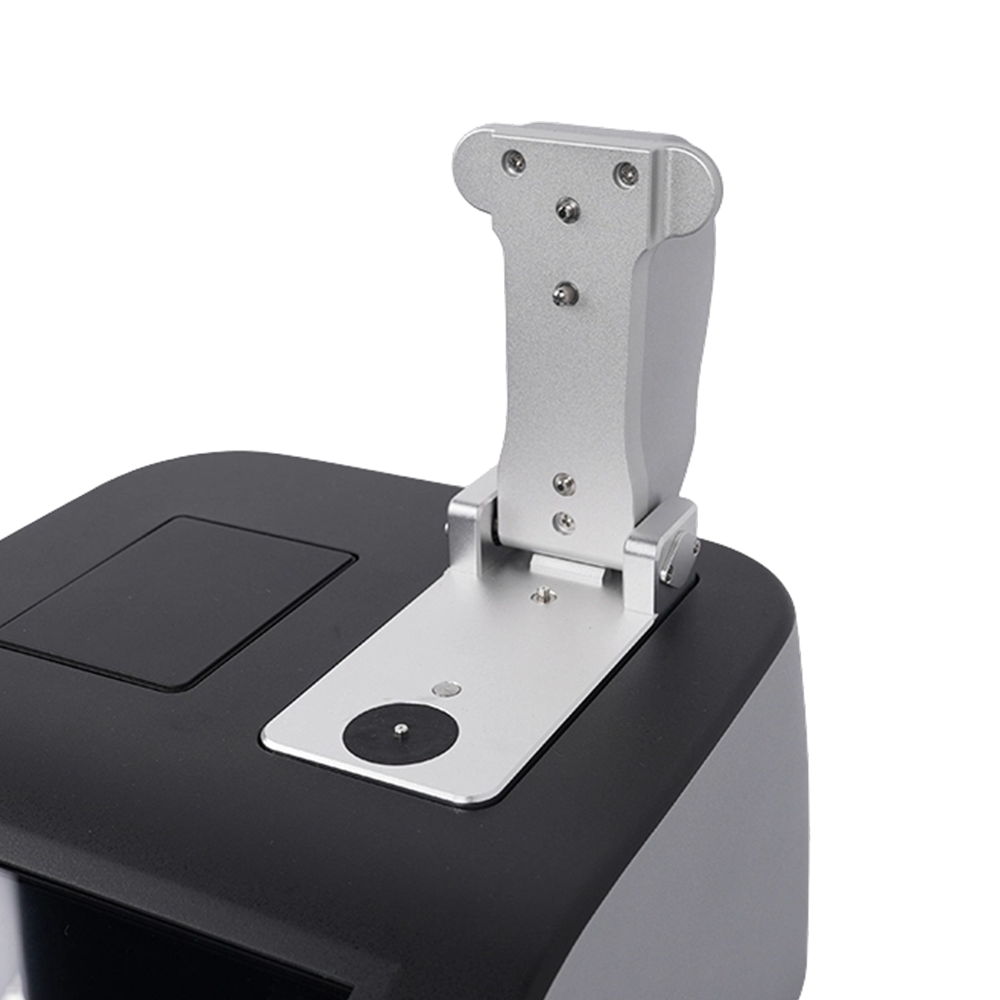 QJ-Nano-800 Ultra-Micro Spectrophotometer with Sub-Nanometer ResolutionFor micro-volume nucleic-acid and protein work, this spectrophotometer offers <1 nm resolution, 0.5–2 μL samples and fluorescence detection without preheating.View Product →
For micro-volume work, confirm the lower sample volume limit in writing and test it with your own buffer, not with the water blank used in a demonstration.
Two instruments can carry identical optical specifications and still behave completely differently on a working bench. The difference sits in how the result leaves the instrument.
A unit with an LED display, built-in mass storage and wireless Bluetooth printing hands a technician a signed-off record within minutes. A unit that depends on a serial cable and a borrowed laptop creates an audit question every time a result is reported, and the cost of that delay rarely appears in the initial quotation.
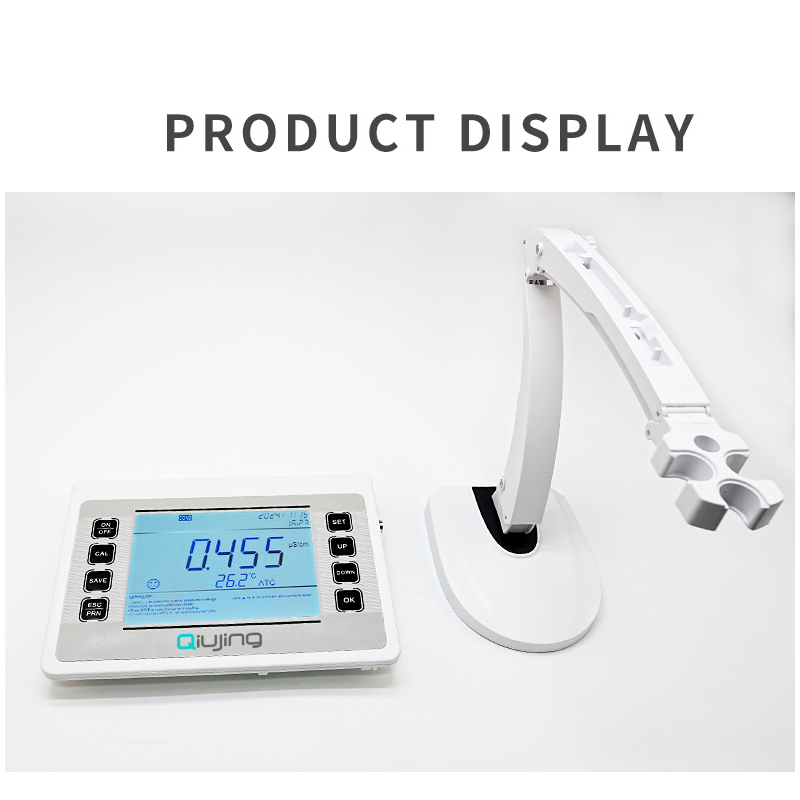 P902 Conductivity Meter with Bluetooth PrintingFor labs needing rapid signed-off conductivity records, the P902 offers a 6.5-inch LED display, built-in storage and Bluetooth printing across five ranges.View Product →
For laboratories running mixed workloads, the touch-screen interface is not a cosmetic upgrade. It shortens training time for rotating staff, which matters more than most procurement committees expect when a method has to be transferred between shifts.
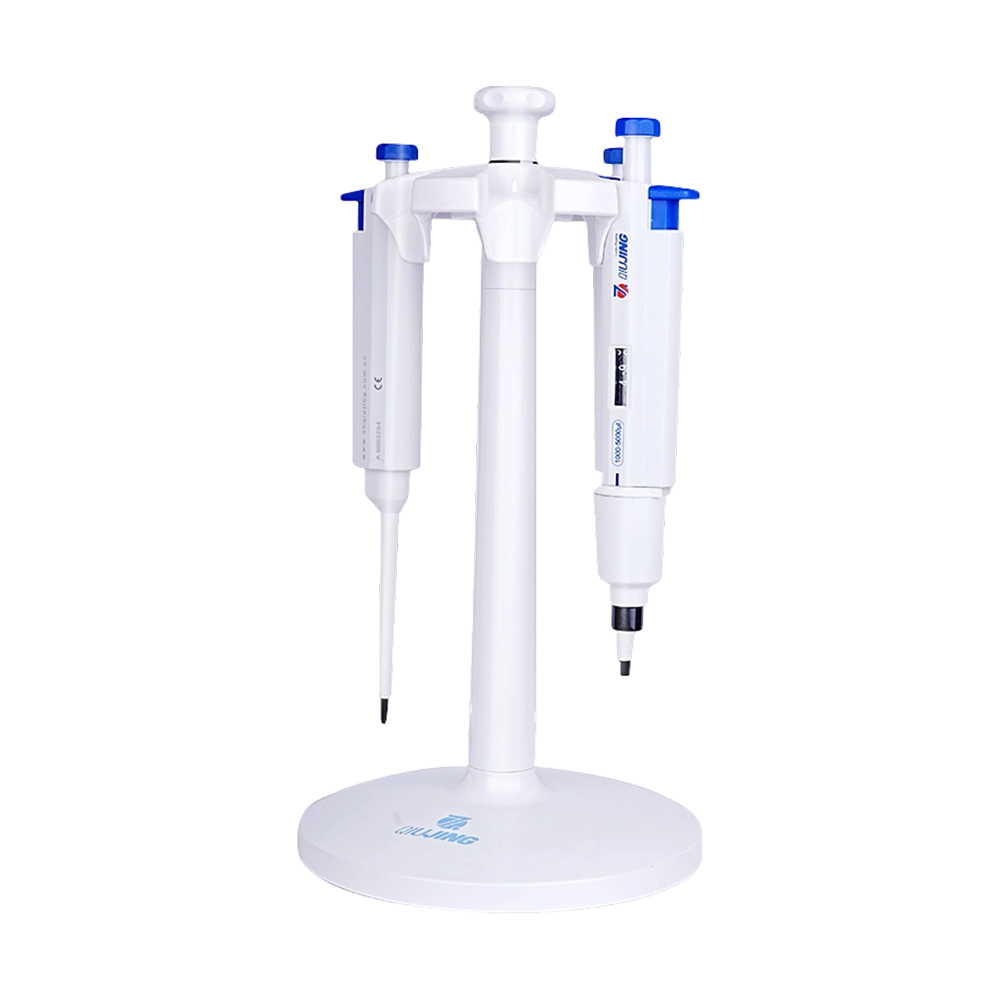
No analytical result stands alone. By the time a sample reaches the photometer, three or four upstream steps have already shaped the number that comes out. A spectrophotometer reading that drifts is often a pipetting problem, and a pH reading that wanders is often a temperature problem.
A typical sequence looks like this:
Procurement works better when those five steps are planned together rather than bought piece by piece. That is the logic behind application-based laboratory solutions that combine pipetting, instruments and consumables around a workflow instead of shipping a lone instrument and leaving the integration to the customer.
A manufacturer that holds CE marking and ISO 13485 certification has been audited on how it controls design, purchasing, production and final inspection. That is useful, but certificates only tell you the system exists. Ask for the documents that show it working:
Qiujing's quality management runs from incoming material through production to finished-goods testing, supported by technical patents built up across more than three decades of instrument manufacturing. For a wider view of how to structure the comparison, this laboratory instrument buyer guide walks through the same decision in more detail.
Fixed-wavelength models suit a laboratory running one or two established colorimetric methods, where the wavelength never changes. Choose variable-wavelength or UV-Vis models when methods are still being added, because changing a method later costs far more than the initial price difference.
IP54 protects against dust ingress and splashing water from any direction, which covers normal bench spills and cleaning. It does not cover immersion, so the electrode and its junction still need their own protection and a proper storage routine.
It indicates that the quality management system has been assessed against a standard written for medical devices, covering traceability, process control and corrective action. It is evidence of discipline in manufacturing, not a guarantee of analytical performance, so pair it with the unit's own verification record.
On models equipped with wireless Bluetooth printing and built-in mass storage, yes. Confirm the supported printer type during the demonstration, since this is the detail that most often decides whether a bench runs paperlessly or keeps a laptop permanently attached.



Copyright © Shanghai Qiujing Biochemical Reagent & Instrument Co., Ltd. All Rights Reserved. OEM/ODM Laboratory Equipment Manufacturer Laboratory Instruments Factory
