English
 русский
 Español
 عربى
2026/11/06
Industry News

Most research is dependent on the transfer of measured volumes of liquid or a sample. This transfer technique is often employed up to several times per hour. Laboratory dispensers provide a simple means of storing and dispensing liquid and other materials in the laboratory. Common lab dispensers include bottletop dispensers and burettes, which are available in a variety of types including analog, digital, rotating, reciprocating, and adjustable. A lab dispenser varies in available volume range from as small as 0.2 microliters up to 100 milliliters, depending on the model. A laboratory dispenser is user friendly and can be comfortably suited to most applications.
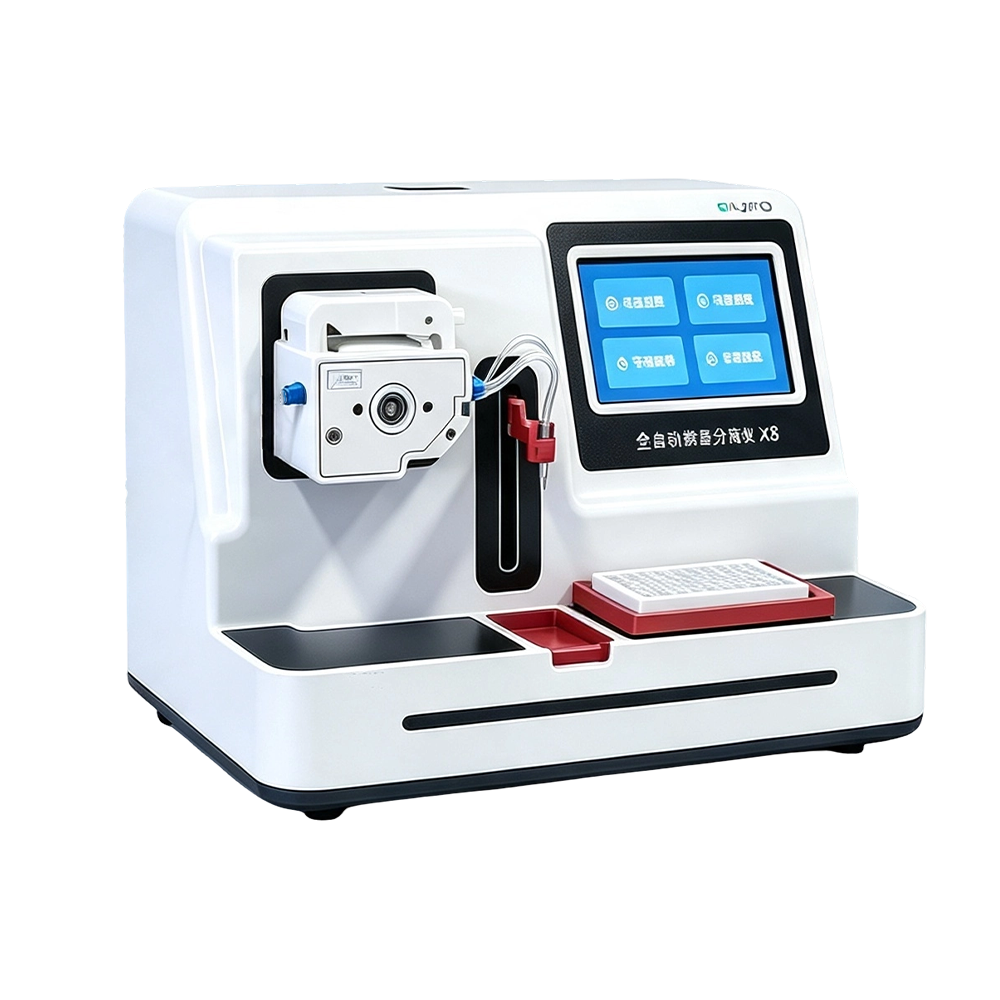
High efficiency and low noise safetyIt is widely a...
Check the Details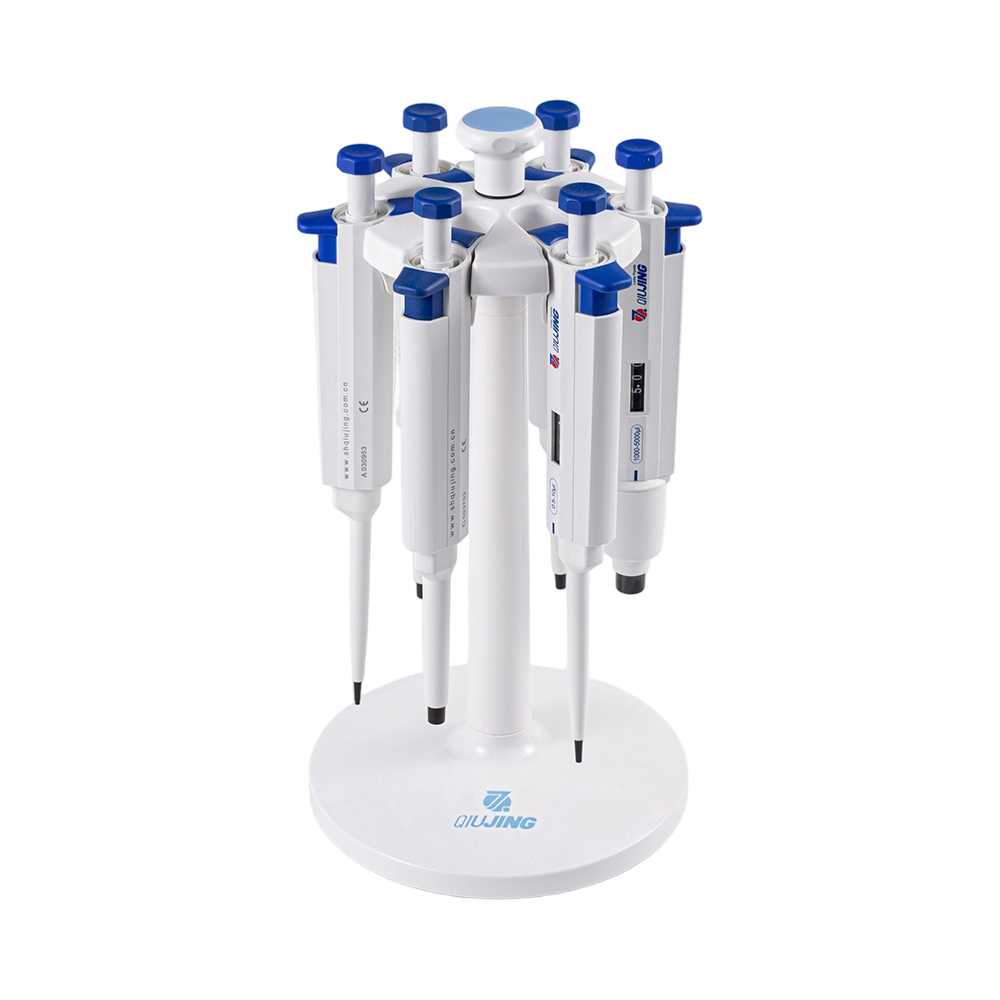
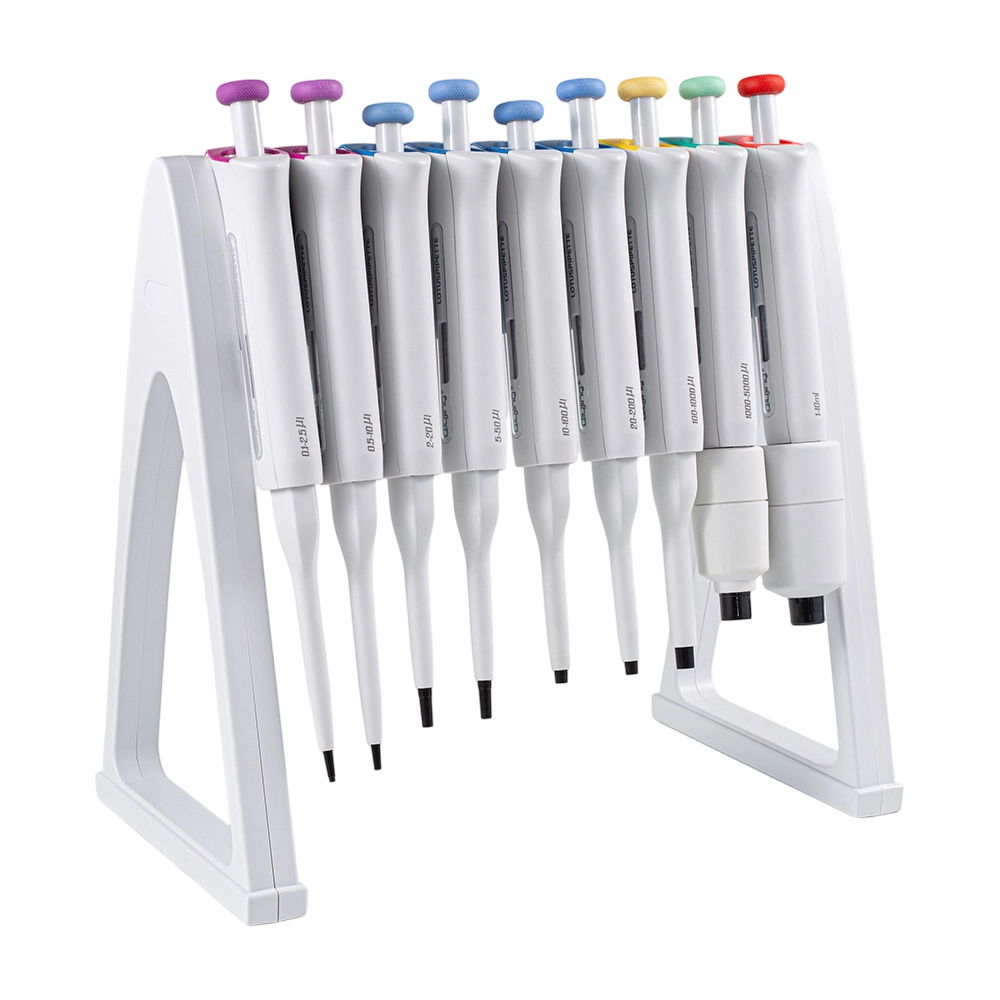
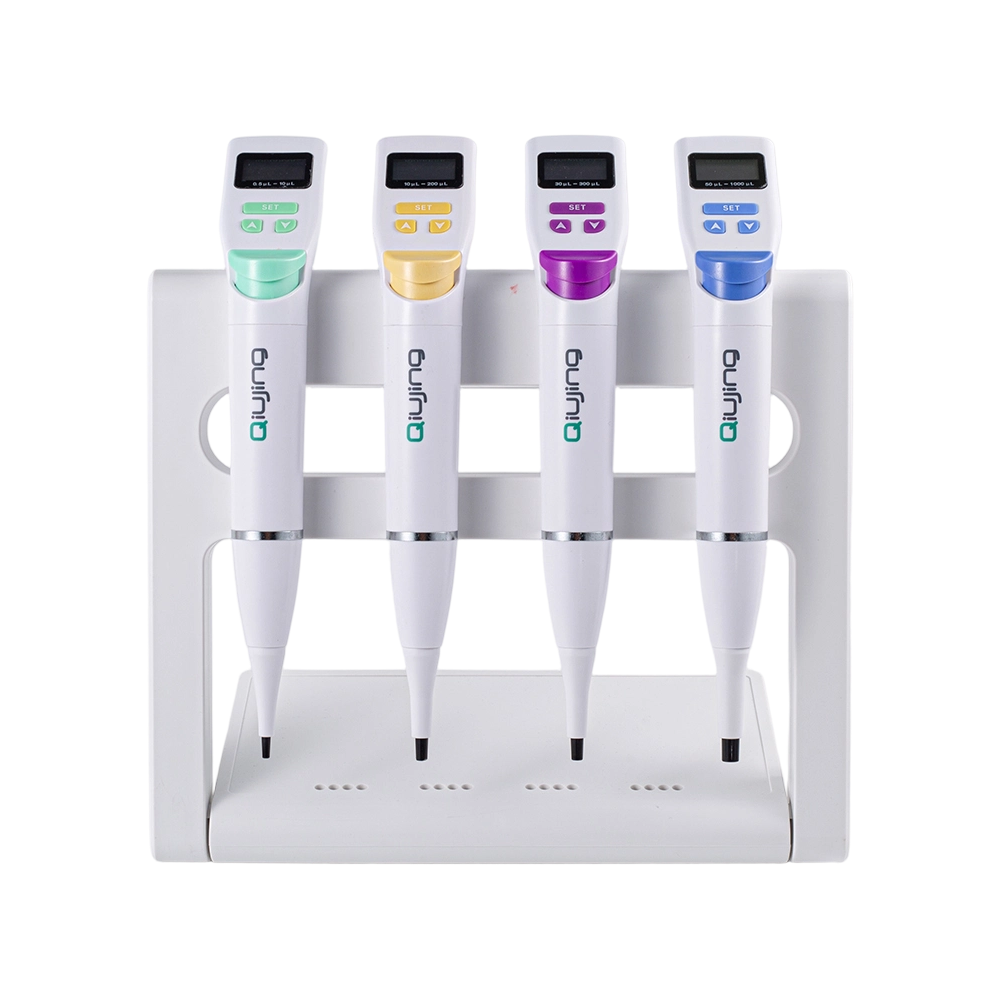
BELIEVE IN OUR STRENGTH




Founded In

Industry Experience

Factory Area
Core Products
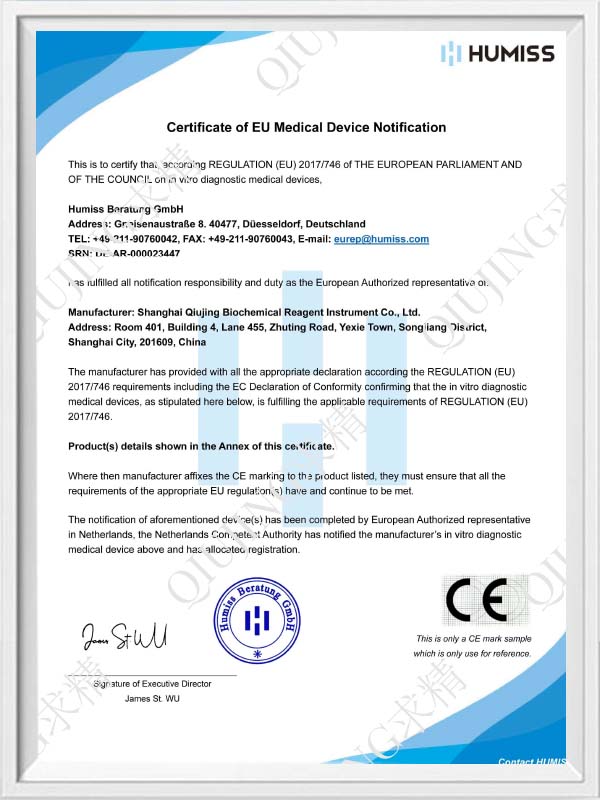
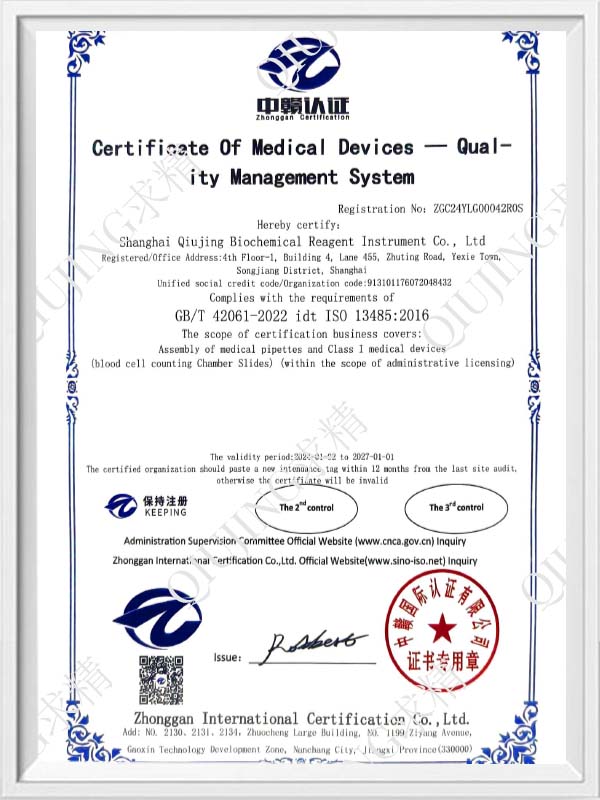
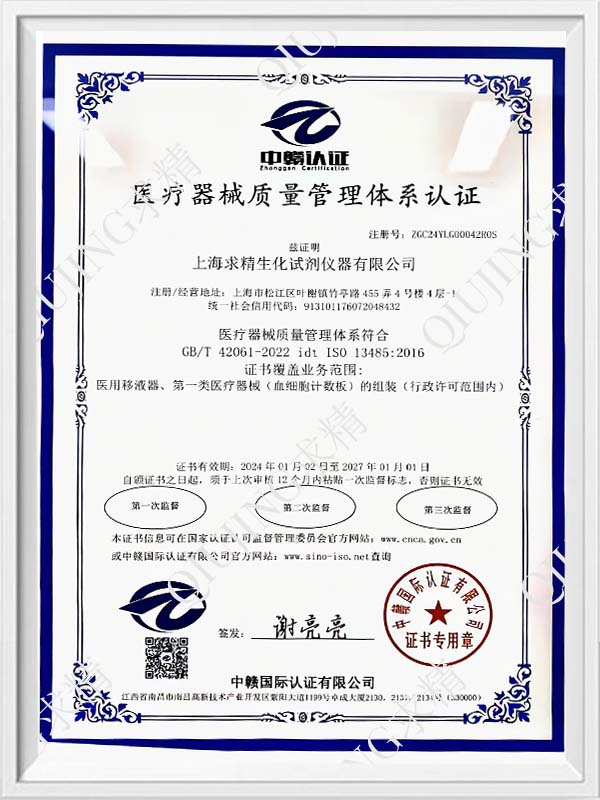
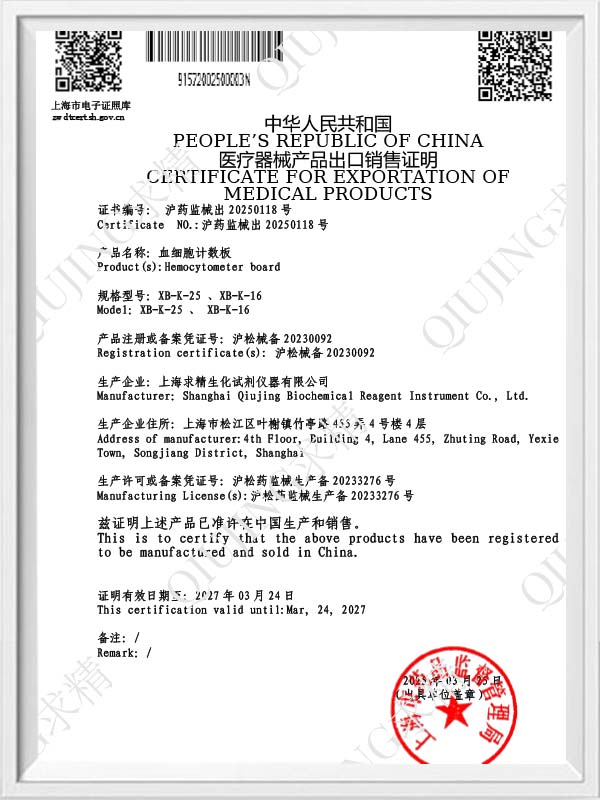
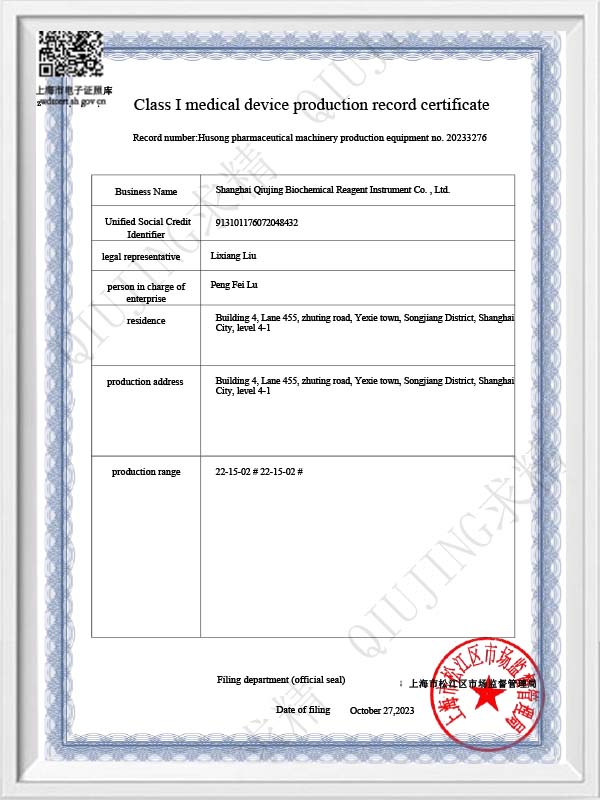
Shanghai Qiujing Biochemical Reagent & Instrument Co., Ltd. has researched, developed and manufactured precision liquid-handling instruments since our brand was established in 1988. In this category we build automatic micro liquid dispensers and the micropipettes, macropipettes and consumables that complete a working bench, under an ISO 13485 quality management system and CE certification. Our role as an Automatic Micro Liquid Dispenser manufacturer covers standard units, OEM/ODM variants and the technical documentation that travels with the shipment.
Automatic dispensing is the part of our liquid-handling family that delivers measured micro-volumes repeatedly from a stored supply instead of drawing each aliquot by hand. The model listed in this category is the Qiujing X8 automatic micro liquid dispenser, engineered around high efficiency, low operating noise and safe handling for routine bench work.
Each unit is treated as a complete liquid path rather than a single instrument, so the configuration decision covers the reservoir, the delivery head, the nozzle and the consumables that touch the reagent.
Dispensers take over the bench tasks that repeat the same volume dozens or hundreds of times: filling microplate wells, adding buffer or media to sample tubes, preparing serial dilutions, distributing standards and controls, and aliquoting reagent before analysis. Configurations in this family span working volumes from roughly 0.2 µL up to 100 mL depending on the model, nozzle and reservoir, so one platform concept can serve a molecular biology bench and a millilitre-scale reagent station.
The applications we configure for most often are drawn from the sectors our instruments already serve:
The dispenser does not stand alone in a laboratory. Our pipetting range and supporting instruments cover the transfers before and after the dispensing step, so a bench can be equipped from one supplier with matched consumables.
| Product line | Primary function | Working range context | Where it fits |
|---|---|---|---|
| Qiujing X8 automatic micro liquid dispenser | Repeated dispensing from a reservoir | Micro-volume to millilitre working points, set by model, nozzle and reservoir | Reagent aliquoting, microplate filling, serial distribution, batch QC preparation |
| Micropipette (Lucky and Lotus series) | Single-channel manual transfer | Microlitre-class ranges | Assay setup, PCR, sample transfer, teaching laboratories |
| Macropipette | Larger single-volume transfer | Millilitre-class ranges | Media, buffers and solvents into tubes and flasks |
| Pipette tips and laboratory consumables | Liquid contact interface for pipettes and dispensers | Matched to the nozzle or pipette in use | Contamination control, low-retention work, racked or bagged supply |
| Mixers, centrifuges and bath instruments | Sample preparation around the dispensing step | Process dependent | Homogenising, mixing and clarifying samples before or after dispensing |
Where a project needs single transfers at microlitre scale alongside the dispenser, our micropipettes are specified with matching tips so the whole bench follows one consumable standard.
Configuration starts from the working point, not from a catalogue number. We fix the following variables with you and record them in the order specification.
The parameters below decide the unit we propose and the verification method applied before dispatch. Values are confirmed per model and per working point rather than assumed from a general data sheet.
| Parameter | Why it defines the configuration | What we need from your process |
|---|---|---|
| Working volume range | Sets nozzle, reservoir and delivery-head selection | Smallest and largest aliquot required |
| Accuracy at the working point | Determines the volume verification method used at acceptance | Target tolerance for the delivered volume |
| Repeatability across a series | More decisive than single-shot accuracy in long runs | Aliquots per run, per plate or per day |
| Liquid properties | Viscosity, surface tension, foaming and particulates change delivery behaviour | Reagent type, working temperature, suspended solids |
| Chemical compatibility | Decides tubing, seal and head materials | Reagent list, concentrations and cleaning agents |
| Throughput | Balances dispensing speed against splash and foam | Required aliquots per hour and batch size |
| Noise level and environment | Shared and clean laboratories set their own limits | Bench location and adjacent work |
| Power and installation | Determines the electrical configuration supplied | Destination country, plug standard, available bench footprint |
| Cleaning and sterilisation | Defines which removable parts must tolerate autoclaving | Autoclave cycles and disinfection routine |
Each dispenser is a bench instrument: it needs a level surface, a stable power point of the correct standard, and clearance for the reservoir and tubing run. Where the dispenser feeds a wider workflow, we confirm the interface before the order is released so that triggering, cycle time and mounting match the surrounding equipment.
Wetted components are selected for the reagent and for the cleaning routine that follows it. Removable parts intended for autoclaving are confirmed at configuration stage, and the cleaning procedure is documented so that accuracy is restored after every reagent change rather than degrading quietly.
Production runs under full-process control: raw material inspection, in-process testing and finished-product inspection are applied before an instrument is released. The company holds CE certification and an ISO 13485 quality management system, with medical device notification, export sales and Class I production record certificates maintained for the applicable product lines.
Acceptance follows a defined path for instrument projects:
A precise proposal needs the working point and the environment around it. The list below is what our technical team reviews before confirming a configuration and quotation.
We manufacture the automatic micro liquid dispenser line, currently led by the Qiujing X8 model, together with micropipettes, macropipettes and the consumables used with them. Production, assembly and testing take place in our own facility in Shanghai, and the range is supplied under CE certification and an ISO 13485 quality management system with OEM/ODM options.
Yes. We review the volume range, liquid properties, chemical compatibility and throughput target, then confirm the delivery head, nozzle, tubing, wetted materials and control type. If the reagent is unusual, sample testing is arranged before the configuration is frozen.
We provide OEM/ODM services including product design adjustments based on drawings or samples, specification changes, appearance and colour customization, branded manuals and packaging for your market. Customization scope is agreed in writing before production begins.
Raw materials are inspected on receipt, units are checked during assembly, and finished instruments pass functional and volume verification at the agreed working point. Sample confirmation is available before bulk production so that the delivered configuration matches the tested one.
Standard lead time for confirmed specifications is 10 working days, with the final schedule stated in the order confirmation. Shipments include the instrument, the configured accessories, matched consumables where specified, and the documentation pack.
Our technical team provides product consultation, operation guidance and troubleshooting, and supplies replacement nozzles, seals, tubing and tips as wear parts. Spare-part lists are agreed with the order so that long-running benches stay in service without interruption.