English
 русский
 Español
 عربى
2026/11/06
Industry News

Metal bath modules are essential tools in laboratories requiring stable and precise temperature control. They replace traditional water baths by using metal blocks with drilled wells to hold tubes or microplates, eliminating evaporation risks and improving reproducibility. Commonly integrated with PID controllers, these modules achieve temperature uniformity within ±0.1°C, making them ideal for PCR, enzyme assays, and clinical diagnostics.
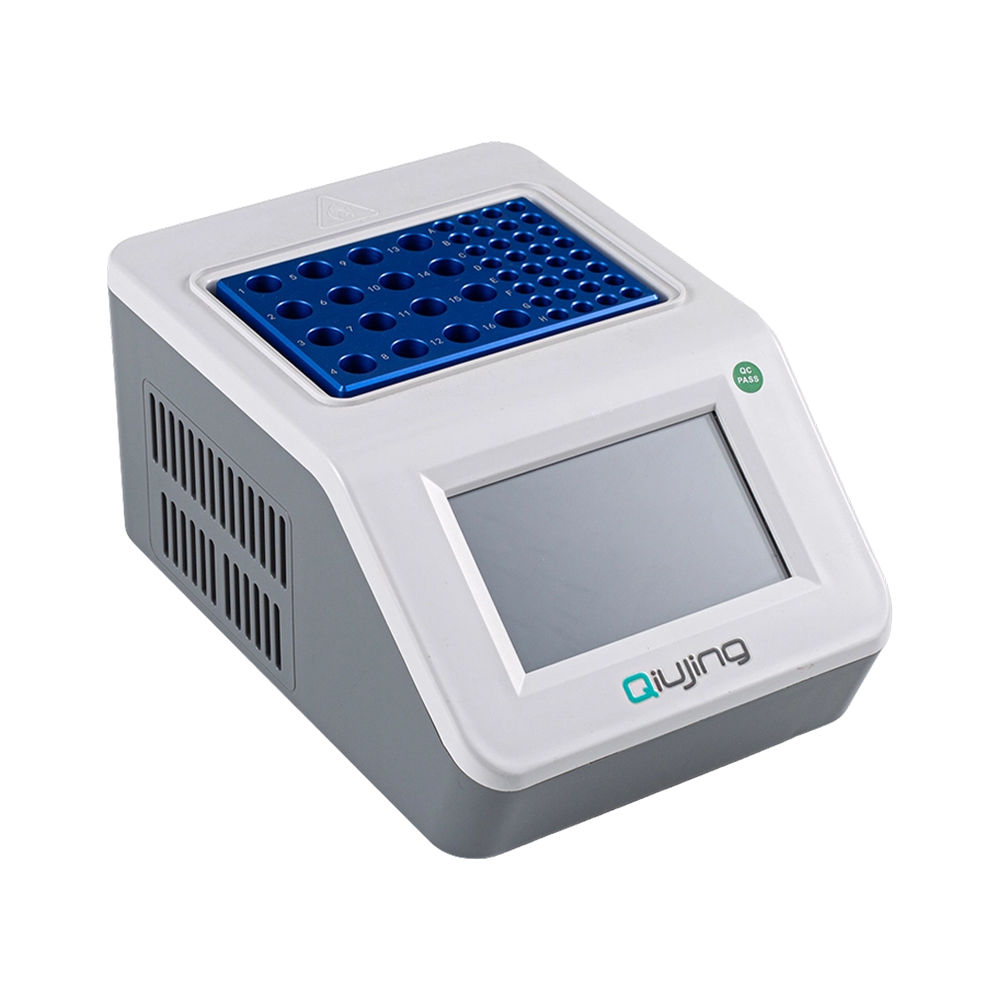
The entire machine operates at a safe voltage of D...
Check the Details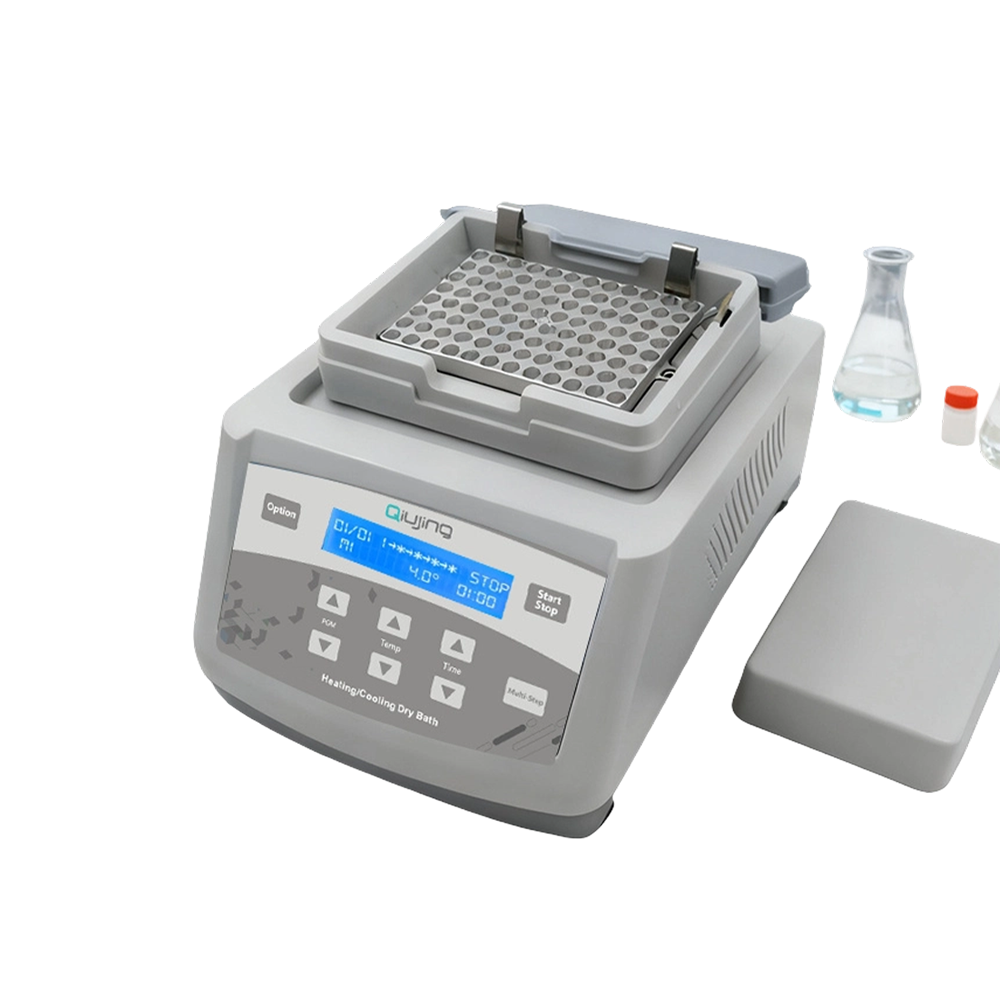
It is an economical dry thermoSTAT controlled by a...
Check the Details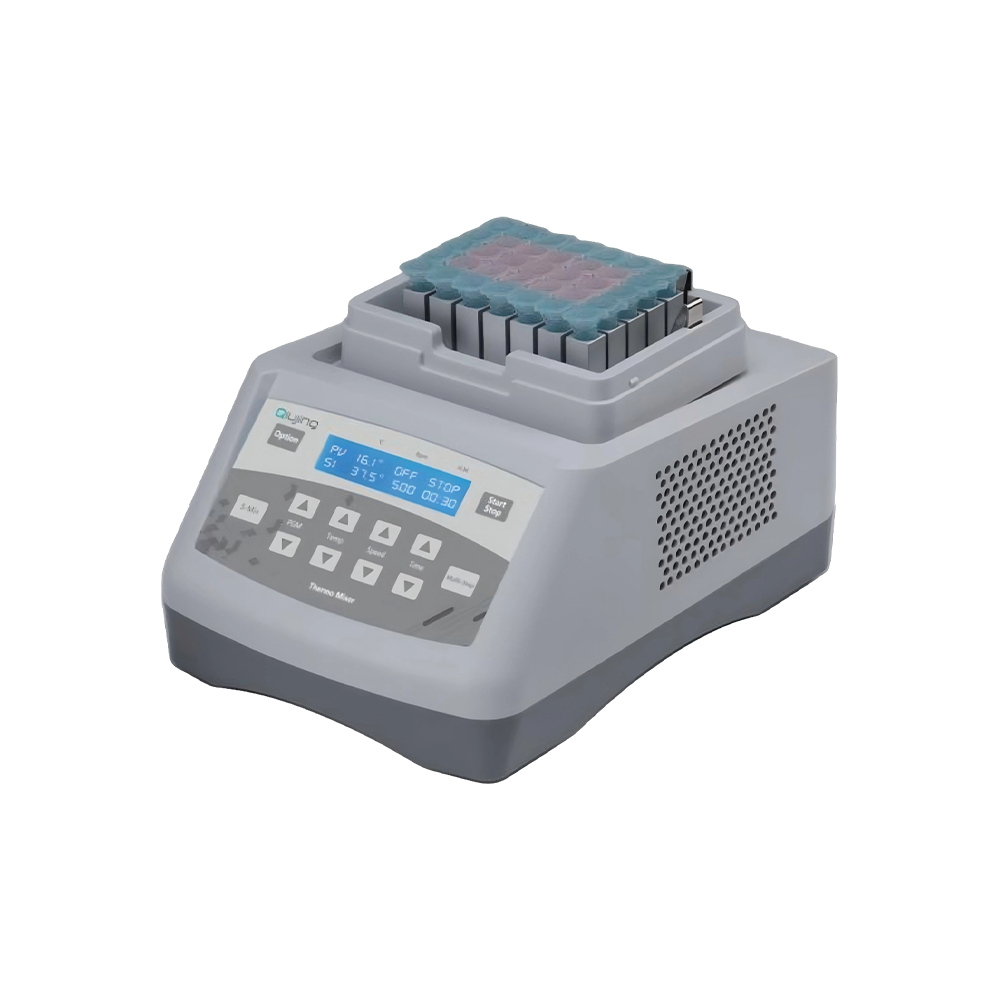
Constant temperature mixer is a multi-purpose cons...
Check the Details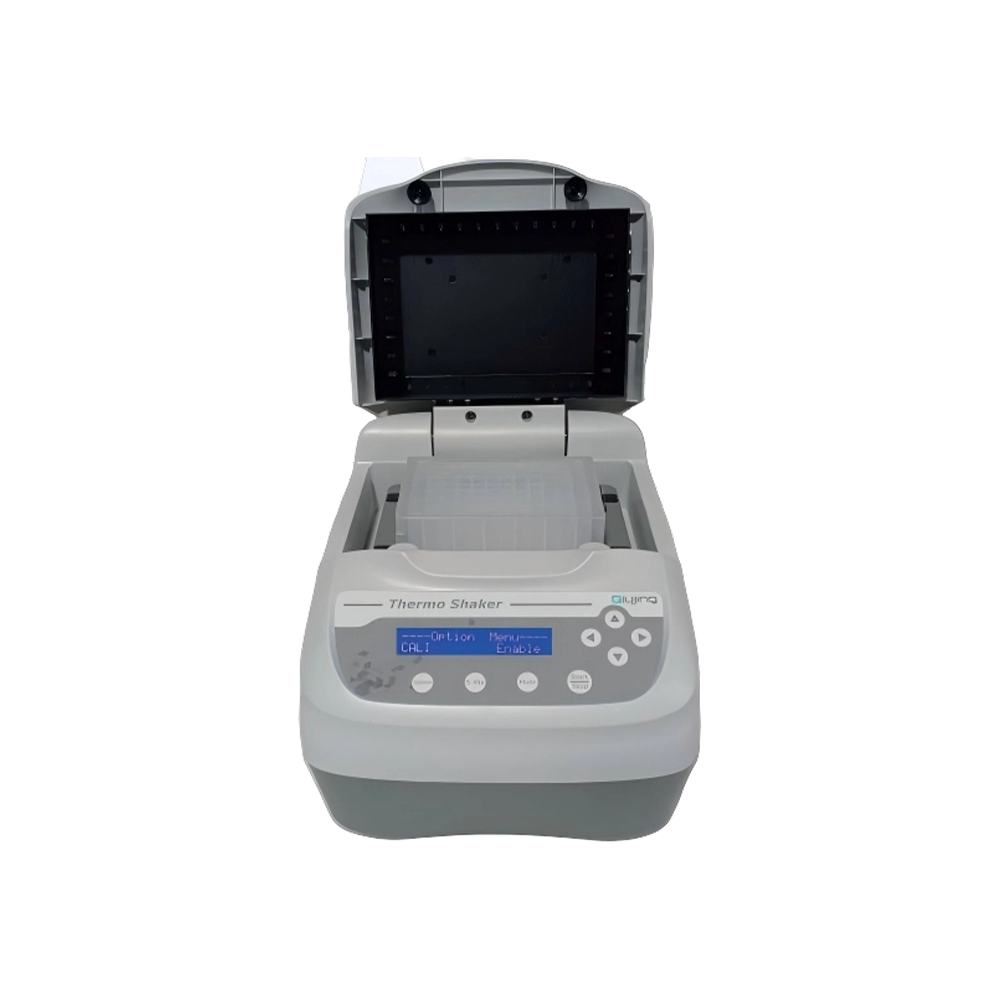
The hot cap constant temperature mixer is a multi-...
Check the Details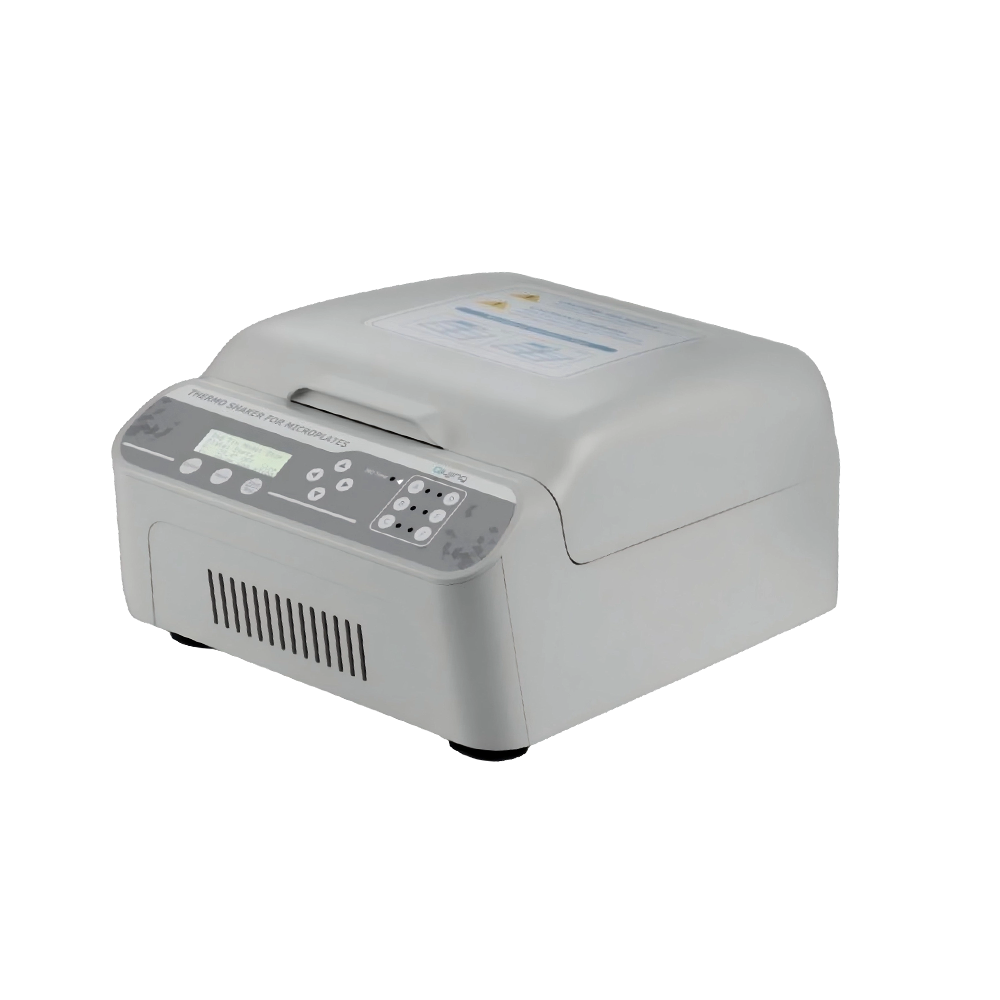
Microporous plate constant temperature oscillator ...
Check the Details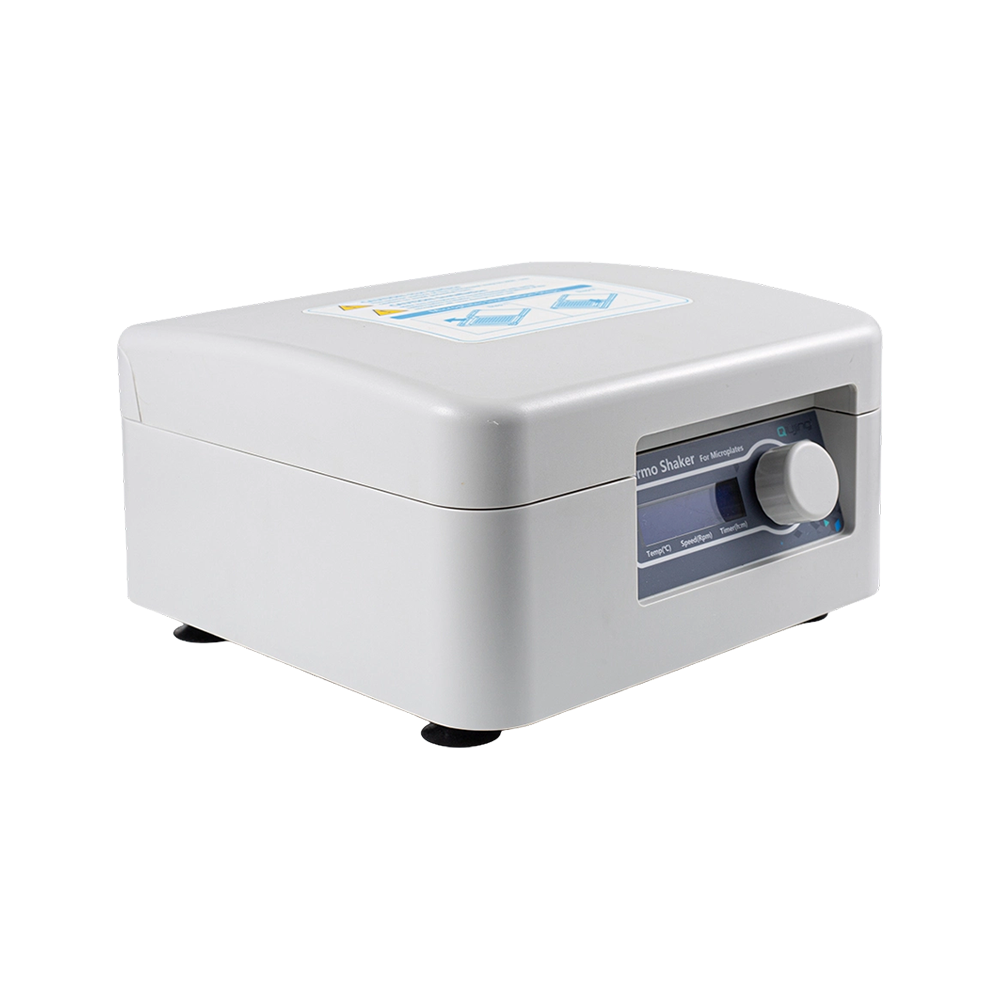
Based on the microprocessing technology and PID co...
Check the Details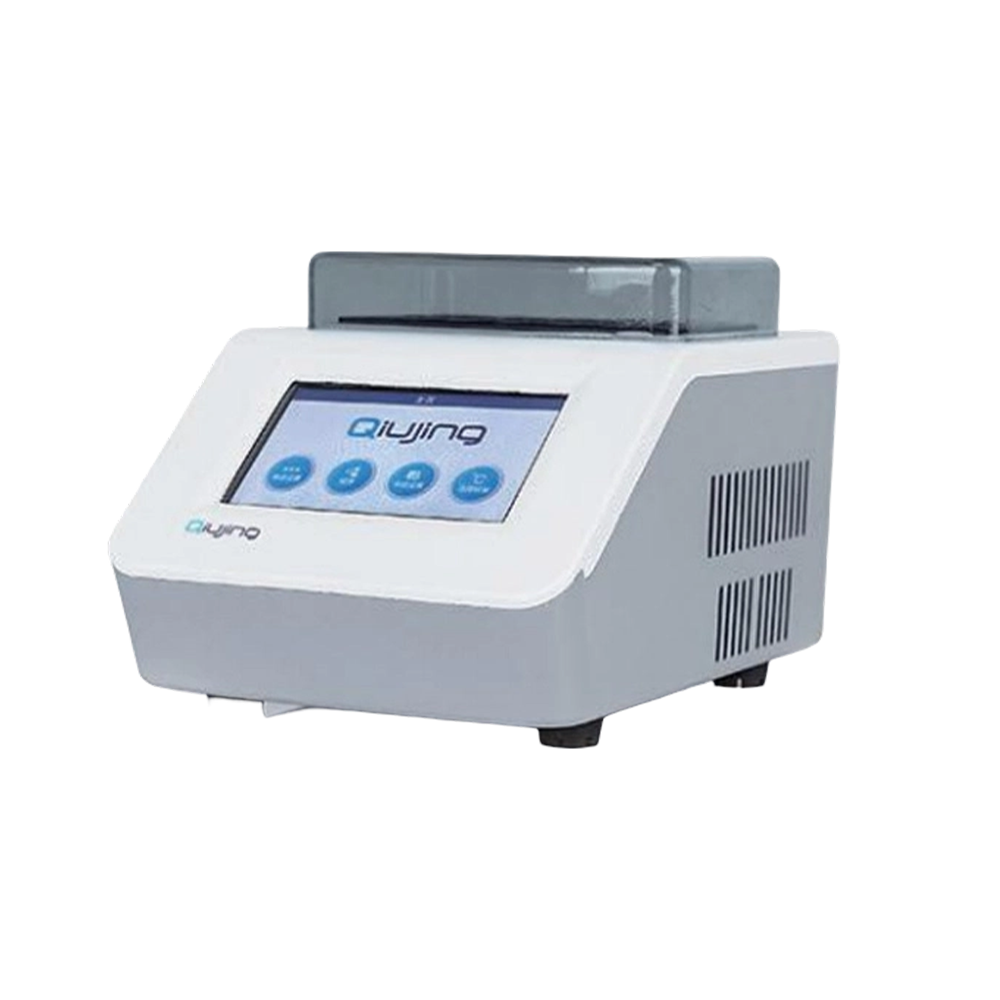
The heating/cooling metal bath with cover is a sam...
Check the Details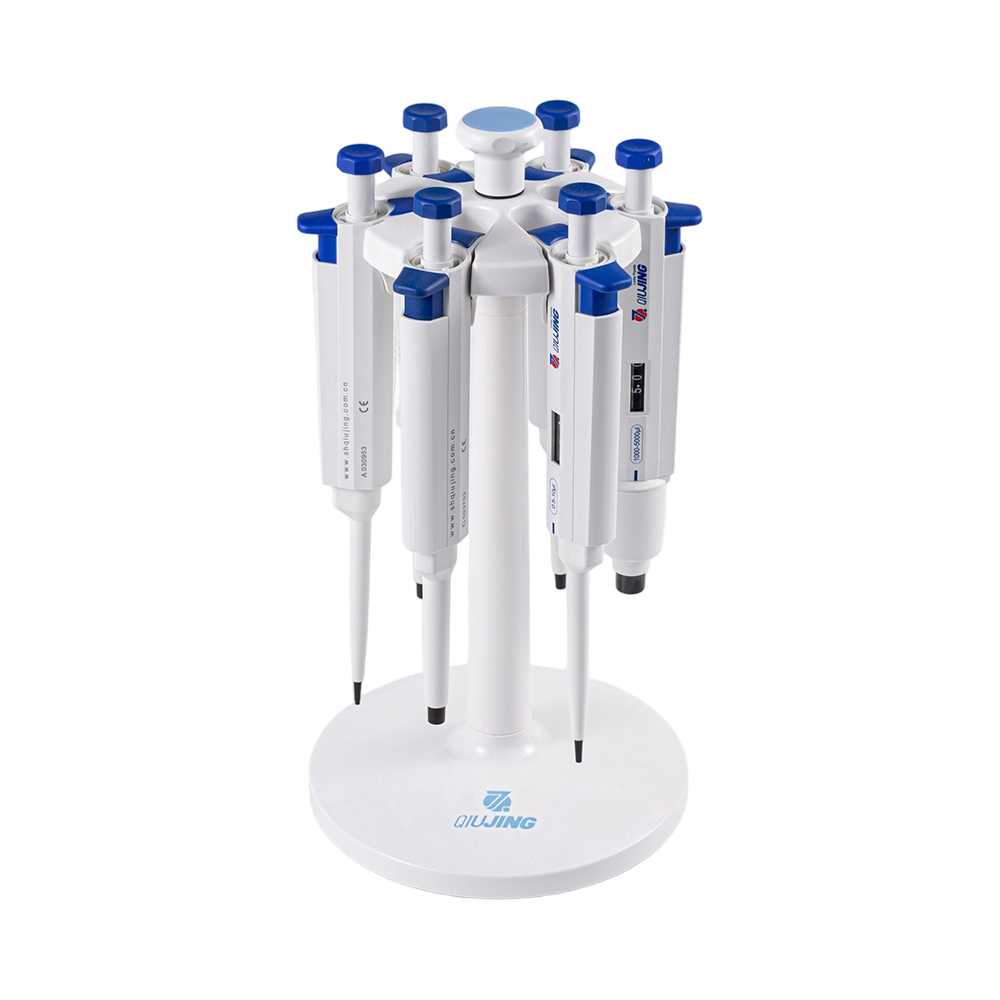
BELIEVE IN OUR STRENGTH




Founded In

Industry Experience

Factory Area
Core Products
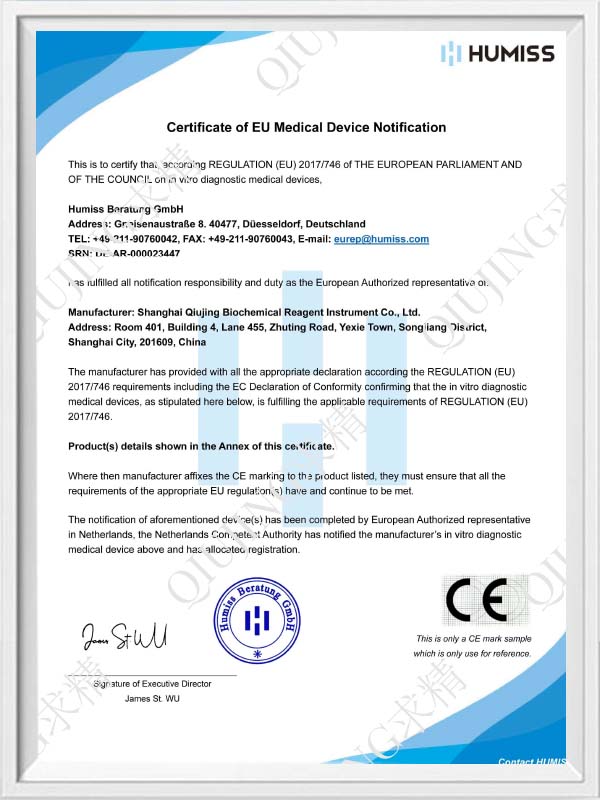
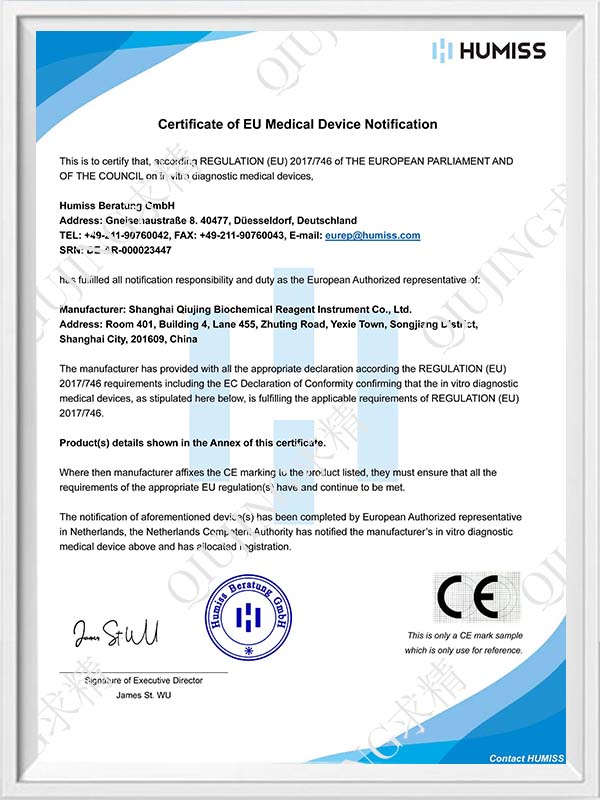
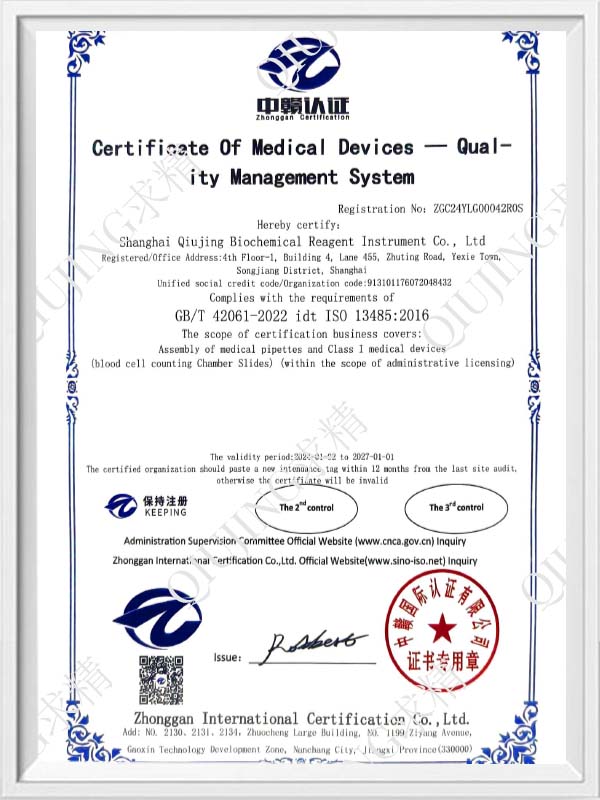
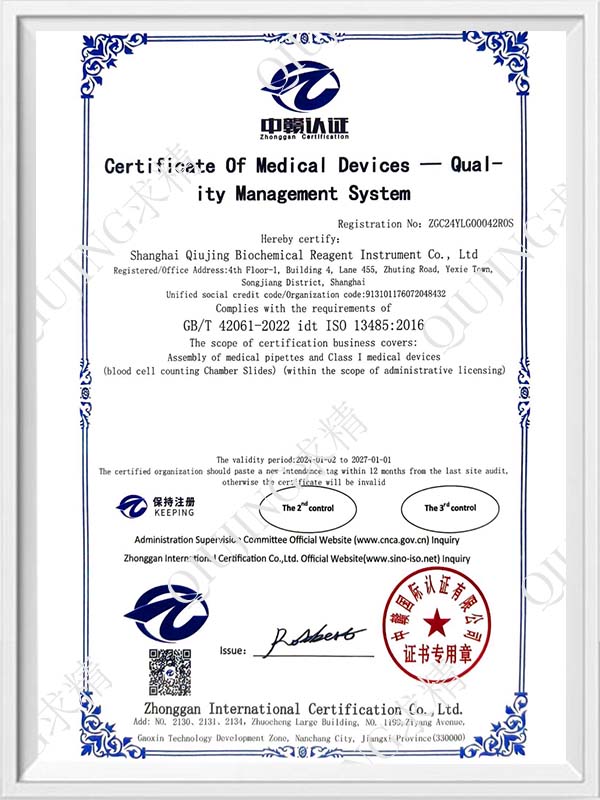
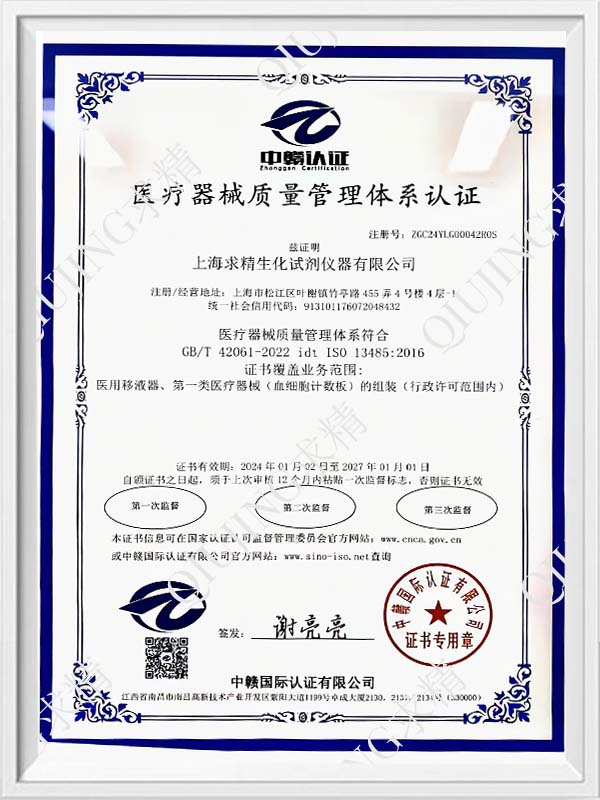
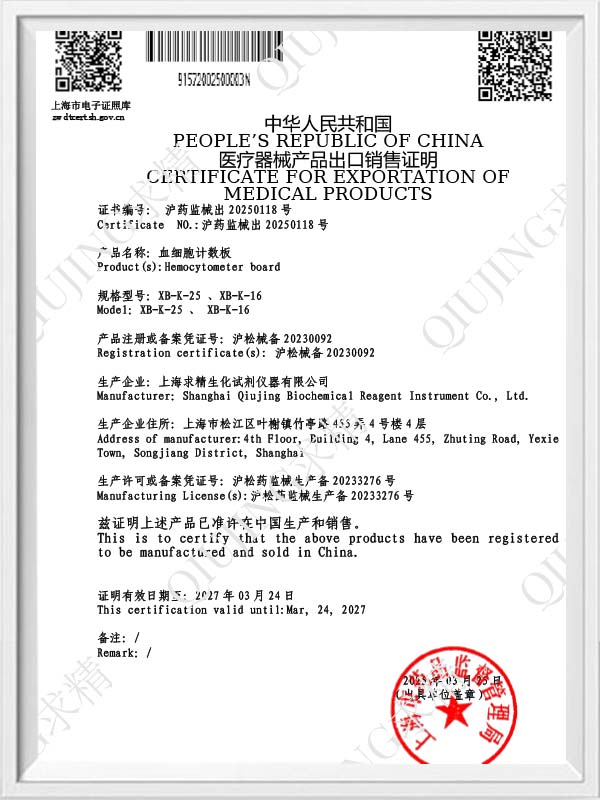
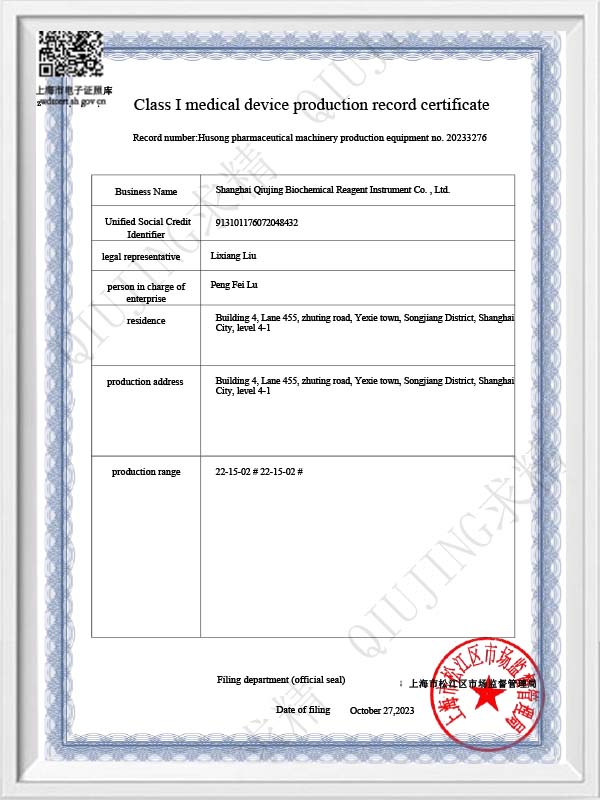
Shanghai Qiujing Biochemical Reagent & Instrument Co., Ltd. manufactures the Qiujing Pure Series of metal bath and dry block instruments for laboratories that need stable temperature control without water. The range covers a dry bath unit, an actively cooled metal bath plate, heating and cooling temperature-controlled mixers, a covered heatable mixer, and microplate thermostatic oscillators in single-plate and six-module formats. Our brand was established in 1988 and the company has developed and produced laboratory instruments in Shanghai since then, with CE and ISO 13485 certification behind the product lines and a full-process quality system covering incoming material, in-process and finished-product inspection.
A metal bath module replaces water as the heat transfer medium with a machined block that holds tubes or microplates directly. That removes evaporation, spillage and refill routines from the bench and makes setpoint behaviour the main engineering question rather than water quality. As a Laboratory Metal bath Series manufacturer we build the range around that working principle: solid block contact, PID control, and a format that matches the vessel you actually load.
Seven instruments make up the current series. Each one answers a different bench task, from simple tube incubation to temperature-controlled mixing and plate-based batch work.
| Model | Configuration | Function in the workflow | Typical application fit |
|---|---|---|---|
| H-100 Dry Bath Unit | Single dry block, low-voltage operation | Dry heating of tubes in a machined block | Enzyme assays, denaturation steps, reagent pre-heating |
| L-100 Metal Bath Cooling Plate | Dry thermostat with active cooling | Sub-ambient holding and controlled cool-down | Reaction stopping, cold incubation, sample holding |
| MIX-100 / MIX-100L | Constant-temperature heating/cooling mixer | Heating or cooling combined with mixing | Enzymatic digestion, resuspension, homogeneous incubation |
| MIX-100C | Heatable mixer with cover and heated lid | Mixing under condensation control | Long incubations, small-volume reactions |
| MP-H | Microplate thermostatic oscillator, PID and microprocessor control | Plate incubation with simultaneous shaking | ELISA, microplate assays, plate-based diagnostics |
| MP-H6 | Microplate thermostatic oscillator, six modules | Parallel plate processing at higher throughput | Batch clinical testing, screening laboratories |
| CH-100 / CL-100 | Heating/cooling metal bath with cover | Covered block incubation with heating or cooling | Molecular biology, nucleic acid preparation, temperature profiling |
The series is used wherever a protocol needs a defined block temperature held for a defined time, with no water contact and no evaporation loss. PID control is the normal control approach on these instruments, and block uniformity within ±0.1 °C is a realistic target when the controller, block and loaded vessels are matched as one system. We confirm that figure against your actual tube or plate format rather than quoting it from a single specification line.
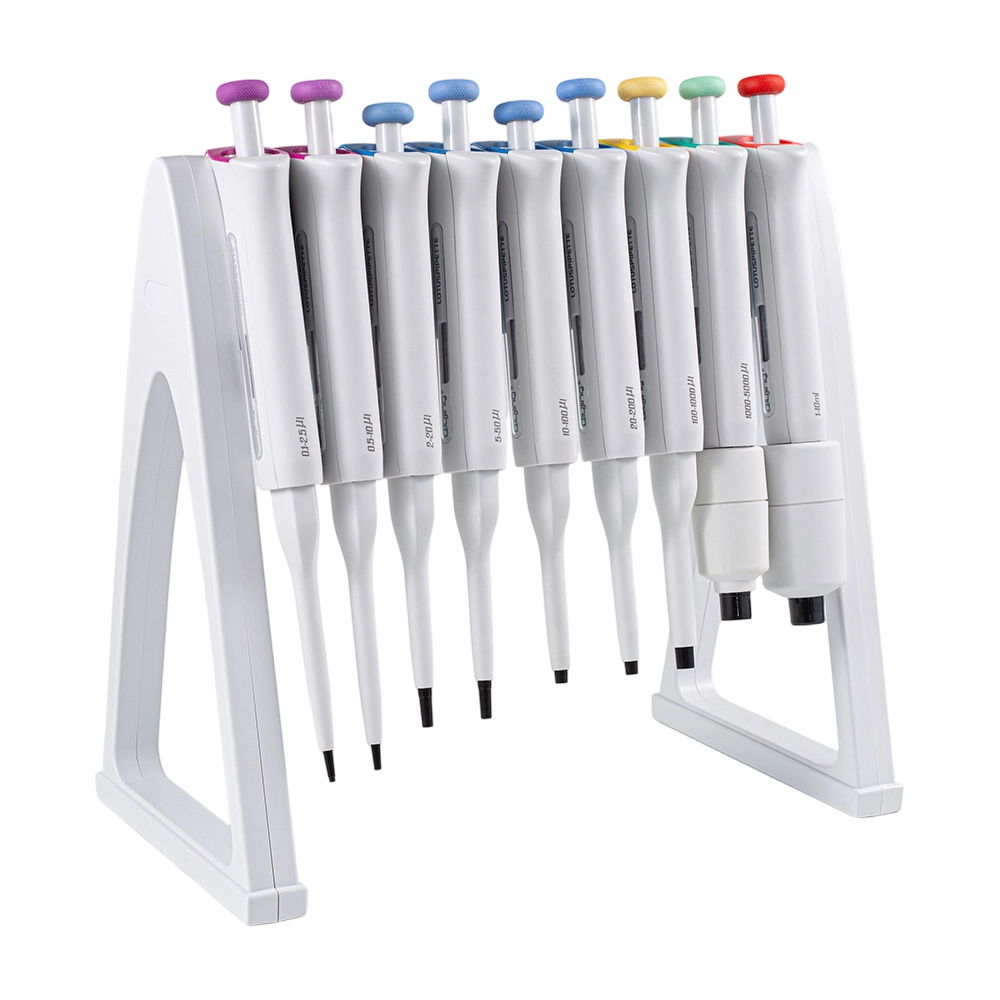
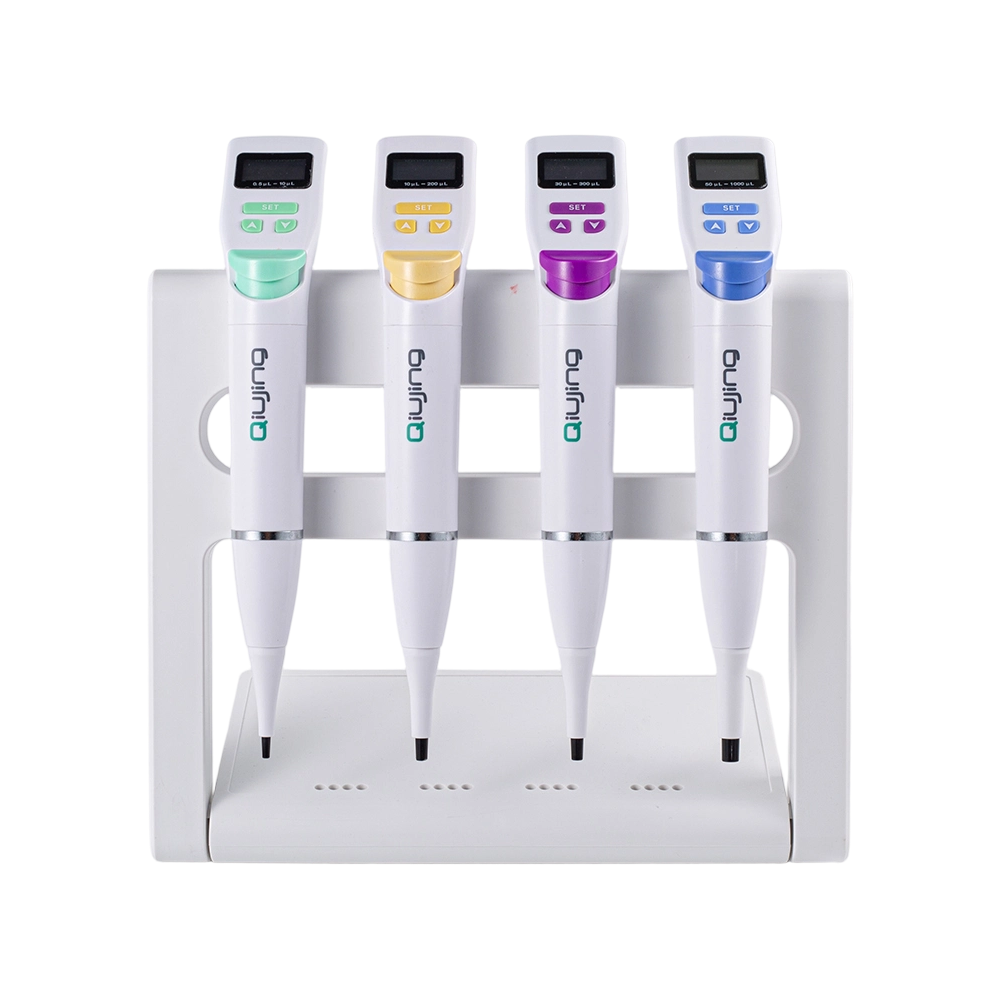
Where a protocol genuinely depends on a liquid medium — for example, evaporation-sensitive work in open vessels or methods validated on water — the Laboratory Water Baths Series remains the appropriate choice inside our instrument programme. Metal bath and water bath instruments are complementary, and liquid handling sits alongside both, which is why the Pipetting range and the metal bath series are frequently specified for the same bench.
Temperature performance is only one part of a usable metal bath. Block geometry, vessel fit and control behaviour determine whether a validated protocol transfers to a second bench, so we treat them as a single configuration task.
CH-100 and CL-100 combine a heated block with a cover to reduce condensation and temperature loss above the vessel. MIX-100C adds a heated lid to the mixing function, which matters for small volumes and for incubation steps that run long enough for condensed liquid to change the reaction concentration.
MIX-100 and MIX-100L are multi-purpose constant temperature mixers built for protocols that require heating or cooling and agitation at the same time. We confirm the speed range and working temperature against the vessel size and the fill volume, because both influence how uniformly the contents reach the block setpoint.
MP-H handles a single plate with microprocessor and PID control. MP-H6 extends the same function across six modules for laboratories running plates in batch. The choice is a throughput decision, and we size it against the number of plates per run and the incubation time rather than against bench space alone.
Every instrument in the series is a bench unit with its own controller, so installation is straightforward: a level surface, clearance for airflow on the cooling models, and a mains supply matching the configured voltage and frequency. We confirm the destination supply before production so that the delivered configuration meets the local power conditions without an external transformer.
Where an application needs to sit inside a larger workflow, the relevant interface questions are the temperature programme, the timing, and how the instrument is used alongside other bench equipment. We review those points during configuration rather than assuming a standard catalogue variant will fit a specific data or control requirement.
Our quality system is certified to ISO 13485 and our products carry CE certification, supported by an in-house test laboratory and a number of technical patents. Production runs through incoming raw-material inspection, in-process testing and finished-product inspection, so accuracy and stability are checked at each stage rather than at the end of the line.
We work as an OEM/ODM partner as well as a catalogue manufacturer. Custom block drilling for your tube or plate set, specification adjustment, branding and packaging are handled through the same engineering process used for the standard range. Customisation runs from requirement consultation and solution or sample confirmation through to precision manufacturing, global delivery and after-sales support, with a standard quoted lead time of 10 working days for catalogue configurations.
Serviceability is designed in: block replacement, controller settings and routine cleaning are bench-level tasks, and we support long-term operation with spare parts, operating guidance and troubleshooting for overseas partners.
A useful quotation for a metal bath project is built from the working point, the vessel and the production target — not from a model number alone. These are the inputs our engineers work through with you.
| Project input | What we need to know | What it determines |
|---|---|---|
| Vessel and block format | Tube type and size, or microplate standard | Block drilling, well depth, model selection |
| Working temperature | Setpoint window, holding time, cooling steps | Heating-only or heating/cooling configuration |
| Throughput | Vessels or plates per run, runs per day | Single-module or six-module instrument |
| Mixing requirement | Whether agitation is needed, fill volume | Mixer or oscillator model, speed range |
| Laboratory environment | Bench space, ambient temperature, supply voltage and frequency | Electrical configuration and installation planning |
| Compliance and documentation | Certificates, acceptance records, labelling and packaging needs | Documentation set and order scope |
| Commercial framework | Quantity, OEM or ODM scope, delivery destination | Pricing, sampling, production schedule and delivery |
Send those inputs and we respond with a configuration, a sample route where applicable and a delivery schedule. For a single reference point in the range, the Qiujing Pure Series Dry Bath Unit H-100 shows how the dry block format is realised, and the wider Laboratory Instruments programme covers the centrifuges, stirrers, balances, photometers and pH meters that accompany it on the bench.
A dry bath transfers heat through a machined metal block that holds tubes or plates directly, so there is no water to evaporate, spill or refill. A water bath uses a liquid medium and suits protocols validated on water. We manufacture both instrument families, and we recommend the format that matches the method rather than the bench habit.
Yes. Custom block geometry is part of our OEM/ODM scope. We work from the vessel drawing or a physical sample, confirm the well diameter and depth, and verify the fit before production. Samples can be provided for performance verification before a bulk order.
L-100 provides a cooled metal bath plate, MIX-100 and MIX-100L combine heating or cooling with mixing, and CH-100/CL-100 bring heating and cooling to a covered block format. The H-100 dry bath unit is a heating instrument for straightforward incubation work.
MP-H handles one plate with microprocessor and PID control. MP-H6 carries six modules for laboratories processing plates in batch. We size the choice against plates per run and incubation time, since a longer hold can shift the throughput calculation towards the six-module format.
Uniformity depends on the controller, the block material and mass, the vessel fit and the ambient conditions. PID control is used across the range, and uniformity within ±0.1 °C at the block is a realistic target when those elements are matched. We confirm the value for your tube or plate combination during configuration.
Our quality management system is certified to ISO 13485 and our products hold CE certification, backed by an in-house test laboratory and full-process inspection from raw material to finished product. Products are exported to international markets and supported with technical consultation, operating guidance, spare parts and troubleshooting for overseas partners.