 English
 русский
 Español
 عربى
2026/11/06
Industry News

pH meter, electric device used to measure hydrogen-ion activity (acidity or alkalinity) in solution. Fundamentally, a pH meter consists of a voltmeter attached to a pH-responsive electrode and a reference (unvarying) electrode. The pH-responsive electrode is usually glass, and the reference is usually a silver–silver chloride electrode, although a mercury–mercurous chloride (calomel) electrode is sometimes used. When the two electrodes are immersed in a solution, they act as a battery. The glass electrode develops an electric potential (charge) that is directly related to the hydrogen-ion activity in the solution (59.2 millivolts per pH unit at 25 °C [77 °F]), and the voltmeter measures the potential difference between the glass and reference electrodes.
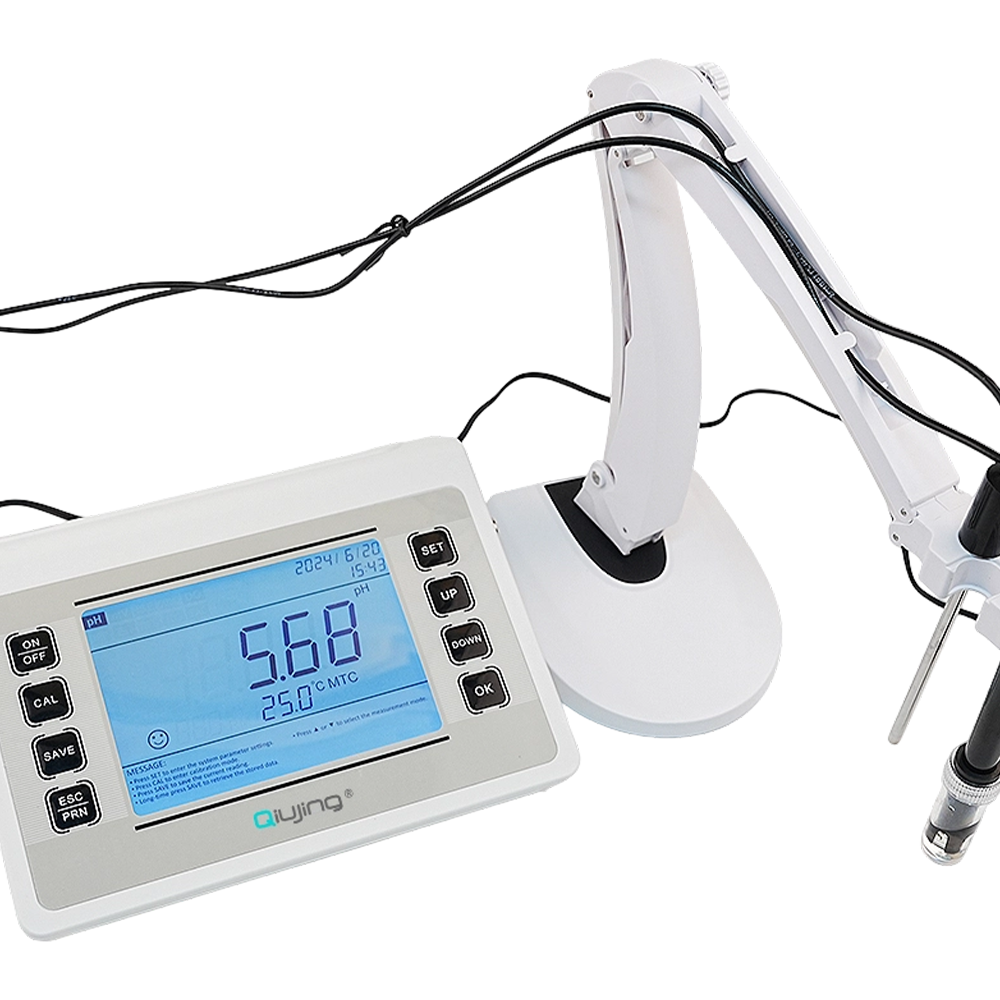
Instrument features: 1.6.5-inch LED screen, comple...
Check the Details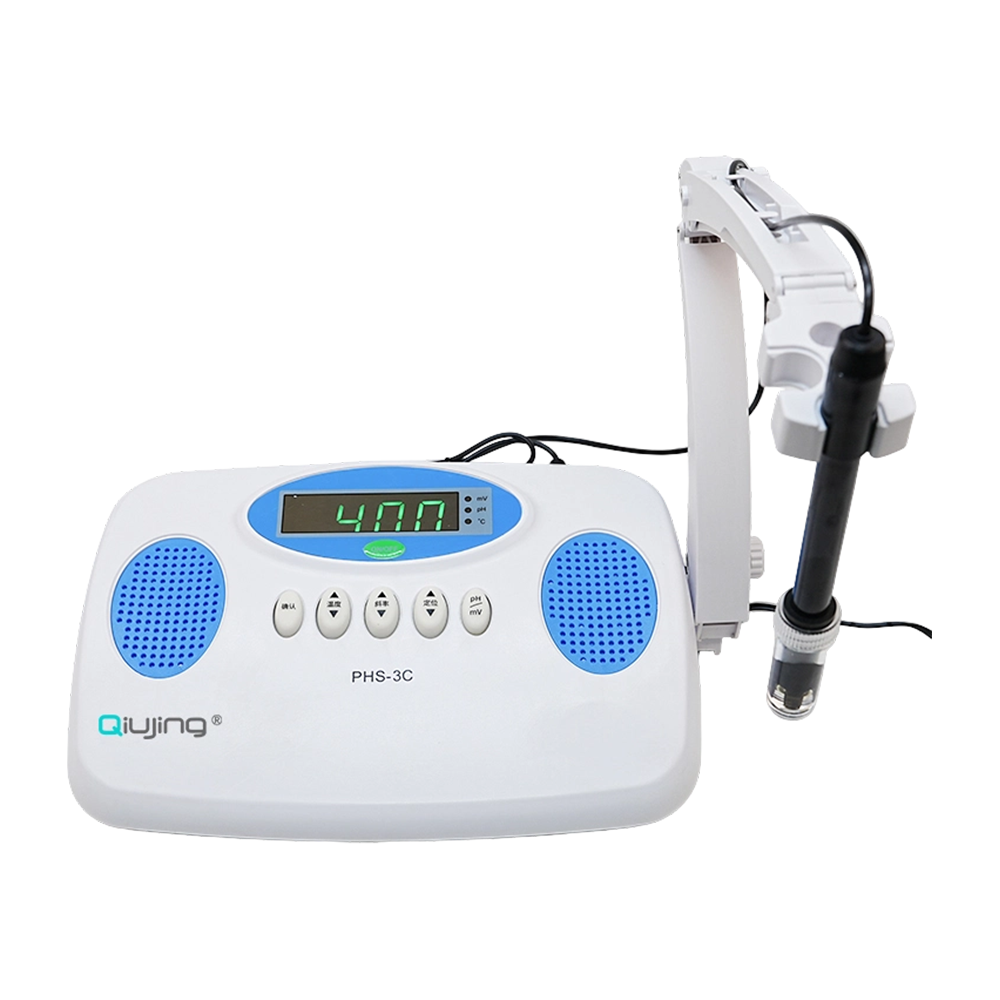
Dustproof and splashproof grade design, IP54 dustp...
Check the Details
BELIEVE IN OUR STRENGTH




Founded In

Industry Experience

Factory Area
Core Products
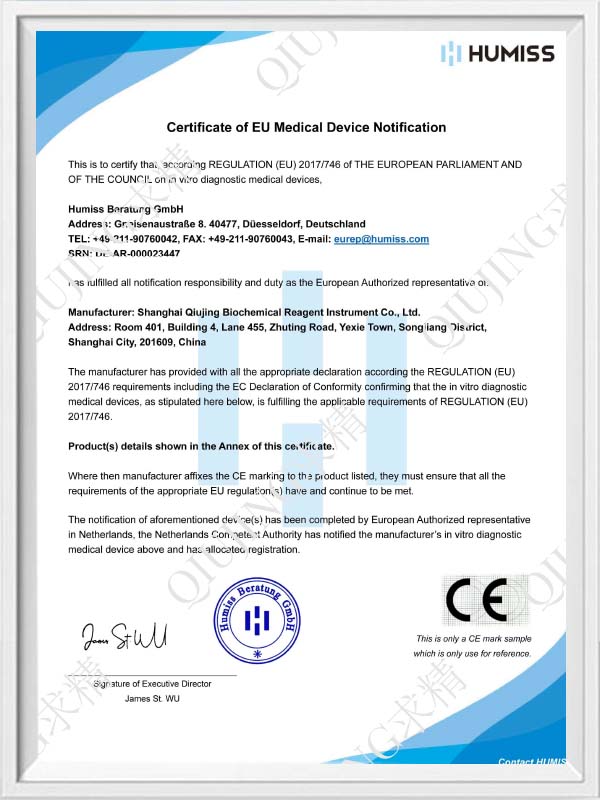
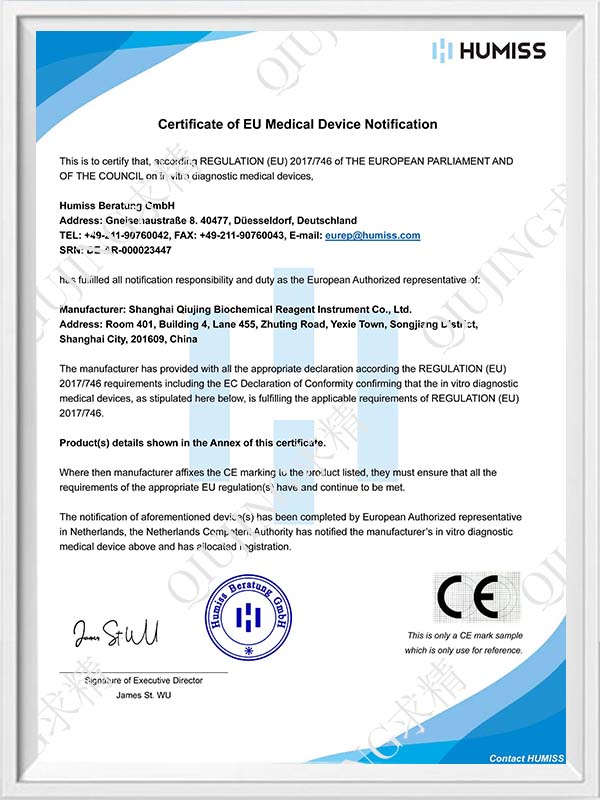
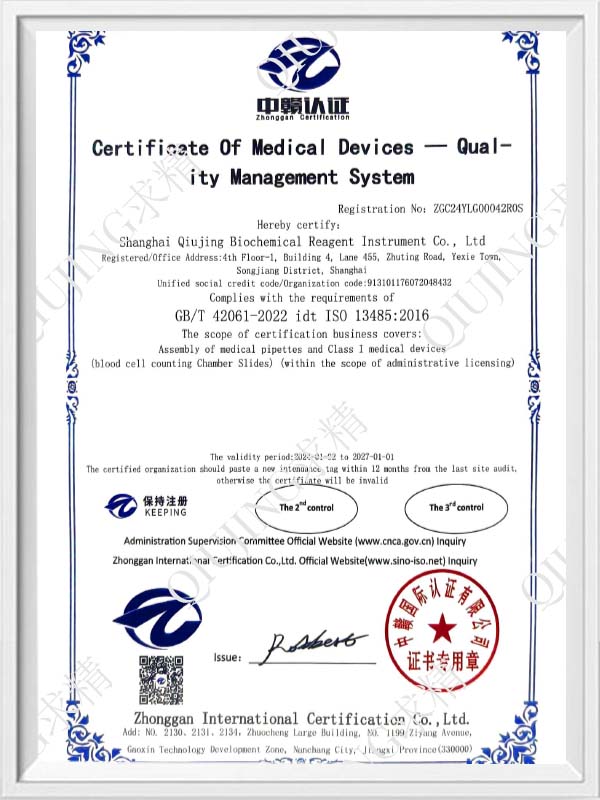
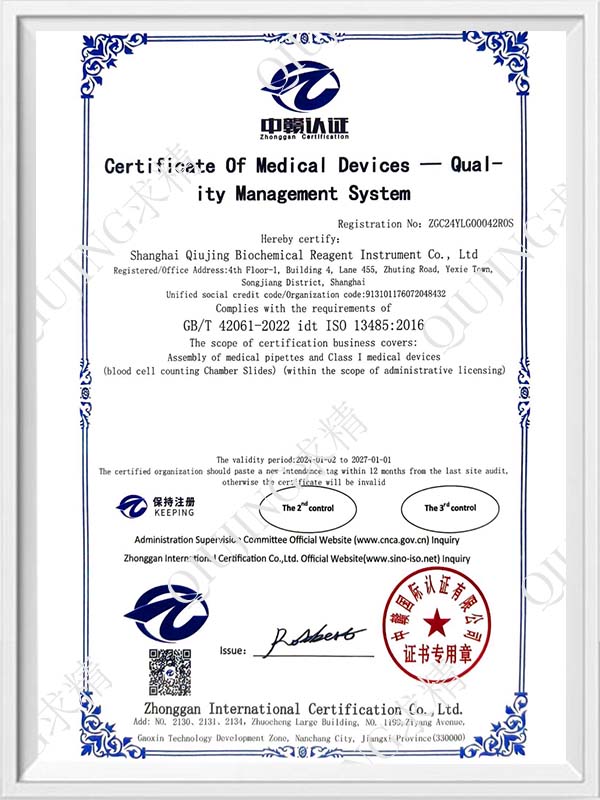
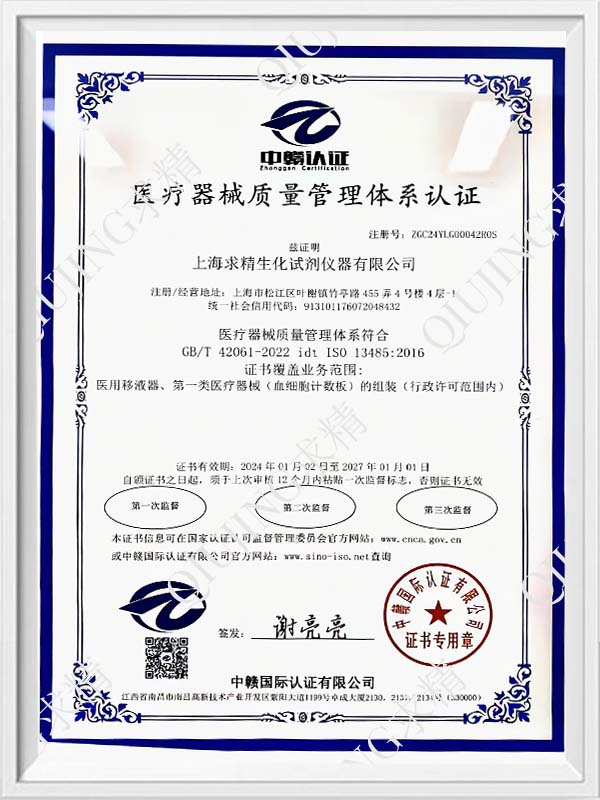
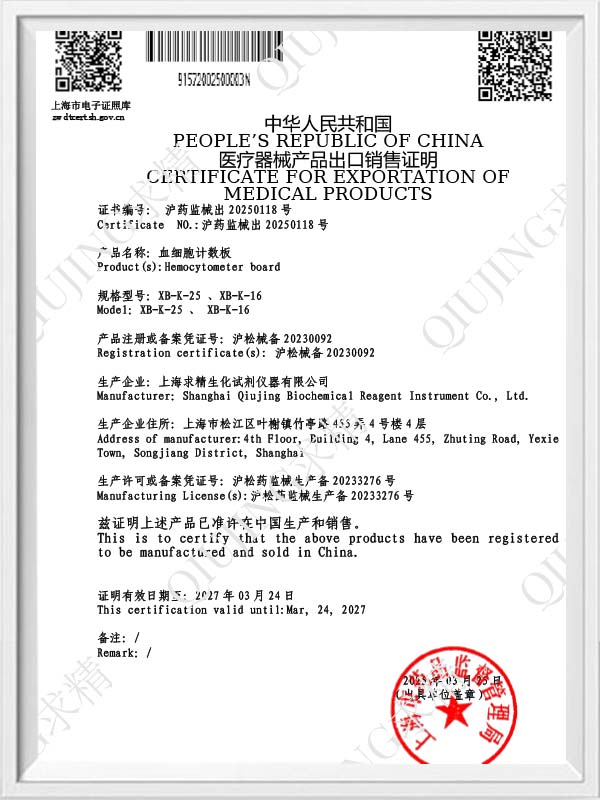
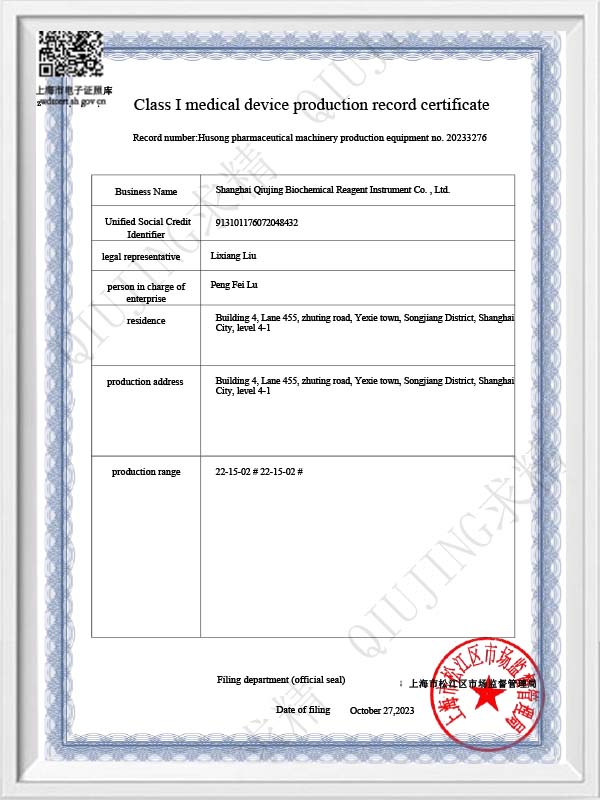
Shanghai Qiujing Biochemical Reagent & Instrument Co., Ltd. is a China Laboratory pH Meter Series manufacturer and OEM/ODM factory. We have developed and produced laboratory instruments in Shanghai since 1988, supported by a CE and ISO 13485 certified quality management system.
The series currently covers two benchtop platforms, the Qiujing P901 and the Qiujing PHS-3C, and sits inside our broader Laboratory Instruments programme alongside balances, photometers, centrifuges, stirrers and water baths for the same bench.
Both models measure hydrogen-ion activity in aqueous solution with a pH-responsive glass electrode and a reference electrode, and both are configured for bench work rather than portable field use.
| Model | Bench format | Instrument features | Typical fit |
|---|---|---|---|
| Qiujing P901 | Benchtop with 6.5-inch LED screen | Wireless Bluetooth printing; built-in mass storage | Quality control and analytical benches that issue printed and retained measurement records |
| Qiujing PHS-3C | Benchtop with IP54 dustproof and splashproof housing | Wireless Bluetooth transmission; built to comply with four referenced standards | Wet benches, teaching laboratories and routine testing exposed to splash and dust |
Electrode type, temperature compensation and the buffer routine are agreed per project, because the meter body and the electrode together determine the reading quality on the bench.
Benchtop pH measurement appears wherever an aqueous sample has to be characterised before a decision is made. The configurations in this series are used across:
A pH measurement is a potential difference. The glass electrode develops a charge tied directly to hydrogen-ion activity, nominally 59.2 mV per pH unit at 25 °C, and the instrument reads that difference against a stable reference electrode such as silver/silver chloride. Anything that disturbs the electrode pair shows up as drift, slow response or a slope that no longer passes calibration.
Each order is locked against a specification sheet so that repeat shipments behave like the first one. The items we confirm with the customer include:
| Option | Choices | Effect on the bench |
|---|---|---|
| pH electrode | General-purpose glass bulb; flat-surface for semi-solids; refillable reference design | Sets response speed, cleaning routine and compatibility with the sample matrix |
| Temperature compensation | Manual entry or automatic probe | Removes temperature error where samples are measured away from 25 °C |
| Records and output | Wireless Bluetooth printing and built-in mass storage (P901); wireless Bluetooth transmission (PHS-3C) | Determines how readings are documented and passed on after measurement |
| Housing protection | Standard benchtop enclosure or IP54 dustproof and splashproof design (PHS-3C) | Suits wet benches, shared teaching spaces and humid rooms |
| Branding and packaging | OEM/ODM appearance, labels, documentation and carton design | Supports distributor and private-label programmes |
The P901 carries a 6.5-inch LED screen with wireless Bluetooth printing and built-in mass storage, so measurement records can be issued and retained at the bench. The PHS-3C pairs its IP54 housing with wireless Bluetooth transmission for labs that move readings off the instrument.
Manufacturing is managed under a CE and ISO 13485 certified system, with raw material inspection, in-process testing and finished-product inspection applied across the production run. Our in-house test laboratory verifies instrument behaviour before release, and sample units can be provided for performance verification before a specification is finalised.
A workable quotation follows from the measurement routine, not from a model name alone. We prepare the configuration and price from the following project inputs:
OEM/ODM work covers specification adjustment, appearance, labels and packaging. Samples are available for verification, and standard production lead time for established configurations is 10 working days, with the schedule confirmed at order review.
Two benchtop platforms: the Qiujing P901 with a 6.5-inch LED screen, wireless Bluetooth printing and built-in mass storage, and the Qiujing PHS-3C with an IP54 dustproof and splashproof housing and wireless Bluetooth transmission.
Yes. The P901 supports wireless Bluetooth printing, and its built-in mass storage keeps measurement data on the instrument as well.
The IP54 dustproof and splashproof design is intended for exactly those conditions, where spills and airborne dust are part of daily use. It is built to comply with four referenced standards and transmits readings wirelessly by Bluetooth.
We provide OEM/ODM customization on laboratory instruments, covering specification adjustment, appearance, labels and packaging. Distributor and private-label projects are handled through the same configuration process as standard orders.
Calibration follows the buffer set and interval agreed with the customer, and the electrode configuration is recorded with the order so replacement electrodes match the original specification. Junction cleaning and electrolyte refilling extend electrode life in demanding sample matrices.
Sample type, expected pH range, temperature conditions, record-keeping needs, bench environment, power requirements, documentation language, quantity and delivery schedule. With those points confirmed, we issue the instrument configuration, accessory scope, packaging arrangement and production lead time.



Copyright © Shanghai Qiujing Biochemical Reagent & Instrument Co., Ltd. All Rights Reserved. Laboratory pH Meter Series Manufacturer OEM/ODM Laboratory pH Meter Series Factory
