 English
-
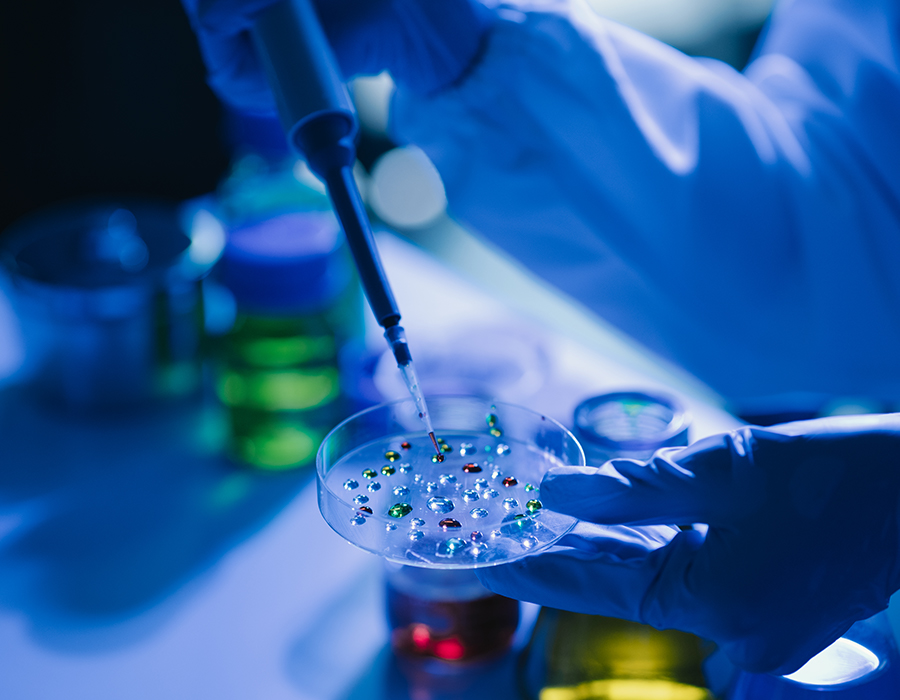 Life Science Research
Laboratory instruments are widely used in life science fields such as molecular biology, cell research, and microbial analysis. Through precise sample processing, liquid transfer, and experimental operations, they provide stable and reliable equipment support for researchers to conduct experiments such as gene detection, cell culture, and protein analysis, helping to advance research projects efficiently.
-
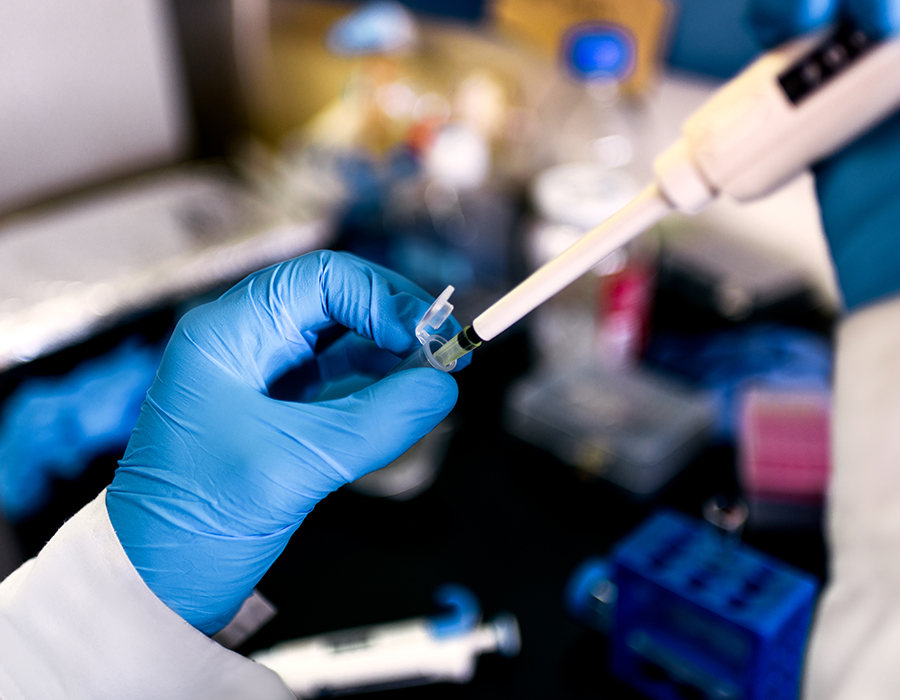 Medical Testing
In fields such as clinical testing, disease screening, and medical research, laboratory equipment plays a crucial role in sample processing, detection and analysis, and experimental support. High-precision, high-stability instruments can help medical institutions improve testing efficiency and meet the needs of hospitals, diagnostic centers, and specialized laboratories for standardized experimental procedures and accurate results.
-
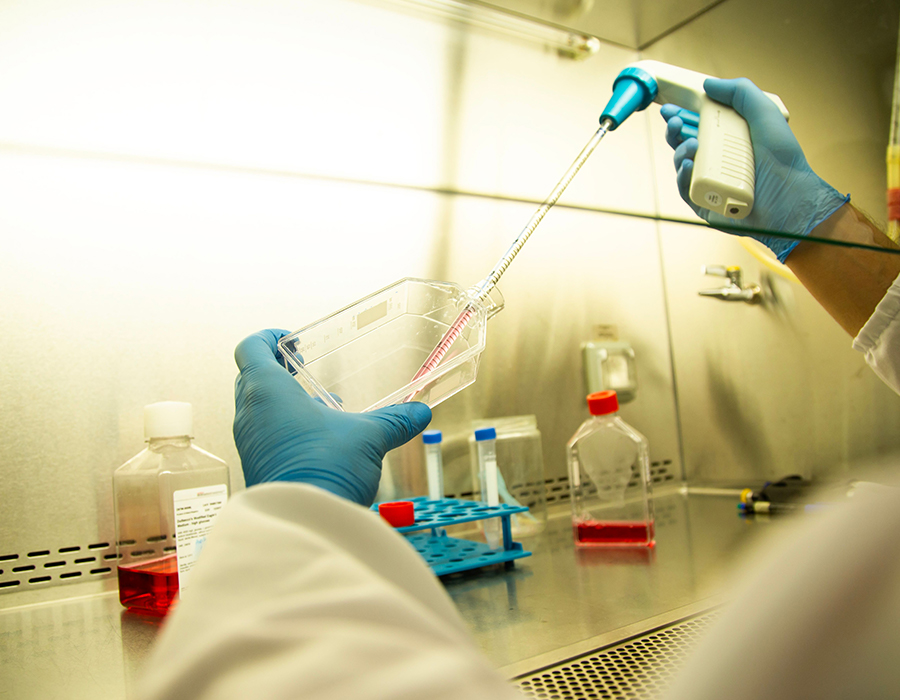 Biotechnology & Pharmaceutical
The biopharmaceutical industry has high requirements for the precision, reliability, and repeatability of laboratory equipment. Related instruments are widely used in drug development, sample preparation, experimental analysis, and quality control, providing professional support for new drug development, biotechnology research, and production process monitoring.
-
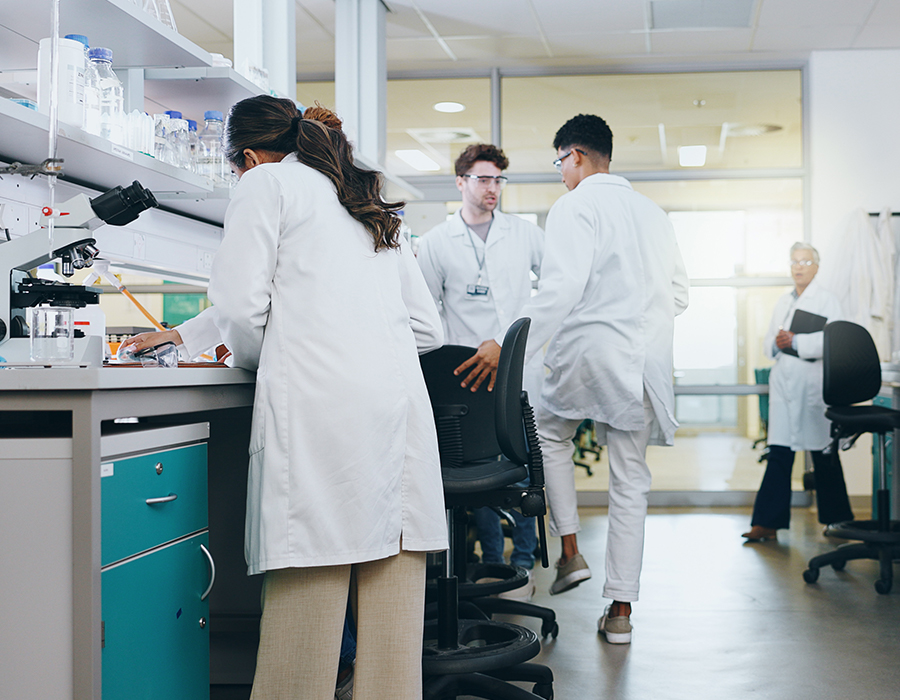 Universities & Research Institutes
Laboratory equipment is an important component of teaching experiments and scientific research innovation in universities. These products can be applied to multiple disciplines such as chemistry, biology, medicine, and materials science, helping students with experimental operation training while providing convenient and efficient experimental conditions for researchers to conduct basic research and technological exploration.
-
 Food & Environmental Testing
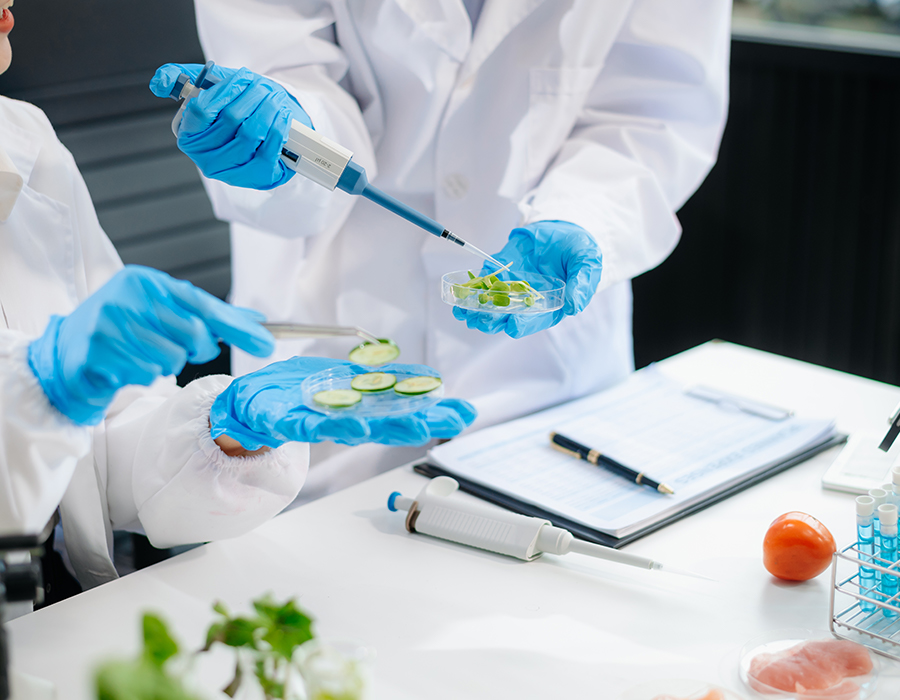
In the fields of food safety testing, environmental monitoring, and sample analysis, laboratory equipment can be used for sample pretreatment, component detection, and experimental data analysis. Its stable performance helps testing organizations improve experimental efficiency and meet the needs of the food, environmental, and other industries for testing processes and quality management.
-
 Industrial R&D & Quality Control
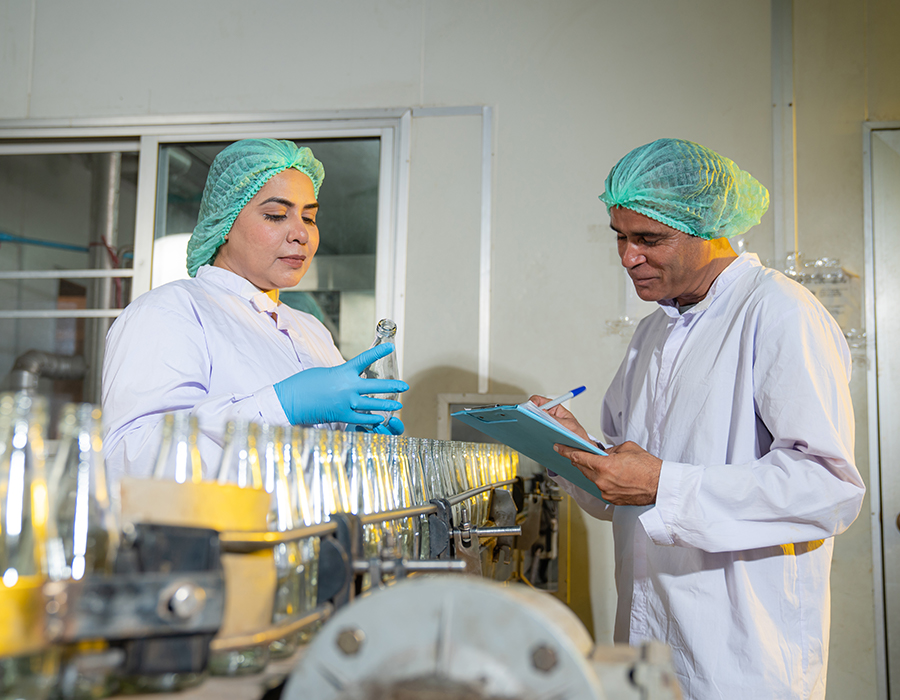
In industrial sectors such as electronics, new materials, chemicals, and manufacturing, laboratory instruments are widely used for product development, performance testing, and quality inspection. Through precise data collection and experimental analysis, they help companies optimize production processes, improve product quality management, and support industrial technological innovation and application development.

-
 +86-021-62403896
 -

-
 roger@shqiujing.com.cn
 -
Building 4, Lane 455, Zhuting Road, Yexie Town, Songjiang District, Shanghai, China
Copyright © Shanghai Qiujing Biochemical Reagent & Instrument Co., Ltd. All Rights Reserved.
