English
 русский
 Español
 عربى
2026/11/06
Industry News

The cantilever mixer drives the mixing blade to rotate through a motor-driven cantilever shaft, generating shear and circulatory flow of materials within the container. It is used for mixing, dispersing, and dissolving processes in industries such as coatings and inks, and is suitable for small-batch sample processing in laboratories.
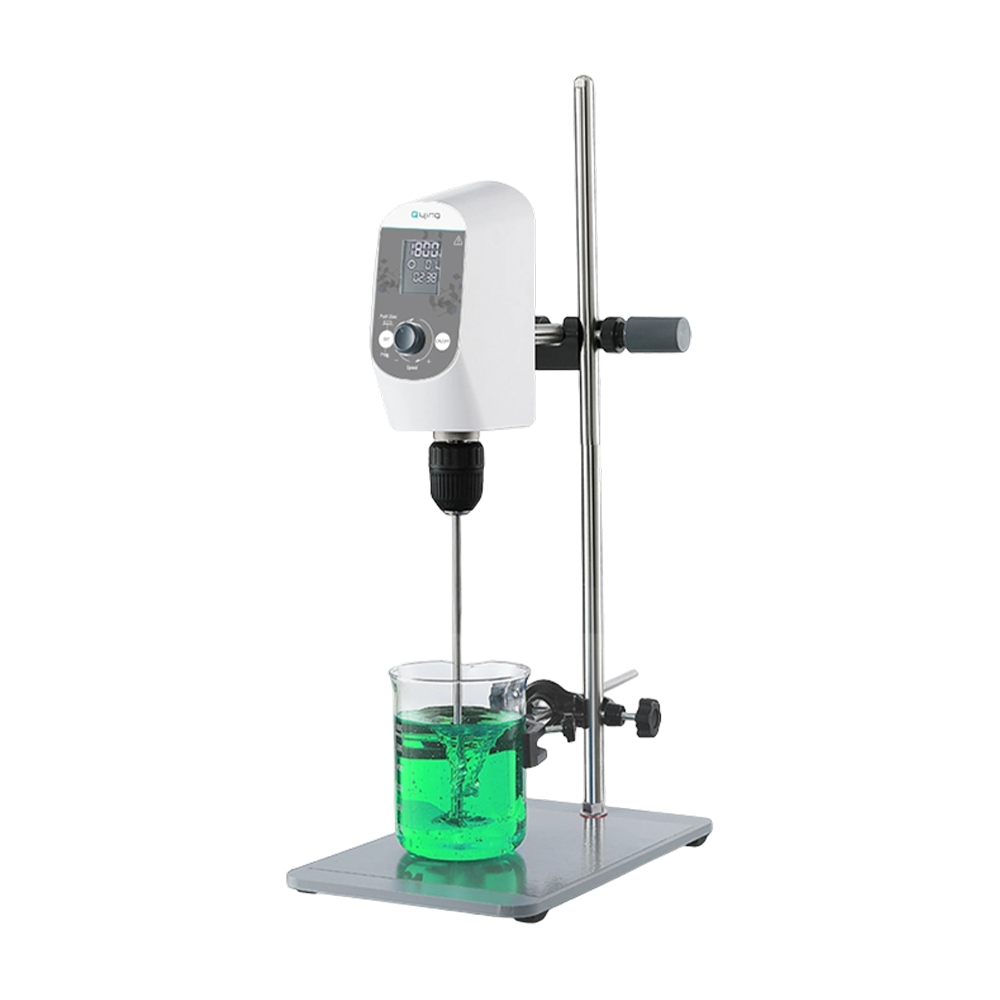
High speed accuracy, six-segment program control;F...
Check the Details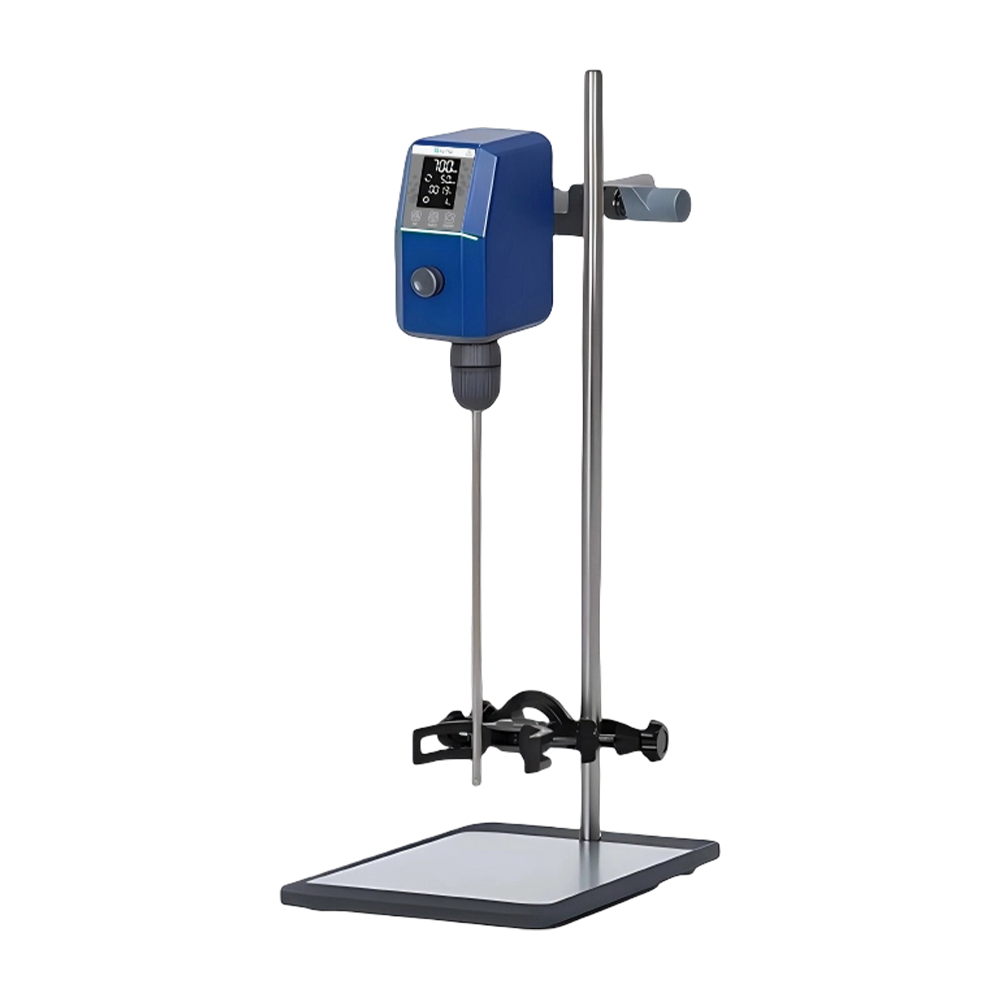
Intelligent chip, accurate control of microprocess...
Check the Details
BELIEVE IN OUR STRENGTH



Founded In

Industry Experience

Factory Area
Core Products
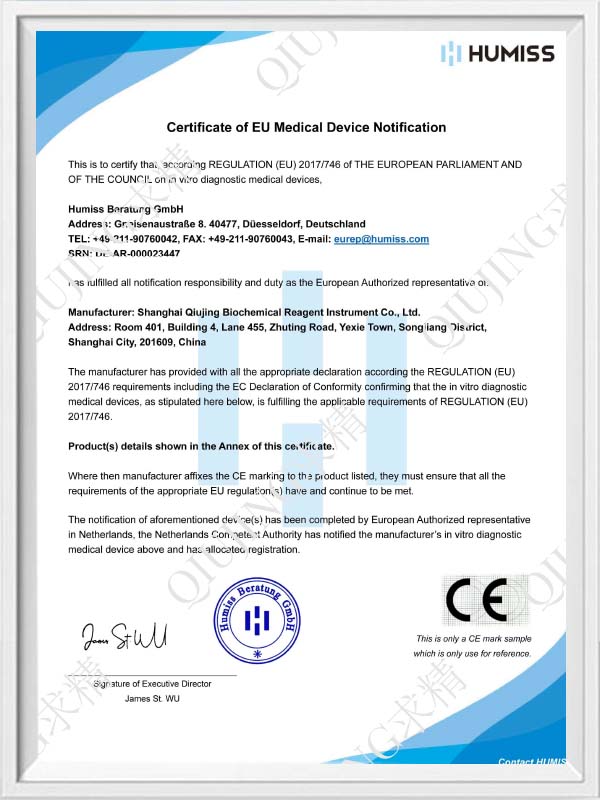
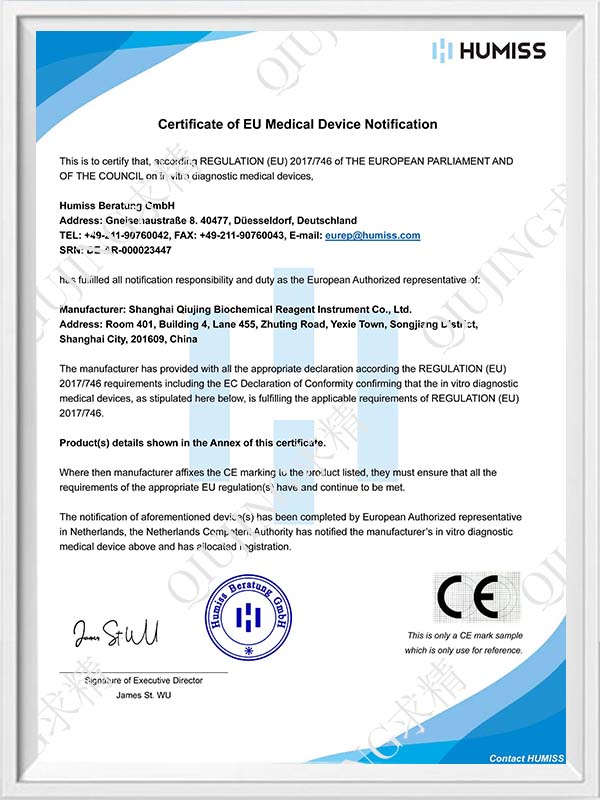
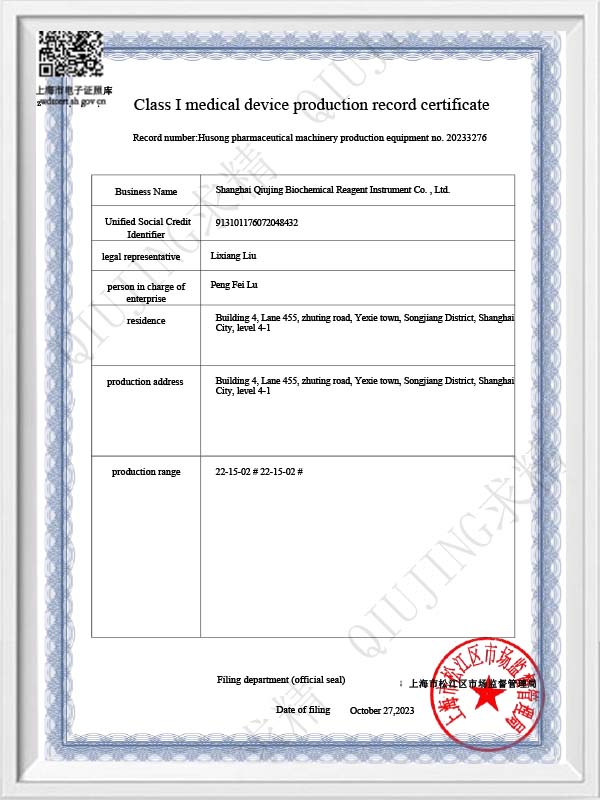
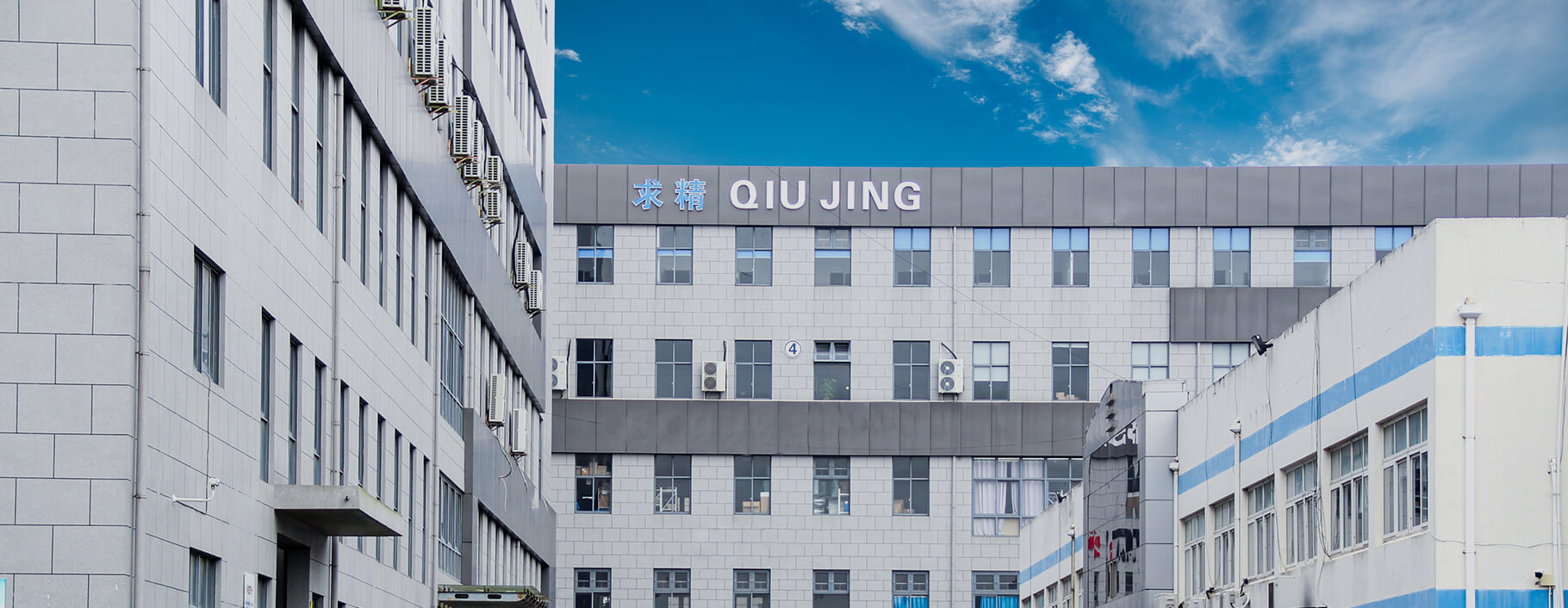
Our Laboratory Electric mixer Series manufacturer work covers electric cantilever mixers built for repeatable mixing, dispersing and dissolving at bench scale. Shanghai Qiujing Biochemical Reagent & Instrument Co., Ltd. has been producing laboratory instruments since its brand was established in 1988, operates under a CE and ISO 13485 quality system, and runs this series as an OEM/ODM program for laboratories, distributors and project teams. The mixers sit inside our wider laboratory instruments portfolio, so mixing, centrifuging, pipetting and consumables can be sourced against one specification and one delivery schedule.
An electric cantilever mixer drives a mixing blade through a motor-driven cantilever shaft. Rotation creates shear at the blade tip and circulatory flow through the bulk liquid — the action that carries a powder into solution, breaks pigment agglomerates in a paste, or keeps a resin and solvent system uniform while a sample is drawn.
That geometry suits small-batch work. Where a production disperser needs a large vessel and a long changeover, a cantilever mixer applies comparable mixing action to a bench-scale batch and holds the same speed profile from one batch to the next, which is what makes coatings, ink and formulation samples comparable over time.
| Model designation | Drive and control | Where it fits |
|---|---|---|
| QJ-EM-60, QJ-EM-120, QJ-EM-200 | Cantilever drive with six-segment program control and high speed accuracy | Repeatable mixing, dissolving and dispersing of small batches where a run needs more than one speed step |
| QJ-EM-60SH, QJ-EM-120SH, QJ-EM-200SH | Companion configurations in the same program-controlled family | Vessels where shaft length, blade diameter and immersion depth must be matched to a specific container — fixed during configuration |
| QJ-EM-150FR | Microprocessor-based control for fine speed adjustment | Work that depends on close speed control, such as staged dispersion or gradual pigment let-down |
Both lines carry full technical entries: Qiujing Electric Cantilever Mixer QJ-EM-60/120/200/60SH 120SH/200SH and Qiujing Electric Cantilever Mixer QJ-EM-150FR.
Configuration is settled by the working point — vessel, medium and target result — not by drive size alone. Two laboratories can run the same method in different containers and need different shafts, blades and speed profiles.
| Process variable | Why it drives the choice | What we confirm with you |
|---|---|---|
| Batch volume | Blade diameter and shaft length must clear the vessel wall and sit at the correct immersion depth | Working volume, vessel diameter, vessel height, required immersion |
| Viscosity and solids loading | Thicker media need torque at lower speed; wetting a powder needs tip speed | Viscosity range, solids content, whether the task is dispersion or dissolution |
| Mixing objective | Dissolving, dispersing, suspending and homogenising call for different impeller geometry | Target particle size, dispersion degree or visual acceptance criterion |
| Speed profile | Single-speed work and stepped programs are handled differently by the control set | Speed range, number of program segments, hold times, ramp behaviour |
| Wetted materials | Solvents, acids, alkalis and pigments decide which shaft and blade materials stay stable | Chemical list, contact time, cleaning and drying routine |
| Mounting and clearance | Stand type, clamp opening and headroom determine how the vessel is loaded and removed | Bench height, clamp size, available depth for vessel handling |
The parts that touch the sample decide whether a mixer survives a formulation lab. We fix the wetted assembly against the media list you provide, then confirm cleaning compatibility before the build is released.
Blade type follows the task: a disc-style impeller for dispersing powders into liquid, a propeller or paddle for bulk circulation and dissolving, and a blade matched to the vessel base where solids must not settle.
The QJ-EM-60/120/200 family uses six-segment program control with high speed accuracy, which lets a method be split into steps instead of one fixed setting. Adding pigment at low speed and then dispersing at high speed becomes a stored routine rather than an operator judgement.
Installation is straightforward once the bench layout is agreed: a stable flat surface, adequate headroom for lifting the vessel, and clearance for the shaft to be positioned before the drive is started. Supply voltage and plug standard follow the destination market and are confirmed on the order.
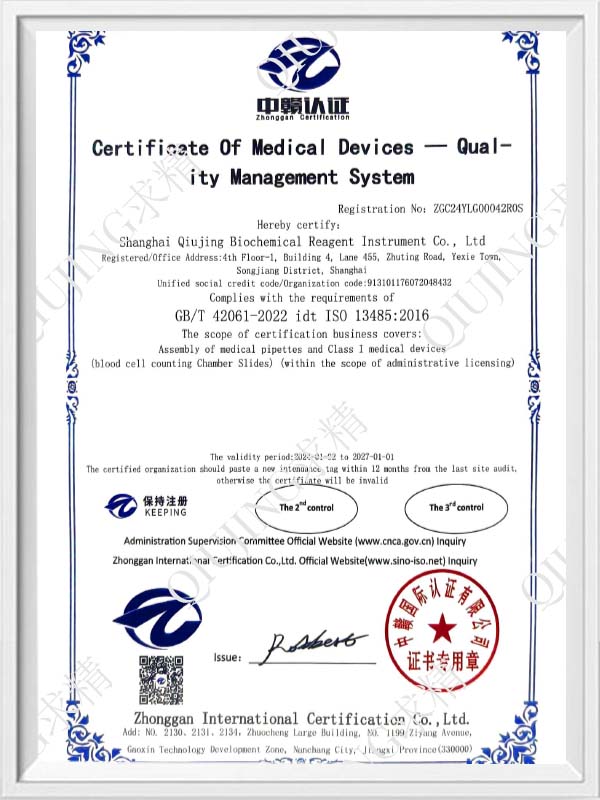
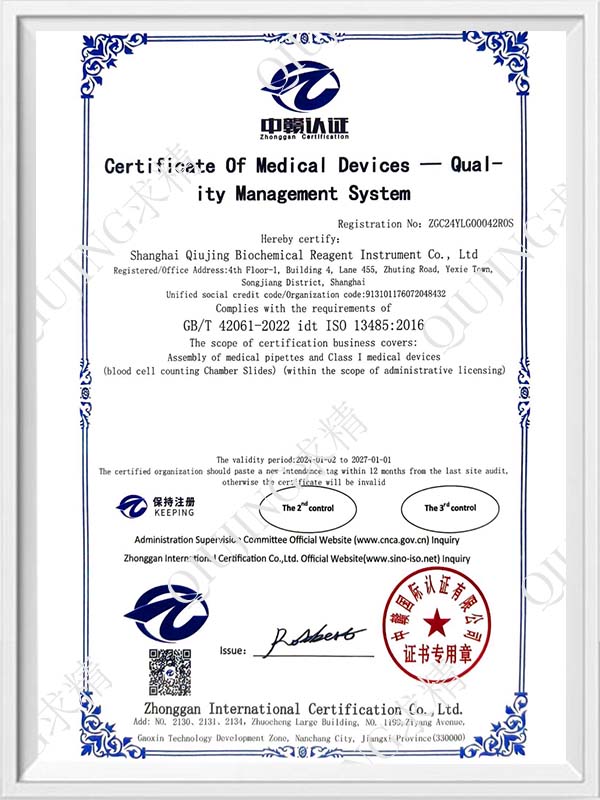
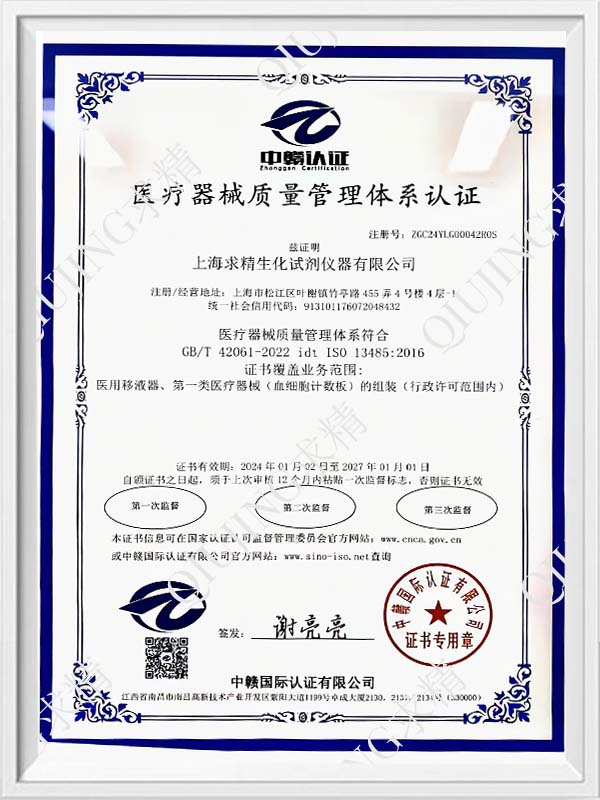
Our quality management system holds CE and ISO 13485 certification, and covers incoming material inspection, in-process testing and finished-product inspection in our own test laboratory. Each unit is checked for speed control behaviour and mechanical assembly before packing.
On arrival, acceptance normally confirms the model and voltage match the order, the shaft runs true, the blade seats correctly, and each program segment engages and holds. We support this step with operation guidance and troubleshooting from the same technical team that configured the mixer.
OEM and ODM projects are handled from your drawings, samples or performance target — specification adjustment, appearance and packaging included. Documentation covers operation guidance, product consultation and after-sales troubleshooting for overseas partners. Confirmed production orders follow our standard quoted lead time of 10 working days, with export packaging and global shipment arranged for the destination.
The first group is our program-controlled cantilever platform with six-segment speed control and high speed accuracy, offered in several model and shaft designations. The QJ-EM-150FR uses microprocessor-based control for finer speed adjustment. Which one suits a method depends on the vessel, medium and how closely the speed has to be held.
Yes. Mixing, dispersing and dissolving of small batches in coatings and inks is the core application of this series. We size the blade and shaft for the paste viscosity and the wetting behaviour of the pigment, and set the program segments around your addition sequence.
Wetted parts are selected against your chemical list, with coated or non-metallic options reviewed where bare metal is unsuitable. We confirm the final combination — shaft, blade and coupling — in writing before production.
We provide OEM and ODM customization from drawings, samples or performance targets, including specification adjustment, appearance and packaging. Supply voltage and plug standard are confirmed against the destination market for each order.
Our standard quoted lead time for confirmed production orders is 10 working days. Units are packed for export and shipped globally, with after-sales support covering operation guidance and troubleshooting for overseas customers.
Working volume and vessel dimensions, medium and viscosity, the target mixing result, required speed profile, chemical and cleaning constraints, supply voltage, mounting arrangement, quantity and any OEM branding or packaging requirement. With those details we return a configuration and quotation that matches the working point.