 English
 русский
 Español
 عربى
2026/11/06
Industry News

Macropipette is a laboratory instrument designed to measure and transfer relatively large volumes of liquid, generally between 0.25 mL and 5 mL (or up to 10 mL), often utilizing a piston-driven mechanism or graduated glass tube.
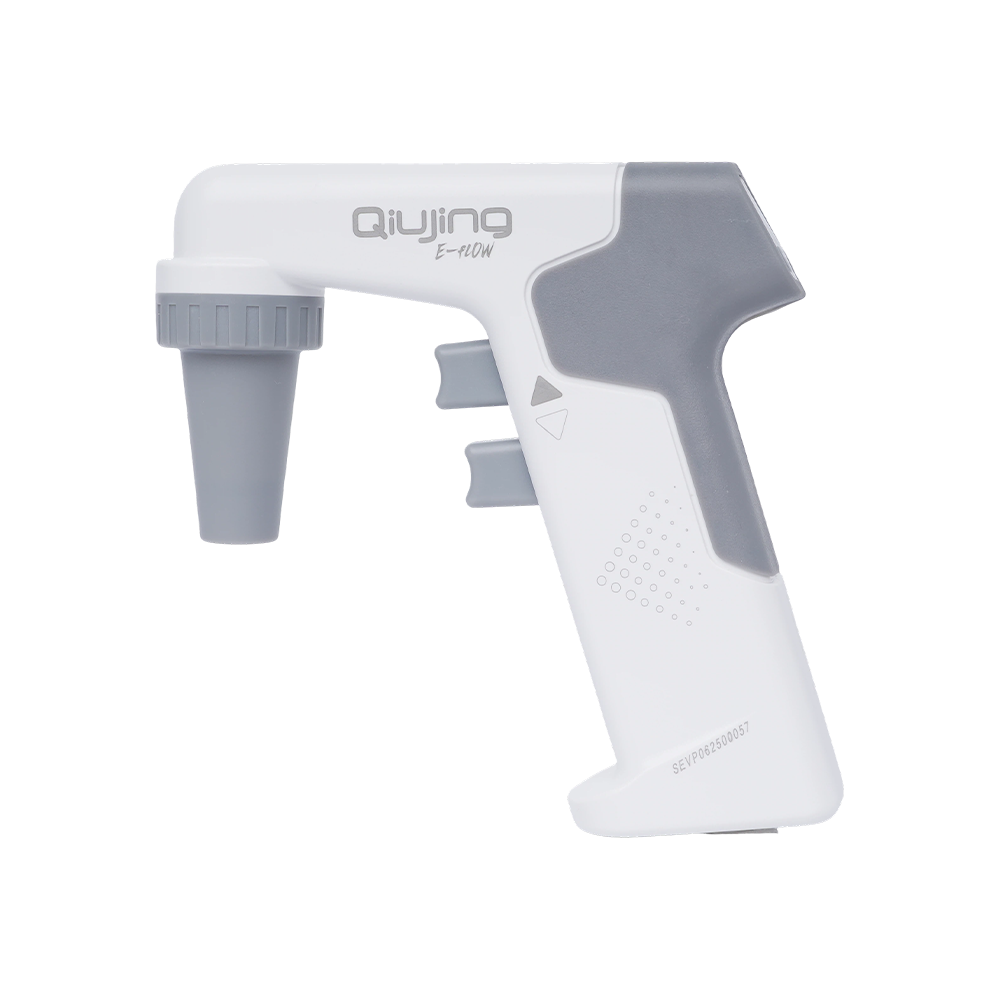
Separation is precise, with adjustable speed, anti...
Check the Details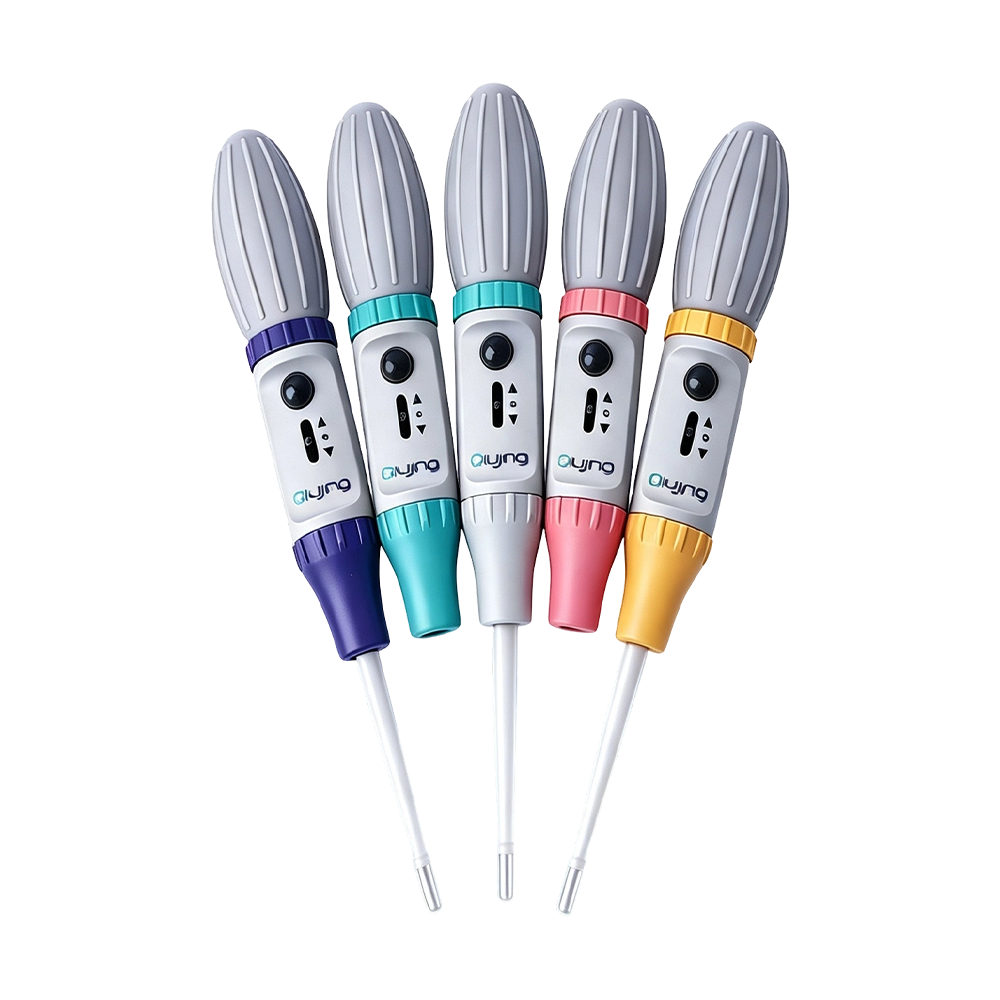
An economical and practical liquid controller, fro...
Check the Details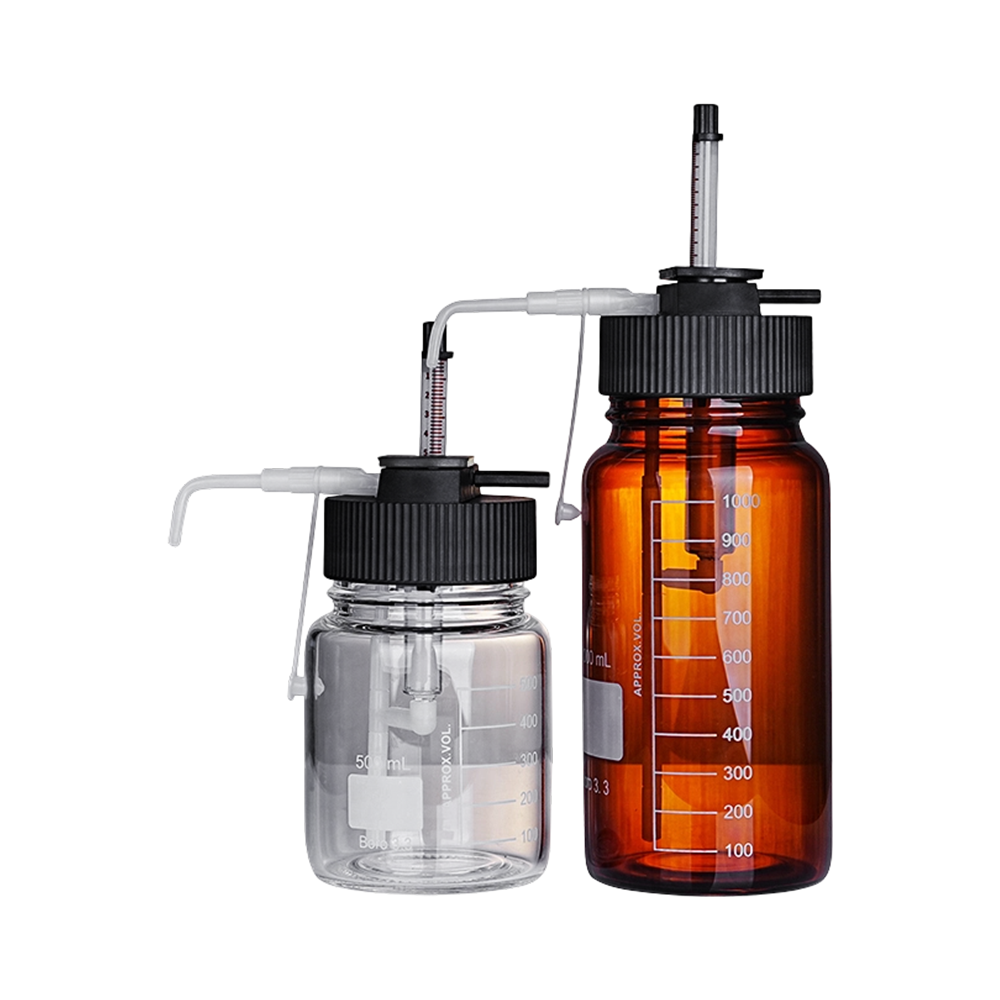
Bustle series adjustable dosage liquid injector Te...
Check the Details
BELIEVE IN OUR STRENGTH




Founded In

Industry Experience

Factory Area
Core Products
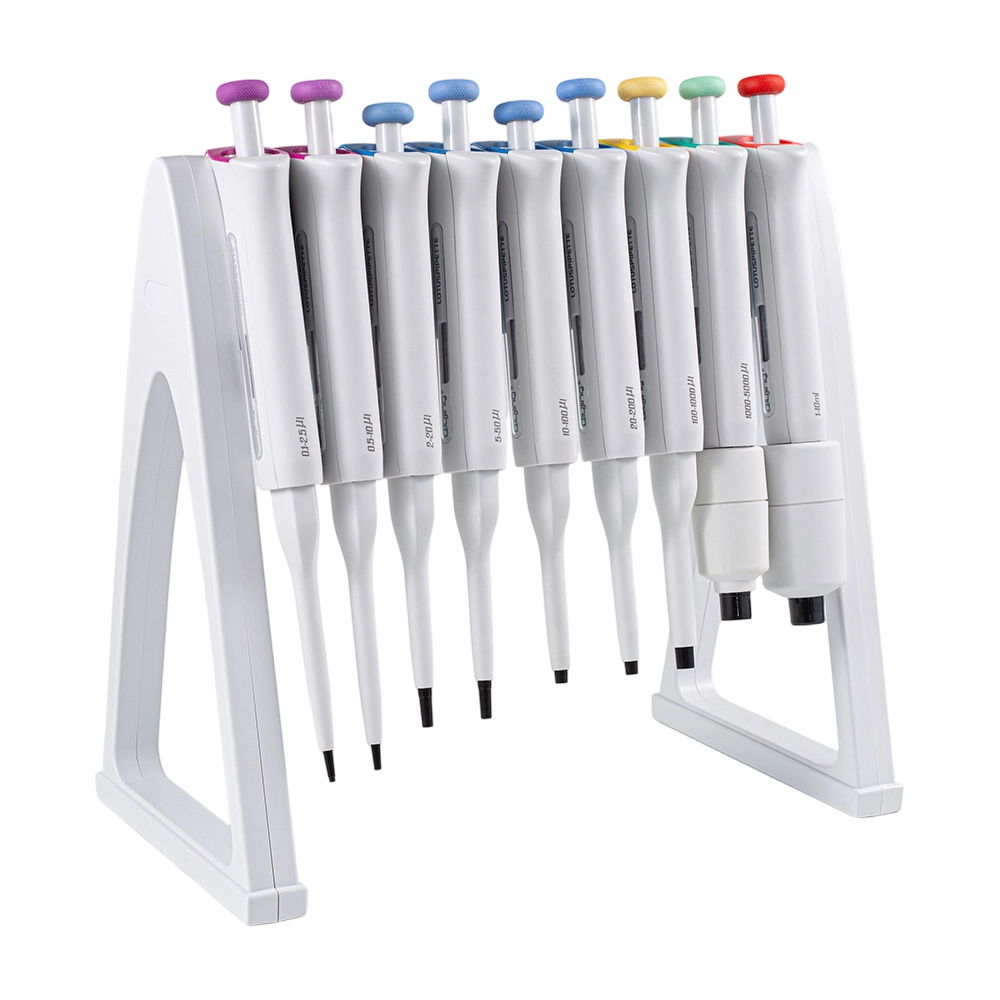
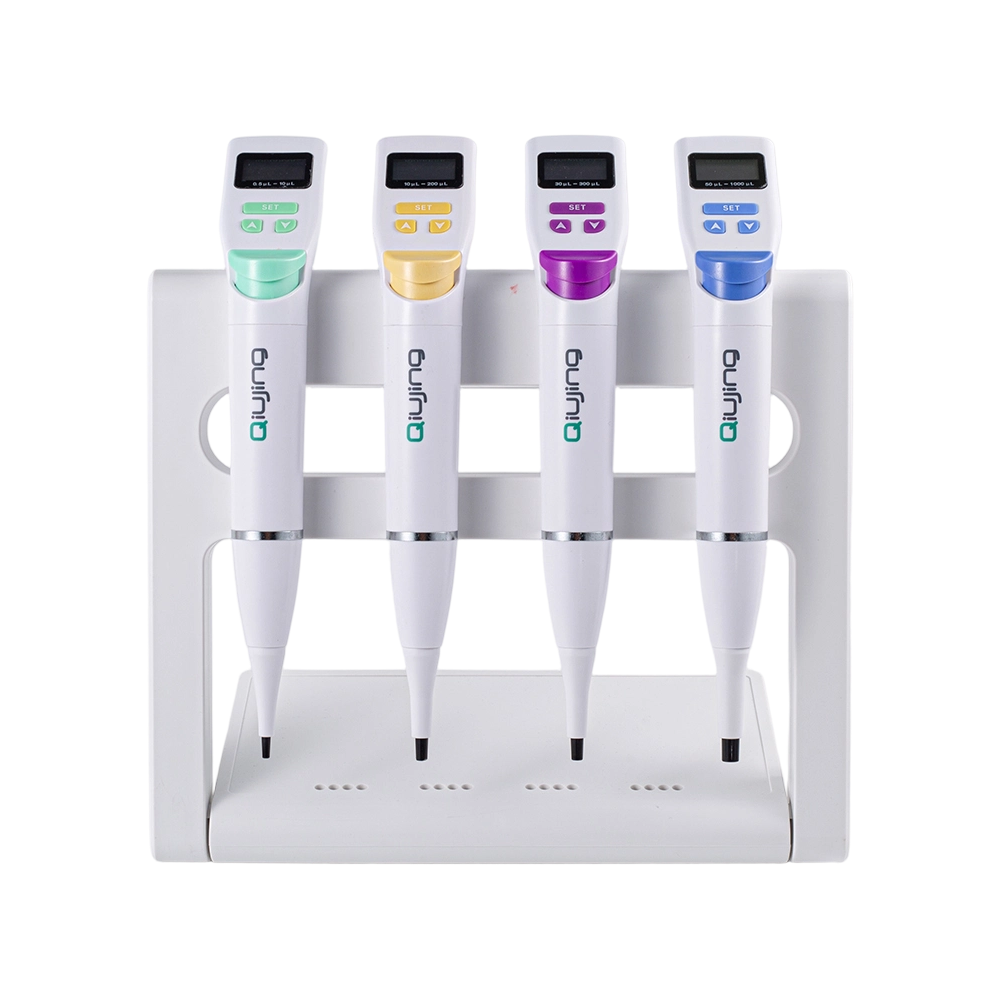
Shanghai Qiujing Biochemical Reagent & Instrument Co., Ltd. is a Laboratory Macropipette Manufacturer working out of Songjiang District, Shanghai, and producing precision liquid-handling instruments since our brand was established in 1988. Our macropipette programme covers electric large-capacity pipettes, manual large-volume pipettes and adjustable quantitative pipettors for the 0.25 mL to 10 mL band, where a micropipette is too small and a graduated cylinder or burette is too slow.
These instruments go to universities and research institutes, medical testing laboratories, food and environmental testing bodies, biotechnology and pharmaceutical producers, and industrial R&D and QC departments. Assembly and performance testing run in our own 24,000 m² production base, and the same lines carry OEM/ODM programmes with customer-specified volume bands, appearance, labelling and packaging.
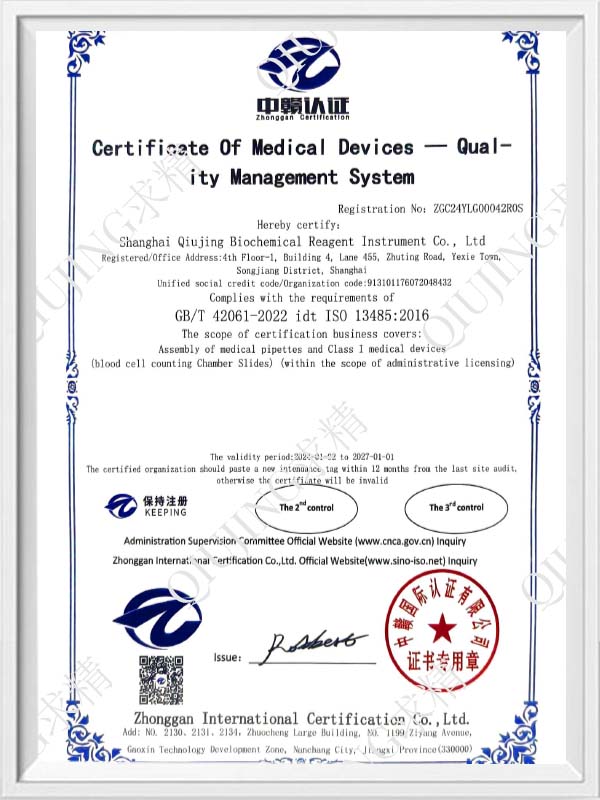
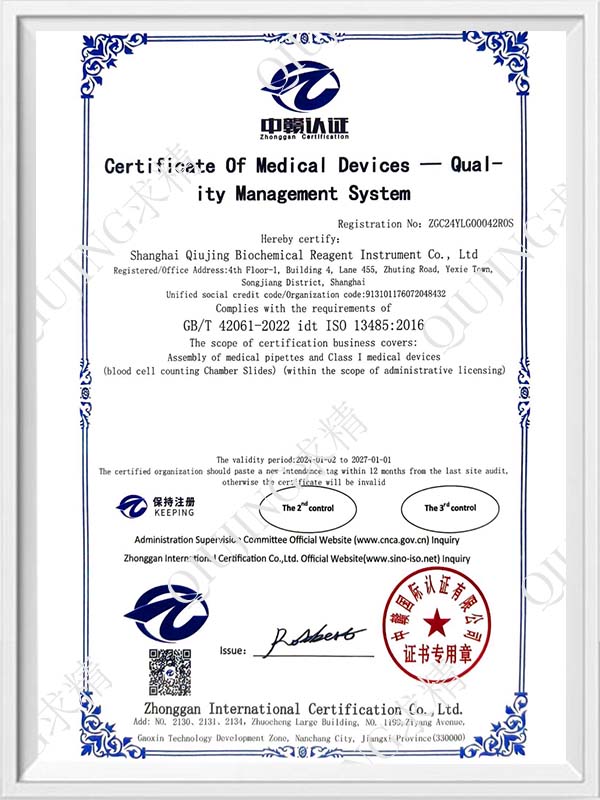
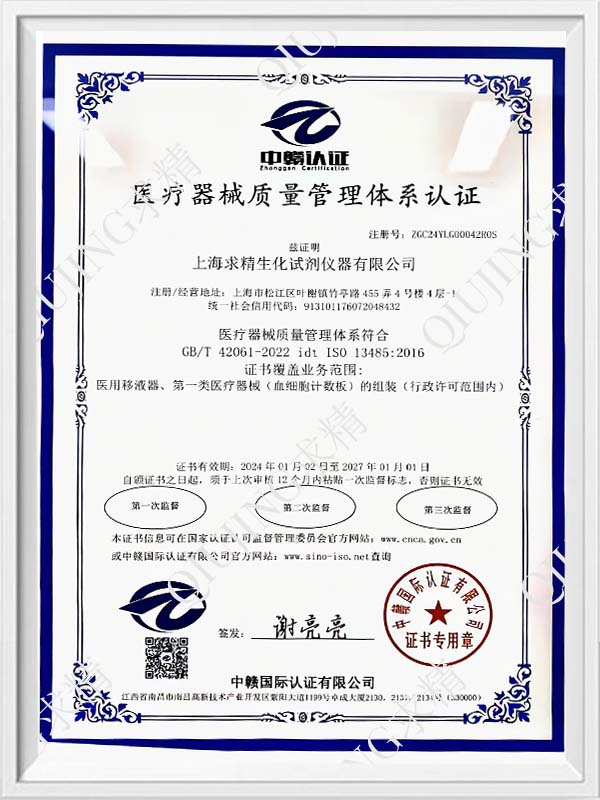
Quality base: CE and ISO 13485 certified management system, in-house test laboratory, full-process inspection from incoming material through in-process checks to finished-goods testing.
Motor-assisted large-capacity pipette with adjustable speed and a separating step for controlled delivery. Suited to repetitive aliquoting, media and buffer addition, and liquids that foam or drip when aspiration is too fast.
An economical, practical liquid controller with thumb-operated piston action, no power supply and no battery management. A common choice for routine transfer, teaching benches and laboratories that keep large-volume work away from mains power.
Adjustable-dosage large-volume injector for set-and-repeat dispensing, where one volume is dosed across many vessels of the same batch. Volume setting range and locking are confirmed per model at quotation.
| Series | Drive and power | Operating character | Primary application fit | Configuration confirmed with you |
|---|---|---|---|---|
| E-flow | Electric, motor-assisted | Adjustable aspiration and dispensing speed; separating step | Repetitive dispensing, media and buffer work, viscous or foaming liquids | Speed profile, dispensing mode, tip fit, packaging |
| H-Flow | Manual, thumb piston | No power or battery; light actuation for long sessions | Routine large-volume transfer, teaching laboratories, low-power benches | Volume range, grip format, cleaning-compatible materials |
| Bustle | Manual, adjustable dosing | Set-and-repeat volume for serial dispensing | Batch reagent dosing, plate and tube filling, sample preparation | Dosing range, setting lock, labelling |
Macropipettes sit between micropipettes and graduated glassware. They carry the 0.25 mL to 10 mL transfers that appear constantly in sample preparation, reagent make-up and dilution series, and they keep those steps in one hand-held instrument rather than a cylinder, a bulb and a beaker.
For higher routine throughput on the same bench, our adjacent Automatic Micro Liquid Dispenser covers automated micro-volume dispensing, while the Micropipette range handles sub-millilitre steps in the same workflow.
Wetted parts on our macropipettes are built from laboratory-grade polymers and, where a series uses them, glass components. The material set we propose follows the chemistry you actually pipette, because seals and pistons are the first parts to suffer from aggressive solvents, concentrated acids or high-salt buffers.
Volume performance on a macropipette is judged by accuracy (systematic error) and repeatability (random error) at the low, mid and high points of the setting range. We verify with gravimetric testing practice following ISO 8655 principles: distilled or deionised water, a balance of suitable readability, stable temperature and a defined number of replicate deliveries.
Large-volume work is repetitive, so actuation force, handle balance and tip ejection are functional specifications rather than comfort details. Manual models require no utilities; electric models use the power or battery arrangement stated for the selected model.
We supply standard models and build to customer drawings or samples. Typical OEM/ODM scope covers volume band, colour and housing appearance, brand printing, instruction languages and retail or bulk packaging. Where a project needs repeated dispensing across a plate or tube rack, we advise on the E-flow electric model or on combining macropipette transfers with our dispenser range so the bench keeps one consistent liquid-handling method.
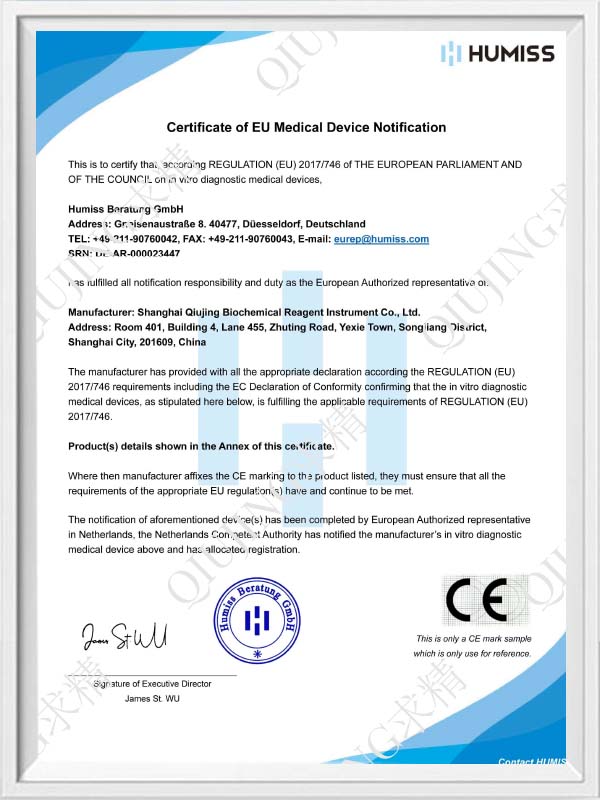
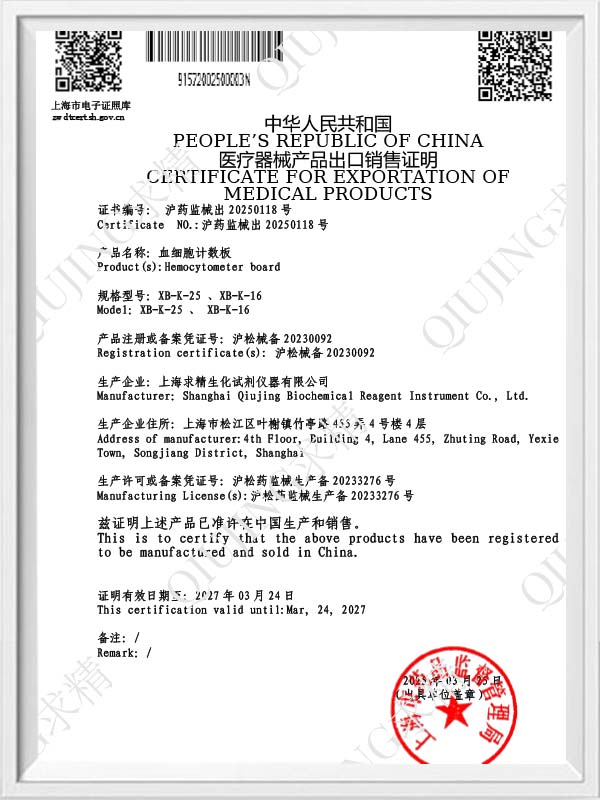
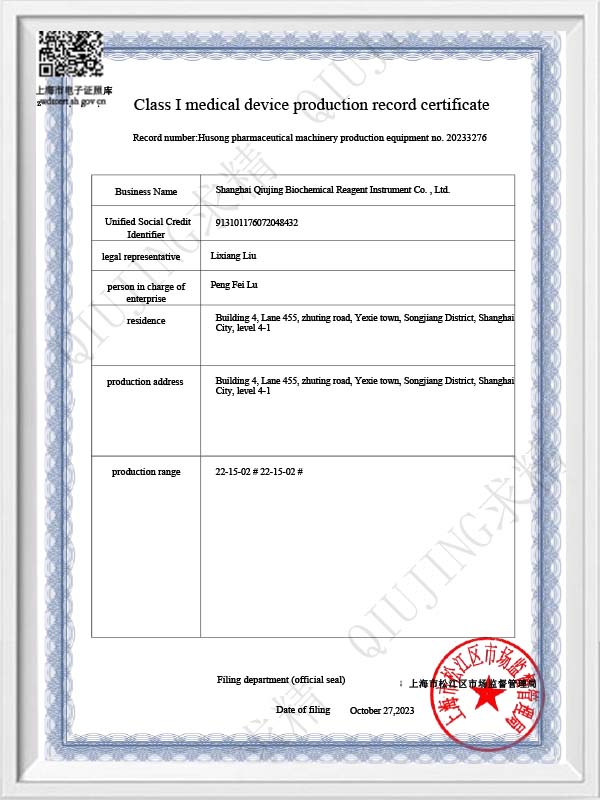
Our quality system holds CE and ISO 13485 certification, supported by certificates including an EU Medical Device Notification, a Certificate of Export Sales for Medical Devices and a Class I Medical Device Production Record Certificate. Inspection is applied at incoming material, in-process assembly and finished goods, with technical patents underpinning several mechanisms.
Acceptance for a project order normally combines a visual and finish check, a function check of piston travel, speed control and ejection, gravimetric volume verification at agreed points, and a packaging and document review against the approved sample.
| Project input | What we need from you | How it shapes the proposal |
|---|---|---|
| Working volumes | Smallest and largest volume per transfer, number of transfers per session | Selects series and volume band; sets the verification points |
| Liquid properties | Viscosity, density, volatility, foaming tendency, working temperature | Drives speed setting, material and seal selection, tip interface |
| Throughput | Transfers per hour or shift, number of operators, duty cycle | Manual versus electric, actuation force, unit quantity |
| Tips and consumables | Tip type already stocked, adaptor or rack requirements | Sealing design, ejector geometry, delivery scope |
| Cleaning and sterilisation | Disinfectants used, autoclave cycles, cleaning routine | Material compatibility and user instructions |
| Branding and market | Label text, languages, destination country, intended use | OEM/ODM artwork, manuals and certification documents |
| Quantity and schedule | Sample quantity, first order, annual volume | Sample and production scheduling, packaging format |
Confirmed specifications are locked after sample verification and before formal production. Standard lead time is 10 working days, with schedule confirmation once order details, customisation and quantity are finalised. Instruments ship in protective packaging prepared for international freight, with the documents agreed for the order and operation guidance for the bench.
Our macropipette family serves the large-volume band from roughly 0.25 mL up to 10 mL, with the exact range fixed by series and model. Give us your smallest and largest step volumes and we will match the model rather than the other way round.
The E-flow electric large-capacity pipette is the usual answer: adjustable speed lets the operator slow aspiration for viscous or foaming liquids, and the separating step supports one aliquot after another. Where no power or battery is wanted, the H-flow manual series covers the same volumes with thumb piston control.
Yes. We build to drawings or samples and customise volume band, appearance, printing, instructions and packaging. Specifications are finalised after sample confirmation, then released to production.
Gravimetric verification is performed on the agreed settings using distilled water and a suitable balance, following ISO 8655 practice, alongside function checks of piston travel, speed control and tip ejection. Results are documented when the project calls for it.
We provide samples so the instrument can be checked against your liquid, your tips and your operating routine. The sample stage is also where volume range and packaging are confirmed.
Working volumes, liquid properties, transfers per session, manual or electric preference, existing tip type, cleaning routine, branding requirements, order quantity and destination market. With those details our team can propose the series, the volume band and the delivery scope in one response.



Copyright © Shanghai Qiujing Biochemical Reagent & Instrument Co., Ltd. All Rights Reserved. Laboratory Macropipette Manufacturer OEM/ODM Laboratory Macropipette Factory
