 English
 русский
 Español
 عربى

What Laboratory Consumables Should You Stock: A Practical Guide from a China Supplier
Stock laboratory consumables by workflow stage, not by product name. Cover five stages: sample collection, culture, liquid handling, filtration, and counting. For each stage, check the material grade, the sterile status, and the fit with your instruments before you compare anything else. A China Laboratory Consumables Supplier that also operates as a China Laboratory Consumables Factory controls tooling and batch records, which is the main reason a single source behaves consistently from lot to lot.
Content
- 1 What Are Laboratory Consumables
- 2 Five Workflow Stages and What Each Needs
- 3 Qiujing Laboratory Consumables Series
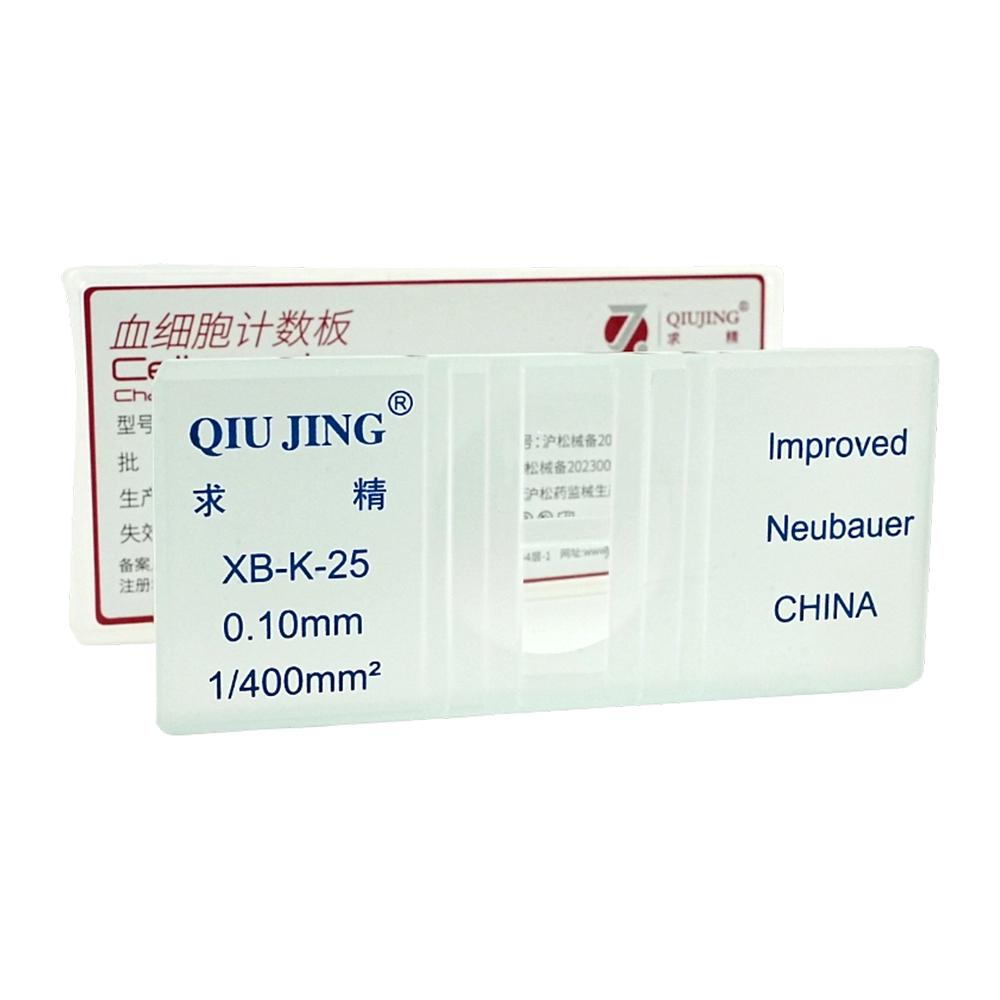
- 3.1 Qiujing Good Transparency Clear Scale Lines H-Shaped Groove Smooth Cell Counting Chamber Slides
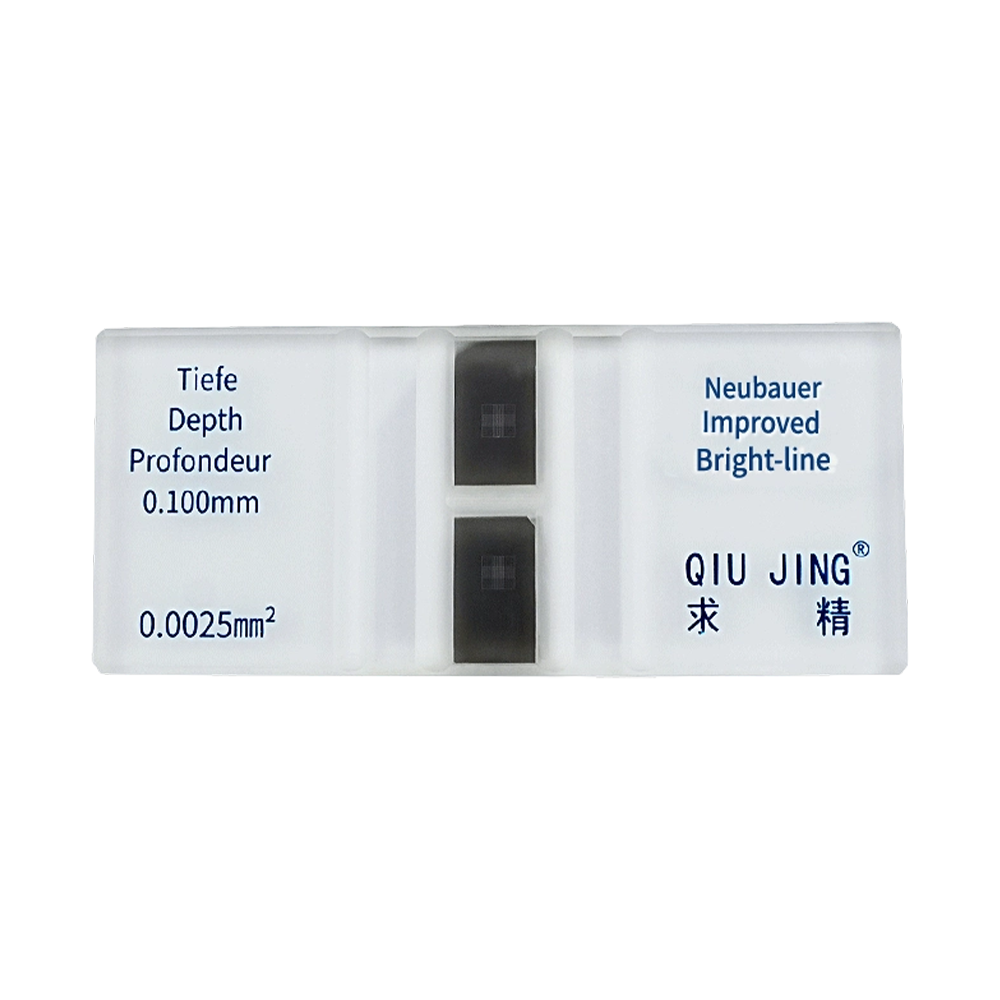
- 3.2 Qiujing Metal Silver Bottom Clear Scale Lines Good Visibility Bright Line Cell Counting Chamber Slides
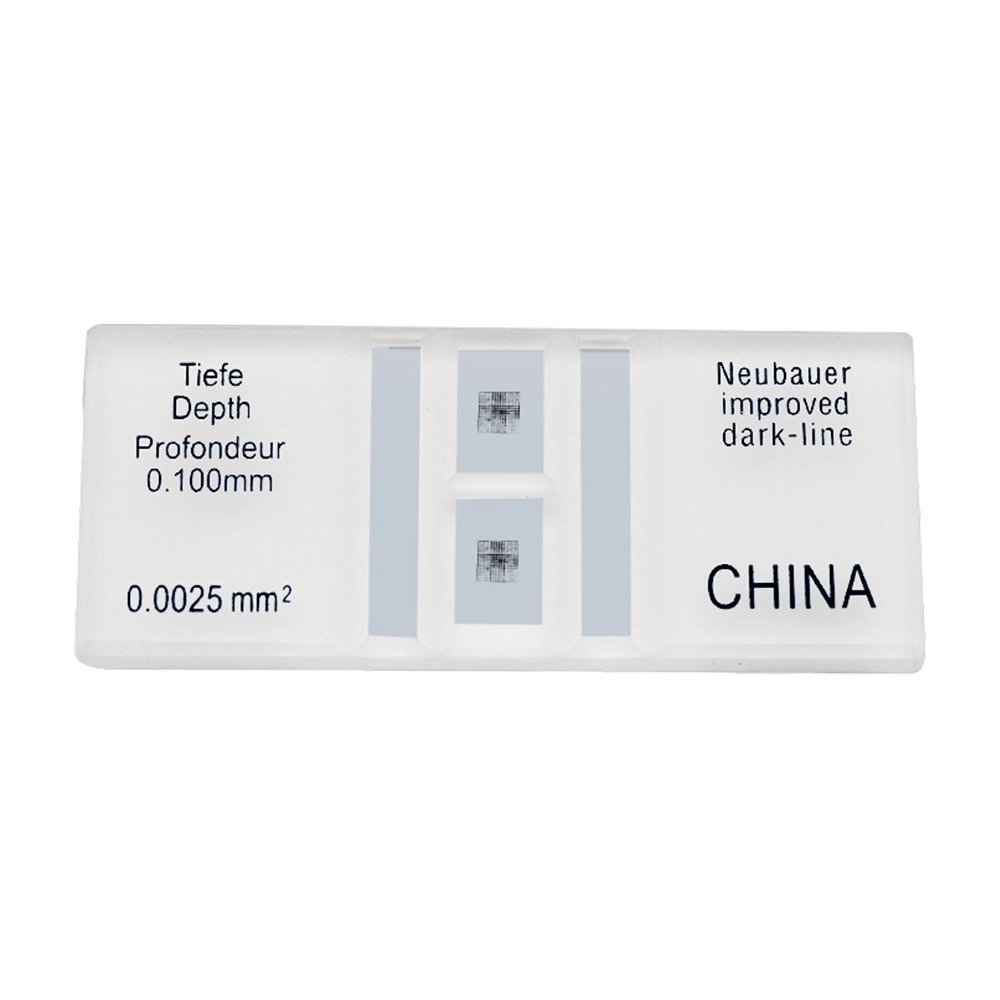
- 3.3 Qiujing Easy To Read Accurate Counting Dark Line Cell Counting Chamber Slides
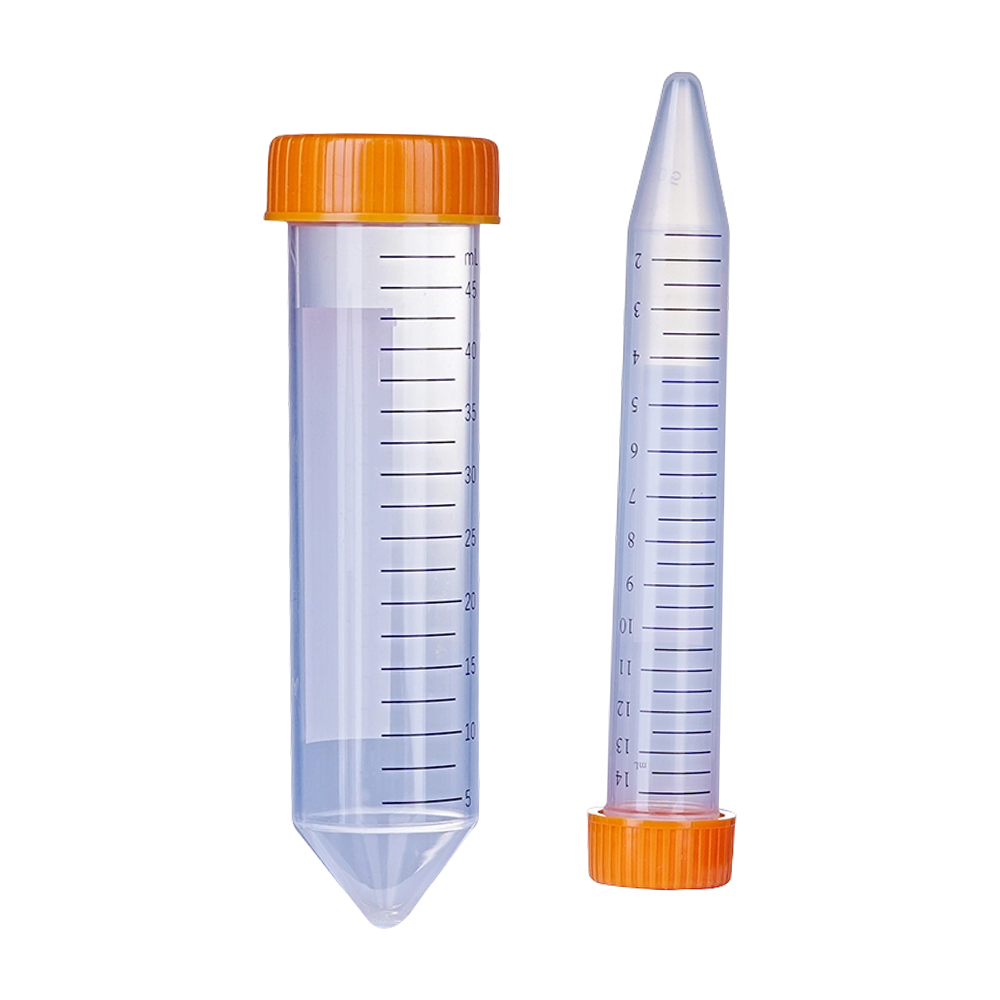
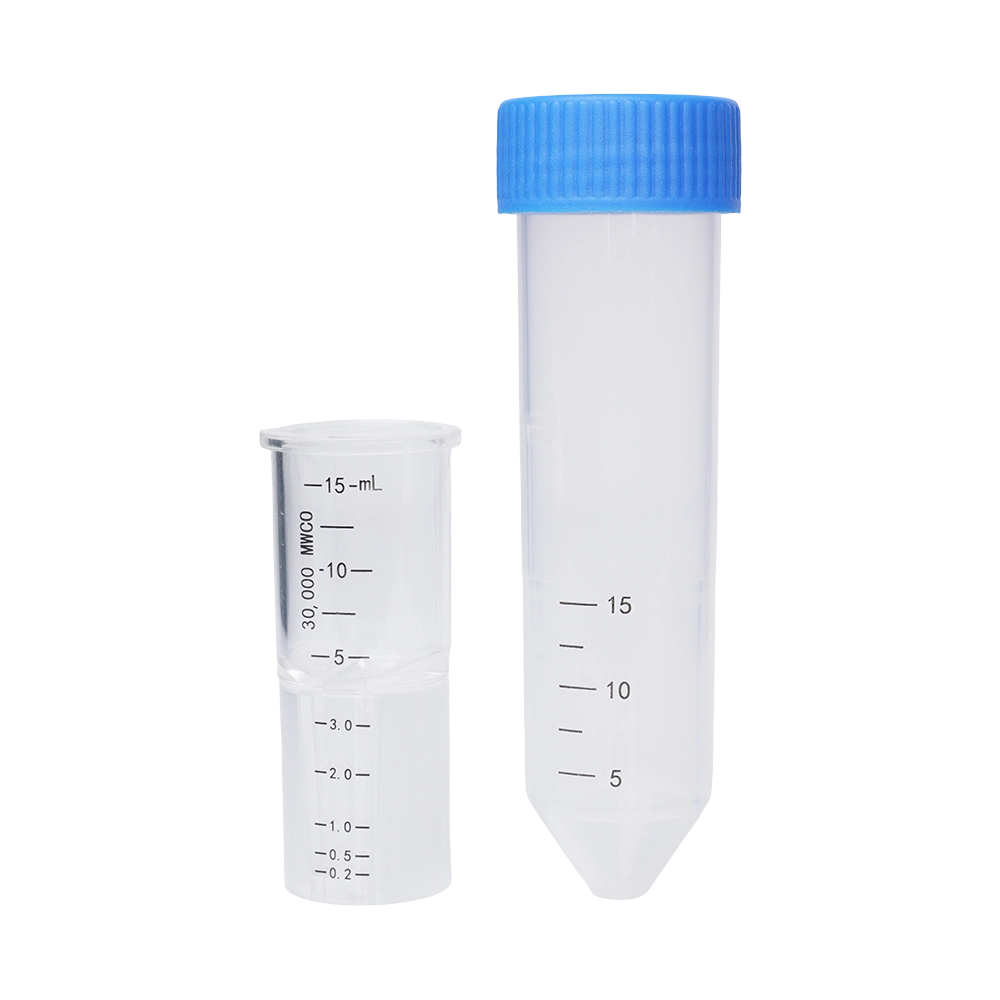
- 3.4 Qiujing Smooth Inner Wall Biological Sample Collection USP-6 PP Material High Transparency Centrifuge Tube
- 3.5 Qiujing High Centrifugal Efficiency USP87 Certified Reliable Results Ultrafiltration Centrifuge Tube
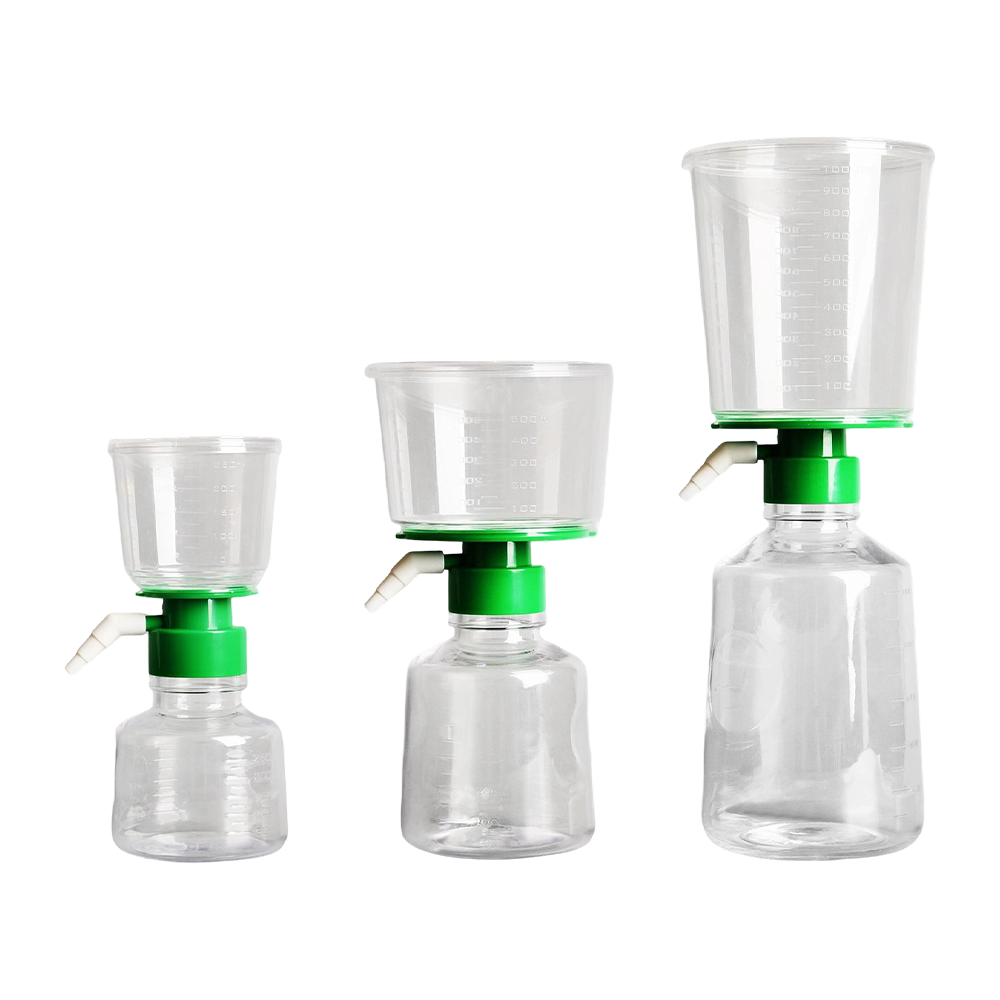
- 3.6 Qiujing Disposable Single-Use Pre-Sterilized Vacuum Filter Device Vacuum Filtration
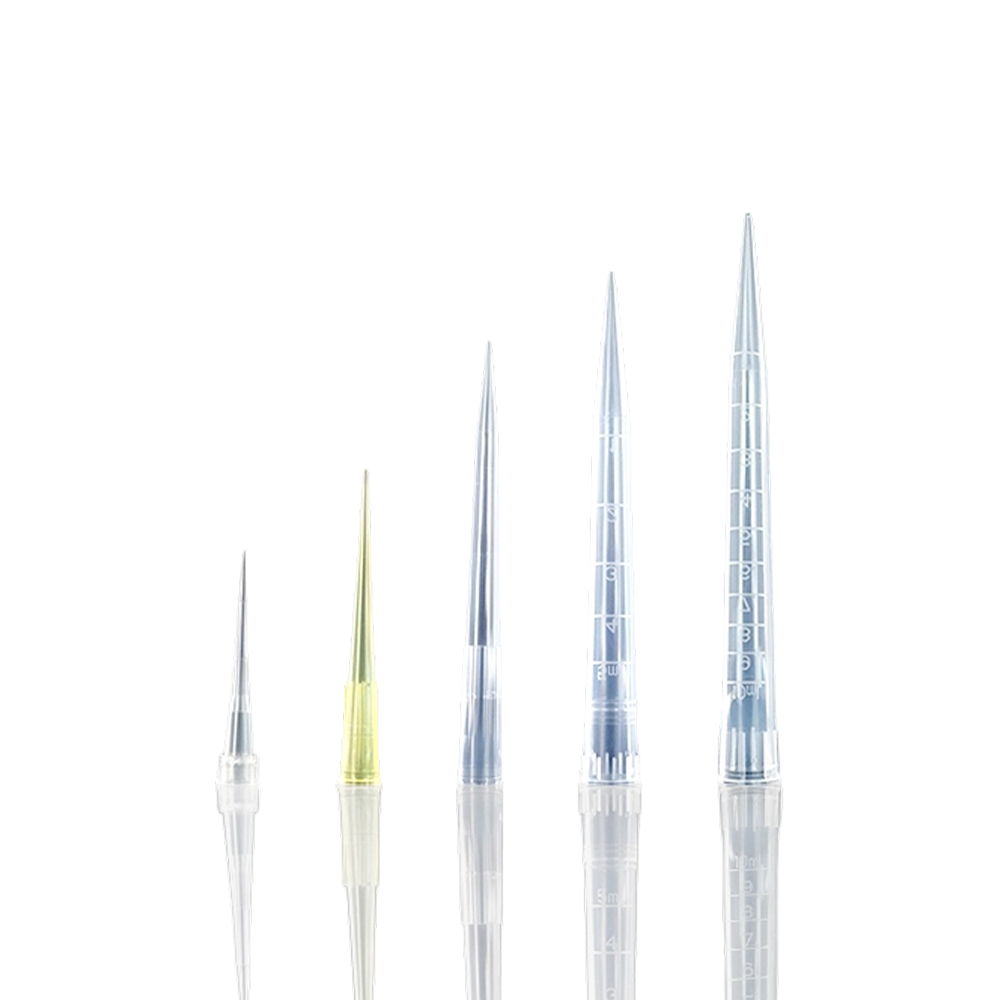
- 3.7 Qiujing No Heat Source Bagged Racked Clear Low Retention Laboratory Pipette Tips
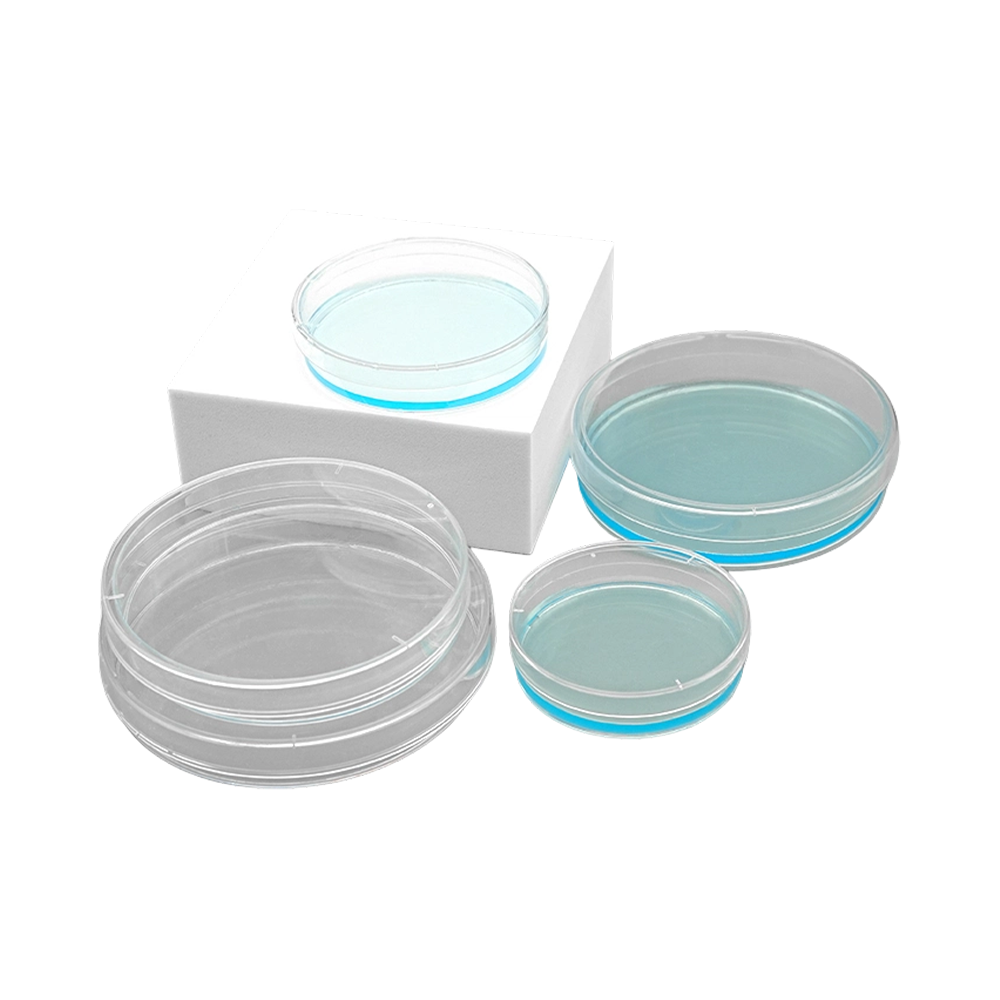
- 3.8 Qiujing High Transparency Round Shape High-Quality Laboratories Petri Dish For Bacteria Culture
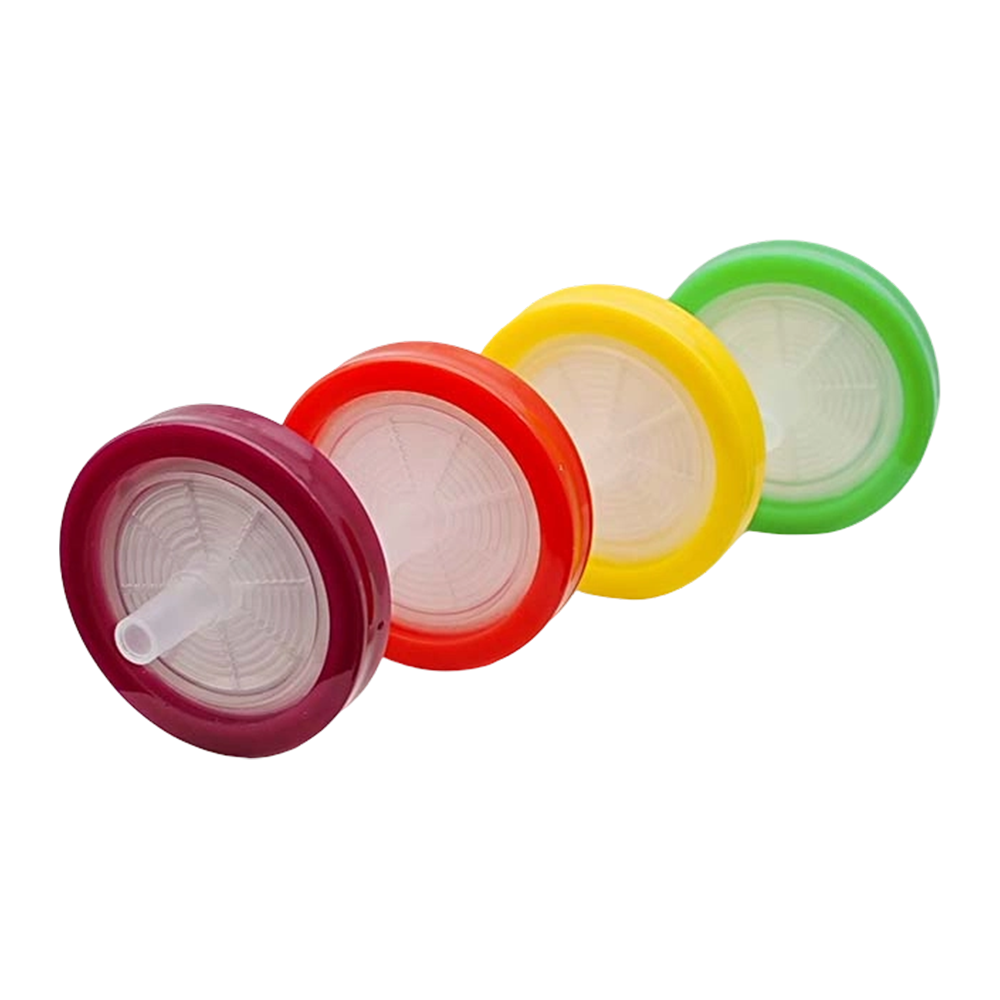
- 3.9 Qiujing Hydrophilic Good Filtering Effect Hydrophobic Low Adsorption Organic Syringe Filter
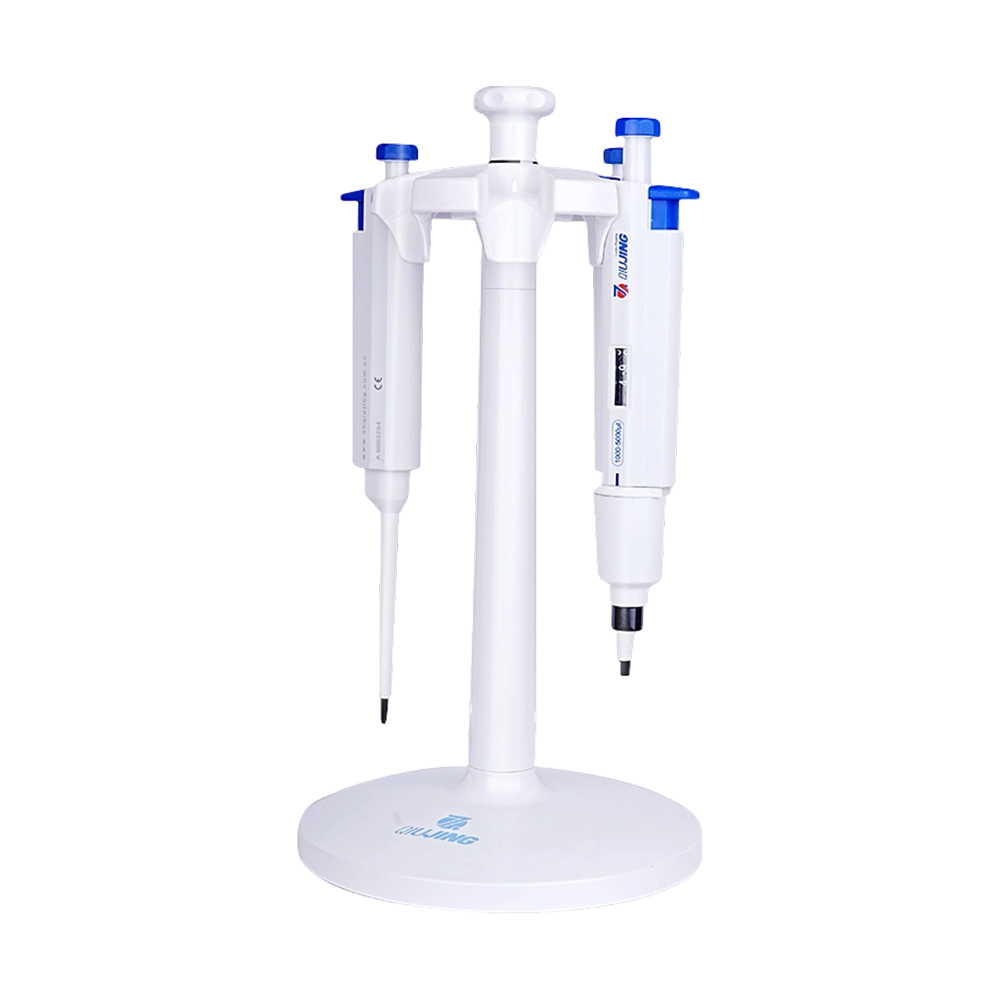
- 3.10 Qiujing Space Saving Non-Slip Foot Pad Round Stand Durable Cylinder-Shaped Pipette Holder
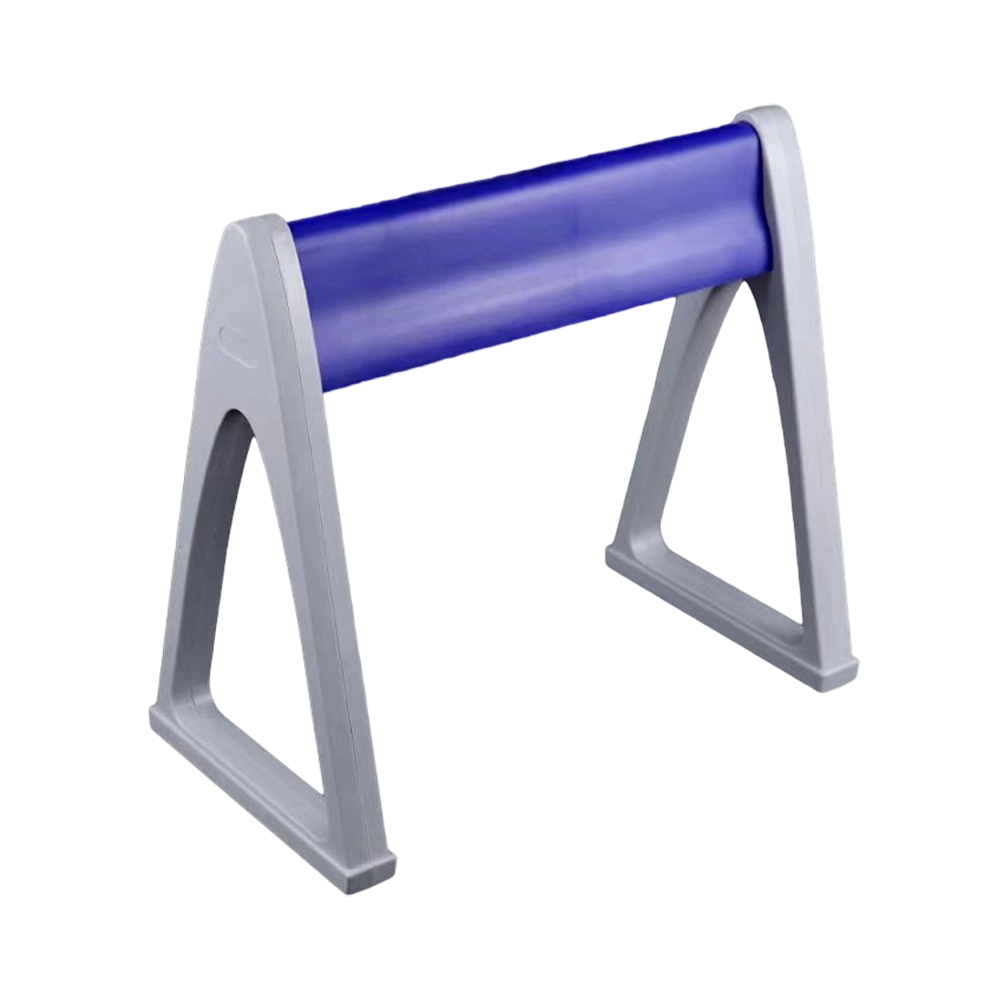
- 3.11 Qiujing L-Shaped Pipette Holder Lab Linear Pipette Stand Tri-Angle Stand For Pipette
- 4 Material and Quality Terms Explained
- 5 Syringe Filter Types: Hydrophilic or Hydrophobic
- 6 A Simple Consumption Example
- 7 How to Build a Stocking Plan
- 8 What a China Laboratory Consumables Factory Should Control
- 9 Supplier Scorecard
- 10 Common Buyer Questions
- 11 Source Laboratory Consumables with Confidence
What Are Laboratory Consumables
Laboratory consumables are the single use or short life items that touch your sample: tubes, pipette tips, filters, dishes, and counting slides. Unlike an instrument, they are replaced constantly, so a small quality difference is repeated thousands of times a year.
The Qiujing range states that its consumables are produced with high precision manufacturing tools, follow FDA QSR standards, and are odor free, smooth, and transparent. That description is a useful baseline when you compare any Laboratory Consumables supplier.
A consumable is a small item, but a failed lot can ruin a whole experiment.
Five Workflow Stages and What Each Needs
Mapping consumables to stages prevents both gaps and duplicate stock. Here is how the Qiujing range fits a typical workflow.
Collection and Separation
The smooth inner wall centrifuge tube is made of PP to a USP-6 specification and suits bacteria, cells, and proteins. The ultrafiltration centrifuge tube is USP87 certified, with high retention accuracy and low protein adsorption. Pair them with a laboratory centrifuge.
Culture
The high transparency round petri dish is a shallow, lidded dish for bacteria culture. Clear plastic lets you check colonies without opening the lid.
Liquid Handling
Pipette tips come bagged and racked, in a clear low retention design with no heat source. Cylinder shaped and L-shaped pipette holders keep pipetting equipment upright and protected on the bench.
Filtration
The single use vacuum filter device is pre-sterilized, and syringe filters are offered in hydrophilic and hydrophobic types with low adsorption.
Counting
Three cell counting chamber slides cover different reading styles: an H-shaped groove design, a metal silver bottom with bright lines, and a dark line version. All are described with clear scale lines for easy reading and accurate counting.
Qiujing Laboratory Consumables Series
Every consumable model listed in the range, from slides and tubes to filters and holders. Select a card to open the full product page.
Swipe or scroll sideways to see all 11 models
Material and Quality Terms Explained
Product pages for Laboratory Consumables often use short technical terms. The table below translates the terms used across the Qiujing range into practical meaning.
| Term | Where It Appears | Practical Meaning |
|---|---|---|
| PP with USP-6 | Centrifuge tube | Polypropylene body made to a plastics specification, clear enough to check samples |
| USP87 | Ultrafiltration tube | Relates to biological reactivity testing of the material |
| FDA QSR | Factory quality system | A quality system regulation followed during production |
| Pre-sterilized | Vacuum filter device | Ready to use, so no extra sterilizing step is needed |
| No heat source | Pipette tips | Also known as pyrogen free, which protects cell and sensitive assays |
| Low retention | Pipette tips | Less liquid stays on the wall, which helps small and viscous samples |
Syringe Filter Types: Hydrophilic or Hydrophobic
The direct answer is to match the membrane to the liquid. Water based samples need a hydrophilic membrane, while organic solvents and gases suit a hydrophobic one. Check the pore size options on the product page before you order.
Hydrophilic
Aqueous samples and buffers. Wets easily and passes water based liquid with low adsorption.
Hydrophobic
Organic solvents and vent applications. Repels water, so it is not suited to plain aqueous samples.
Quick Rule: For small volumes use a syringe filter, and for larger volumes use the single use vacuum filter device so the run does not need to be split into many filters.
A Simple Consumption Example
Consumption planning prevents shortages. A 96 well plate filled with a multichannel pipette uses 96 pipette tips. Here is what that means for a busy bench.
Over a five day week that is 9,600 tips for one reagent step alone, and 38,400 tips over four weeks. Add a second reagent addition and the number doubles. This is why tip quality and supply stability matter more than almost any other consumable choice.
How to Build a Stocking Plan
Sort consumables into three tiers and set a different reorder rhythm for each.
What a China Laboratory Consumables Factory Should Control
Many buyers compare a China Laboratory Consumables Supplier by catalog size. A better test is to ask which production steps the factory controls itself. Four stages decide consumable quality.
Shanghai Qiujing Biochemical Reagent and Instrument Co., Ltd. has worked in the laboratory field since 1988 and holds CE and ISO 13485 quality system certifications. As a China Laboratory Consumables Factory, it can supply consumables together with laboratory instruments, which is useful when tips, tubes, and instruments must fit each other. For a wider view of equipment choices, read the laboratory instruments buyer guide and the pipetting equipment guide.
Supplier Scorecard
| Criteria | What Good Looks Like | How to Verify |
|---|---|---|
| Certificates | CE and ISO 13485 on file | Ask for copies, or view the certification page |
| Material data | Named polymer and standard | Request a datasheet per item |
| Lot control | Lot number on every pack | Check sample packs on arrival |
| Compatibility | Fits your rotor, rack, and pipette | Run a trial on your own equipment |
| Trial policy | Samples before bulk orders | Confirm with the sales team |
Common Buyer Questions
Which consumables should a new lab buy first
Start with pipette tips, centrifuge tubes, and petri dishes, then add holders and filters as workflows grow.
How do I choose between filter types
Use syringe filters for small volumes and the vacuum filter device for larger volumes. Match membrane type to the liquid.
Are cell counting slides interchangeable
Not always. Choose the line style that matches your reading method, and confirm fit with your microscope or counter.
Can consumables ship with instruments
Mixed orders can be discussed with the sales team, which simplifies setup of a new bench.
Source Laboratory Consumables with Confidence
The best consumables are the ones that match your workflow, fit your instruments, and arrive consistently. Review the full laboratory consumables range, or talk to our team about your market and volume needs.
Contact Our Sales TeamPhone
+86-021-62403896
Email
roger@shqiujing.com.cn

-
 +86-021-62403896
-

-
 roger@shqiujing.com.cn
-
Building 4, Lane 455, Zhuting Road, Yexie Town, Songjiang District, Shanghai, China
Copyright © Shanghai Qiujing Biochemical Reagent & Instrument Co., Ltd. All Rights Reserved. OEM/ODM Laboratory Equipment Manufacturer Laboratory Instruments Factory
