 English
 русский
 Español
 عربى

Which Pipetting Equipment Is Right for Your Laboratory: A Buyer Guide from a China Supplier
Direct Answer
Choose pipetting equipment in this order: first match the volume range to your daily work, then pick single channel or multichannel, then decide between manual and electric operation, and finally check material resistance and calibration support. For most labs, a set of single channel micropipettes covering 0.5 uL to 1000 uL, one multichannel pipette for plate work, and a macropipette for volumes above 1 mL will cover more than 90% of routine tasks. A reliable China Pipetting Equipment Supplier should help you build that set, document accuracy, and support repeat orders.
Pipetting is one of the most repeated actions in any laboratory. A technician running a 96 well assay can perform several hundred aspirate and dispense cycles in a single shift, and a small error in each cycle adds up to a large error in the final result. That is why the choice of pipetting equipment matters far more than its small size suggests. This guide explains how to select equipment, compares the main types, and shows which products fit which working scenario. It is written for purchasing managers, lab technicians, and distributors who source from a China Laboratory Pipette Supplier.
Content
- 1 How to Choose Pipetting Equipment for a Laboratory
- 2 Micropipette vs Macropipette: Which Is Better
- 3 Qiujing Pipetting Product Series
- 3.1 Qiujing Lucky Series Single Channel Micropipette
- 3.2 Qiujing Lotus Series Single Channel Fully Autoclavable Micropipette
- 3.3 Qiujing Eco Series Micropipette Electric Pipettor
- 3.4 Qiujing Lucky Series 8-Channel Micropipette
- 3.5 Qiujing Lucky Series 12-Channel Micropipette
- 3.6 Fully Autoclavable Micropipette
- 3.7 Qiujing Airy Series Miniature Micropipette
- 3.8 Qiujing Sturdy Series Stepmate Stepper Pipette
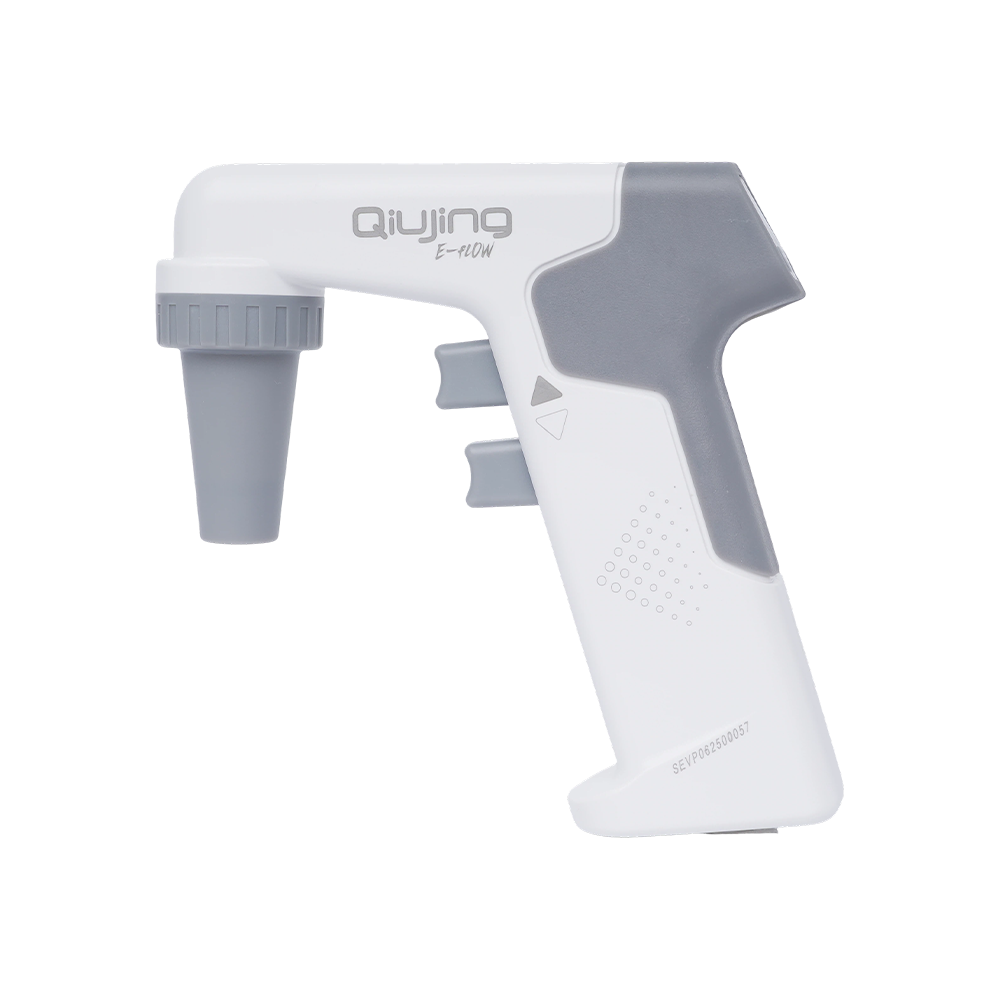
- 3.9 Qiujing E-flow Series Electric Large Capacity Pipette
- 3.10 Qiujing H-Flow Series Manual Large Volume Pipettes
- 3.11 Qiujing Adjustable Quantitative Pipettor - Bustle Series
- 3.12 Qiujing High Efficiency And Low Noise Safety Automatic Micro Liquid Dispenser X8
- 4 Manual Pipette vs Electric Pipettor: Which Should You Buy
- 5 Best Pipetting Equipment for Specific Scenarios
- 6 Automatic Micro Liquid Dispenser: Manufacturer, Factory and OEM/ODM
- 7 Why Source from a China Pipetting Equipment Factory
- 8 Procurement Checklist Before You Order
- 9 Conclusion
How to Choose Pipetting Equipment for a Laboratory
The best selection process starts with your work, not with a catalog. Write down the volumes you handle, the sample types, the number of samples per day, and the cleaning routine. Then work through the four checks below.
Check 1: Match the Volume Range
A pipette is most accurate in the upper part of its range. Using a 1000 uL pipette to dispense 50 uL gives noticeably worse accuracy than using a 100 uL pipette for the same job. The practical rule is to keep the working volume between 35% and 100% of the pipette maximum. A typical lab set therefore includes several models, for example 0.5 to 10 uL, 10 to 100 uL, and 100 to 1000 uL.
Check 2: Decide Between Single Channel and Multichannel
For a 96 well plate, a single channel pipette needs 96 dispensing strokes. An 8 channel model needs only 12 strokes, and a 12 channel model needs only 8. That is a reduction of 87.5% to 91.7% in hand movements, which also lowers repetitive strain and reduces the chance of skipping a well.
Check 3: Choose Manual or Electric Operation
Manual pipettes are simple, durable, and well suited to low or moderate daily volume. Electric pipettors reduce thumb force and give programmable modes, which helps staff who pipette for several hours a day.
Check 4: Confirm Material Resistance and Verification
If your lab sterilizes equipment by autoclave or works with aggressive solvents, ask whether the whole pipette body can be autoclaved. Also confirm that the supplier provides a calibration report for each unit, and that spare parts such as seals and O rings are available for the long term.
Selection Tip
Before you place a bulk order, request a small trial batch and test it gravimetrically with distilled water at the lowest, middle, and highest volume settings. Ten repeat dispenses at each point are enough to reveal systematic and random error.
Micropipette vs Macropipette: Which Is Better
The direct answer is that neither is better in general. They serve different volume ranges. Micropipettes cover the microliter range used in molecular biology, immunoassays, and analytical sample preparation. Macropipettes cover the milliliter range used for media preparation, buffer transfer, and large volume dilution. Most laboratories need both.
| Factor | Micropipette | Macropipette |
|---|---|---|
| Typical volume range | 0.1 uL to 10 mL | 1 mL to 100 mL |
| Main applications | PCR setup, ELISA, sample loading | Media, buffers, serial dilution |
| Operation styles | Single, multichannel, electric, stepper | Manual and electric |
| Accuracy focus | Very small volume precision | Speed and ease for large volumes |
| Recommended for | Research and clinical labs | Teaching, media rooms, production |
If you can buy only one type first, start with micropipettes because they cover the widest range of tasks. Add macropipettes once your workflow includes regular transfers above 5 mL. You can browse the full micropipette range and the macropipette range to compare specifications.
Qiujing Pipetting Product Series
Explore the pipetting models offered by Shanghai Qiujing Biochemical Reagent and Instrument Co., Ltd. Each card links to the full product page with specifications and ordering details.
Swipe or scroll sideways to see all 12 models
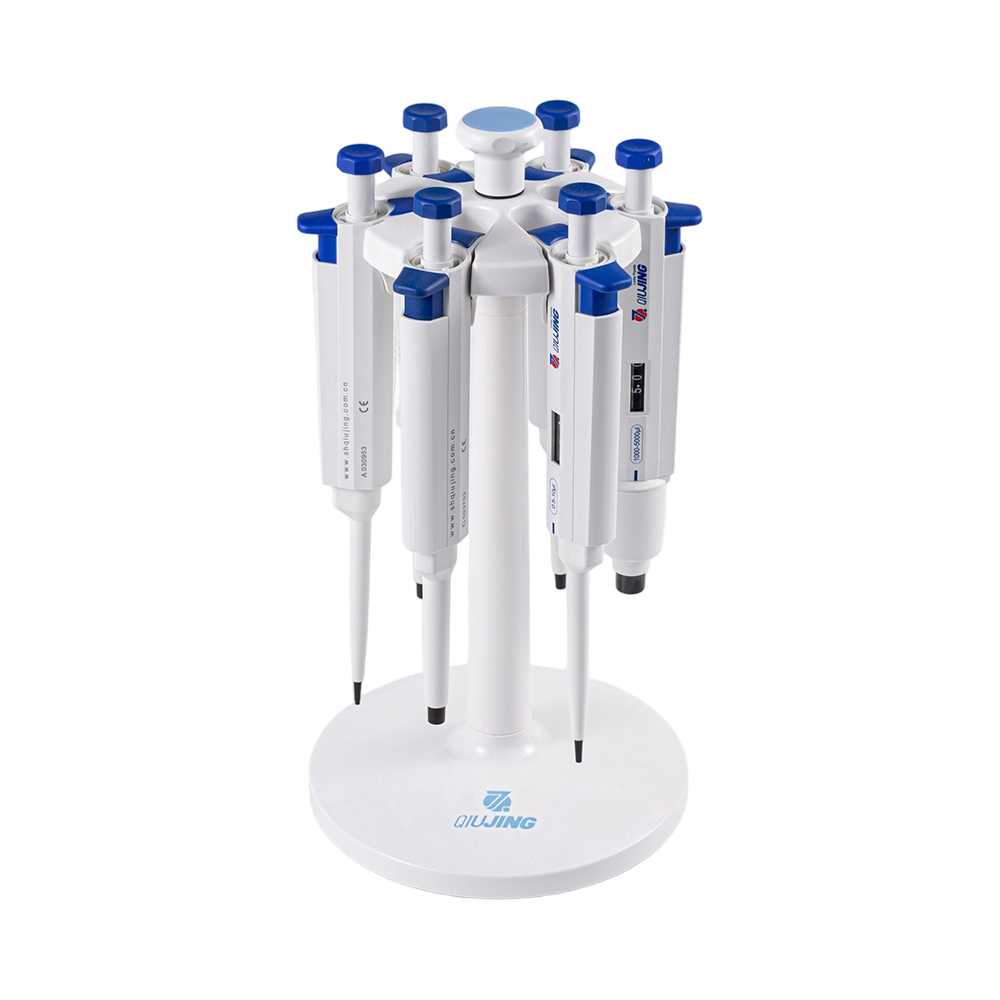
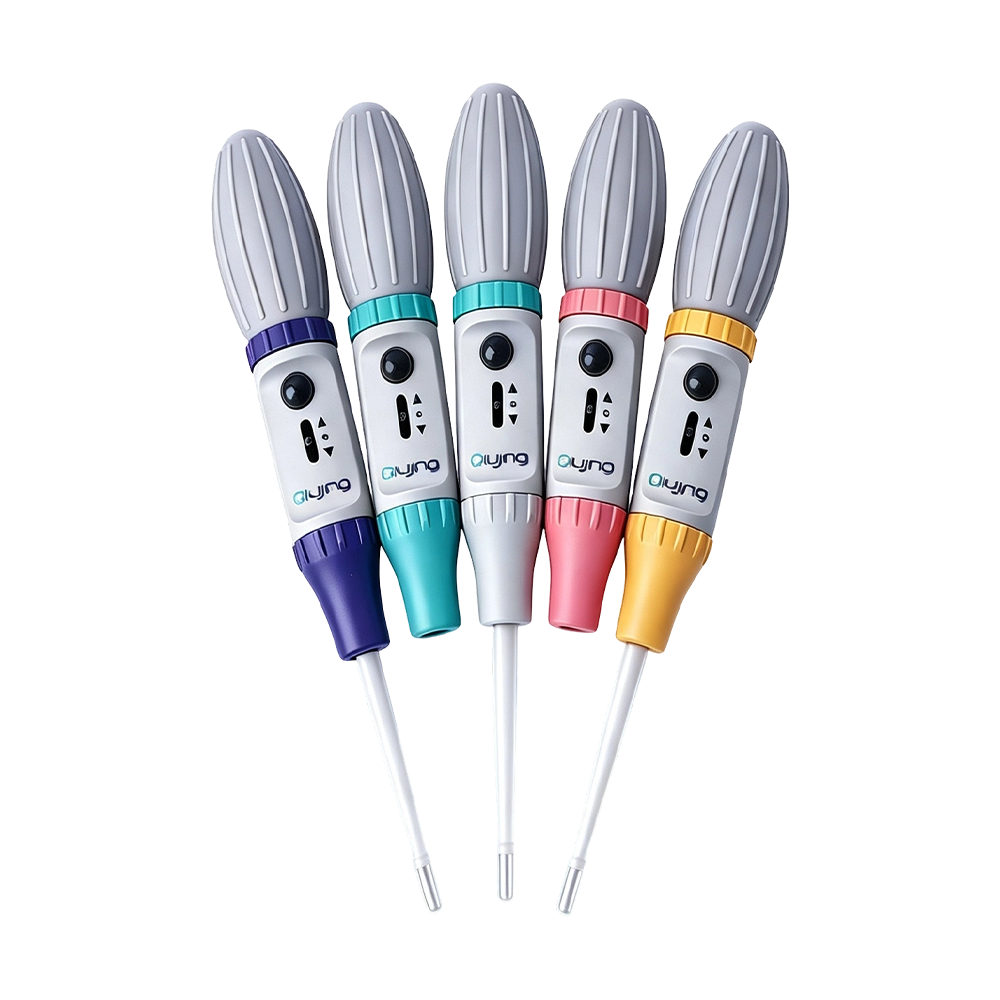
Qiujing Lucky Series Single Channel Micropipette
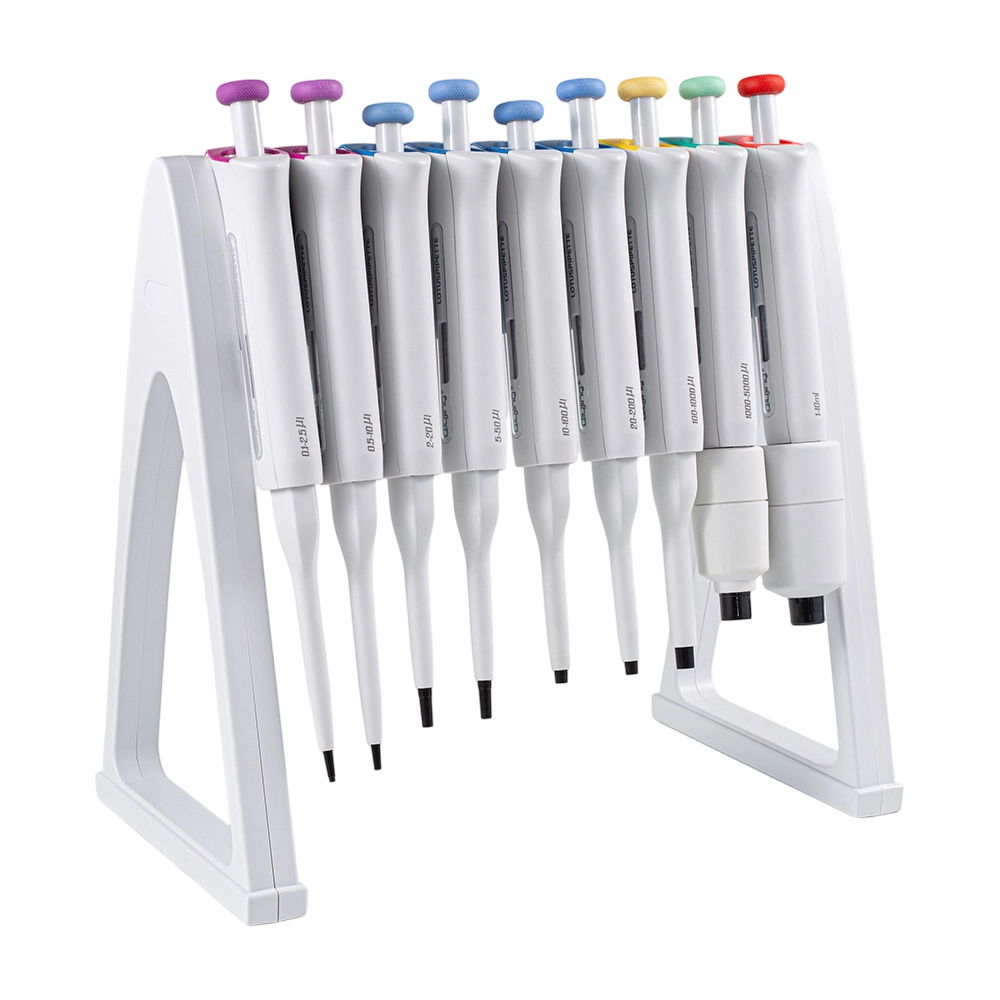
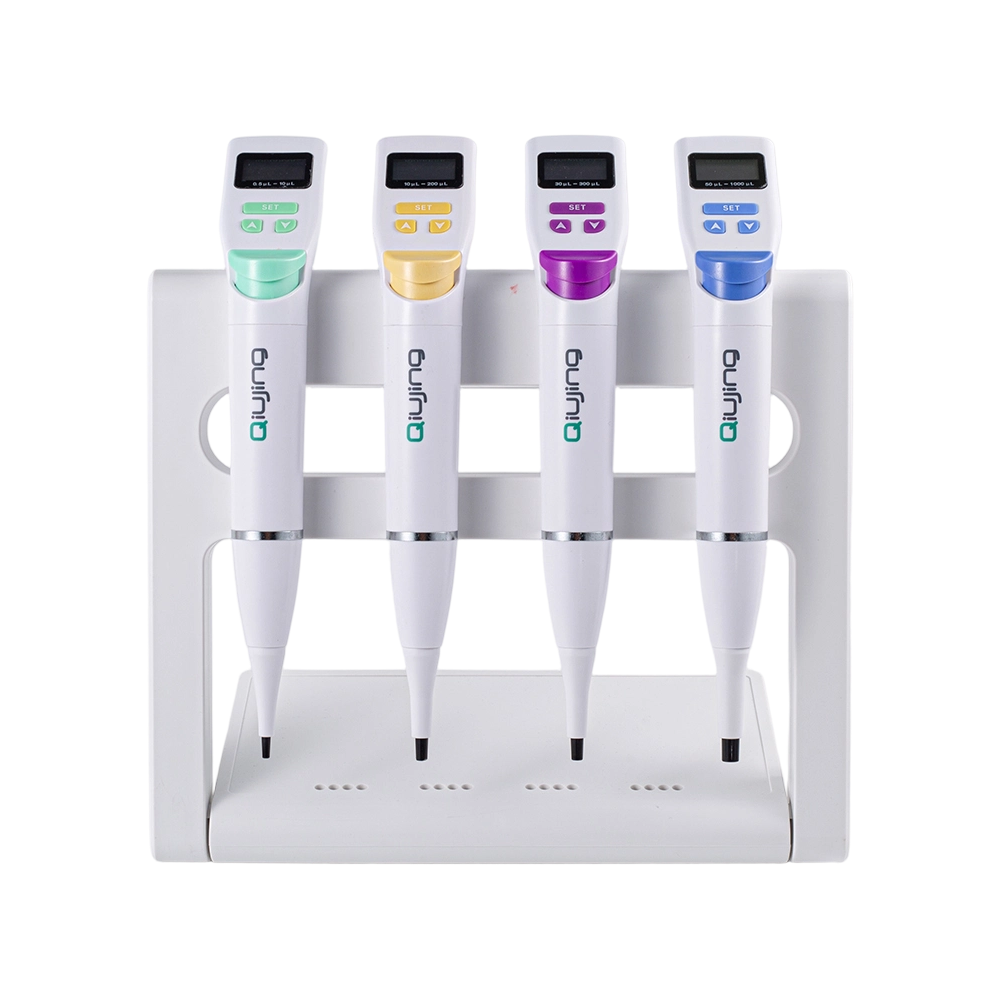
Qiujing Eco Series Micropipette Electric Pipettor
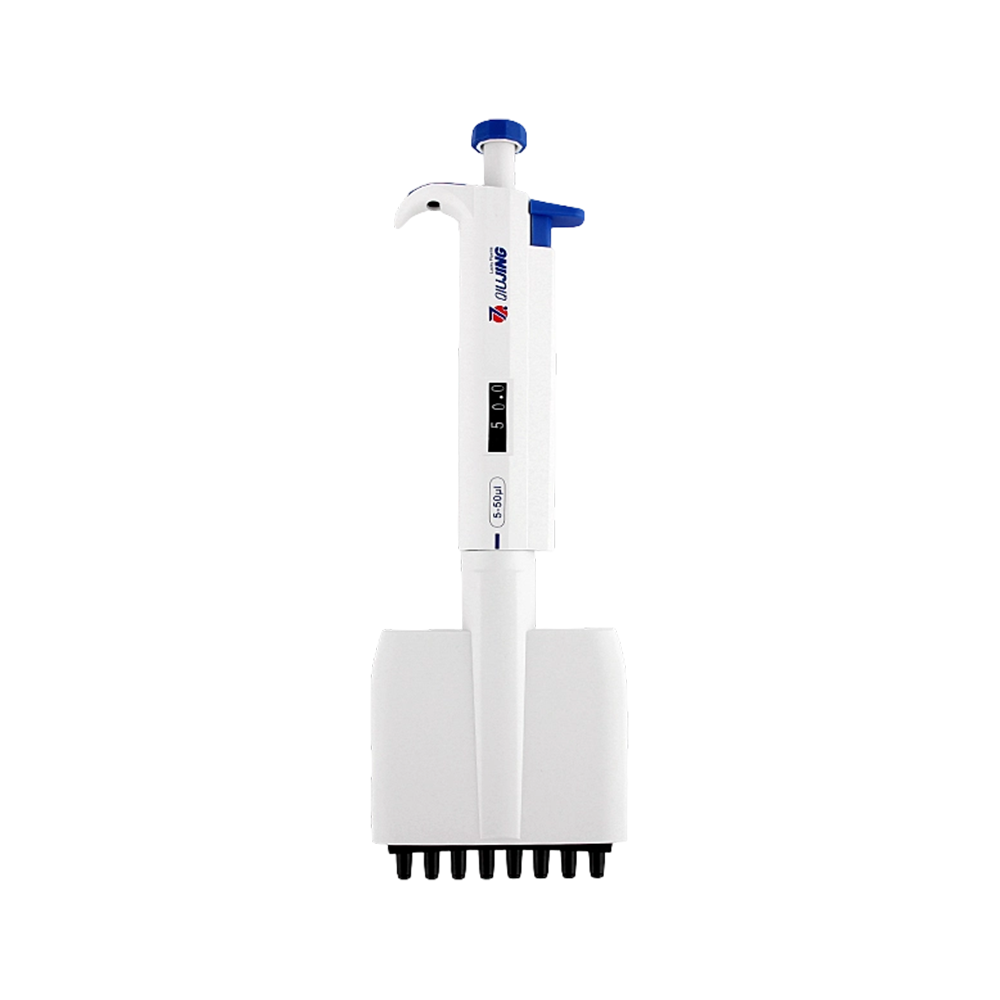
Qiujing Lucky Series 8-Channel Micropipette
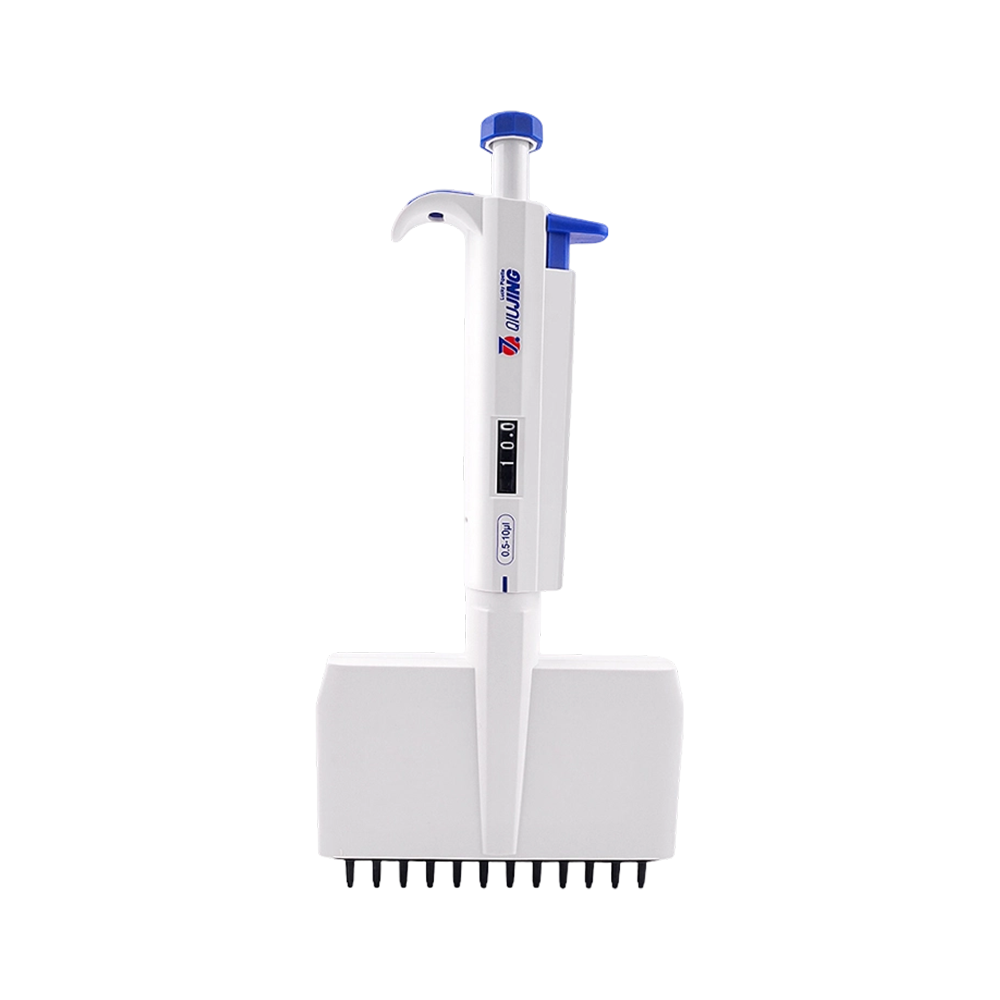
Qiujing Lucky Series 12-Channel Micropipette
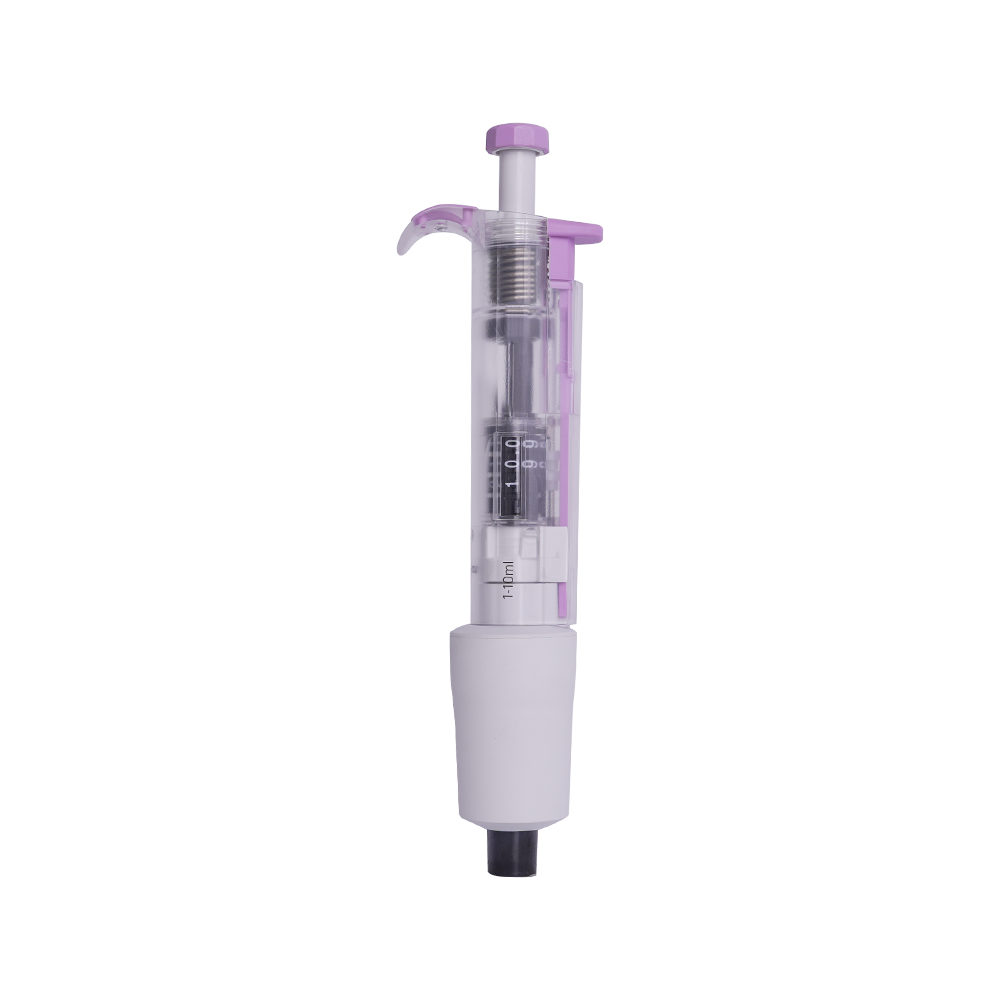
Fully Autoclavable Micropipette
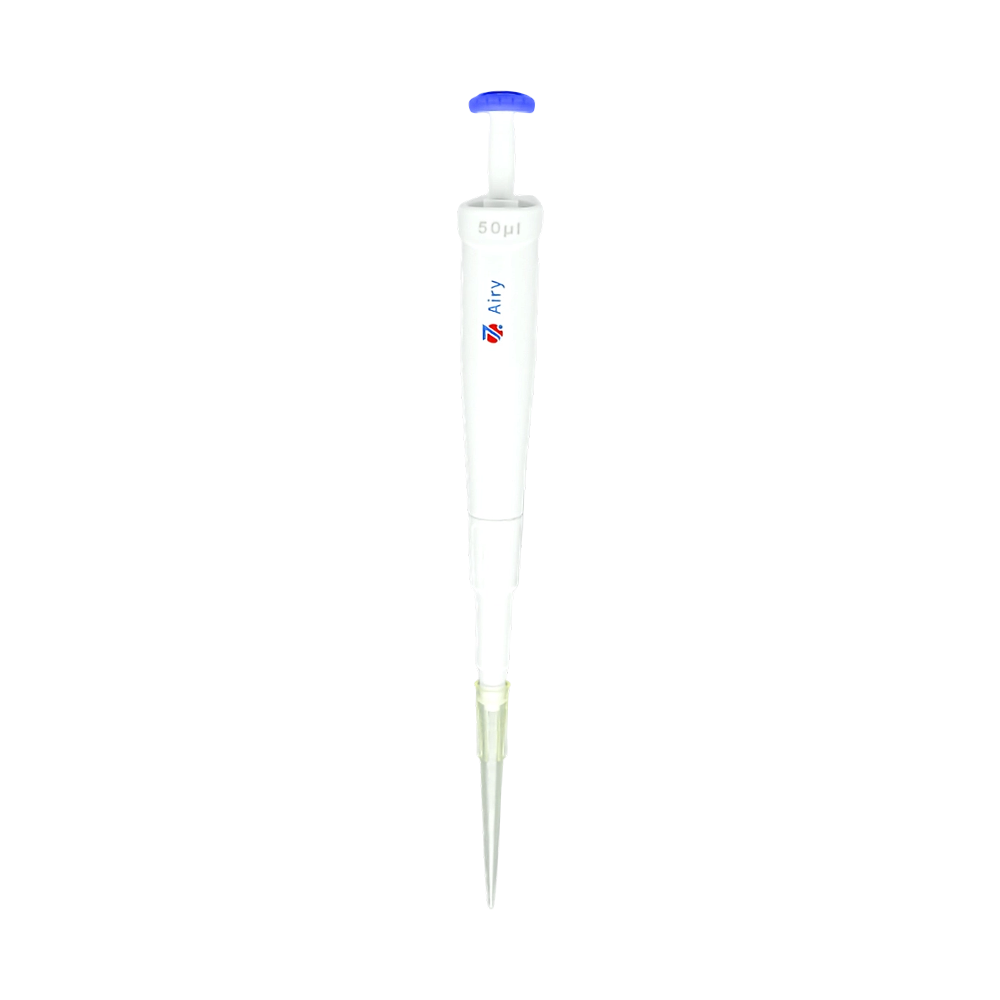
Qiujing Airy Series Miniature Micropipette
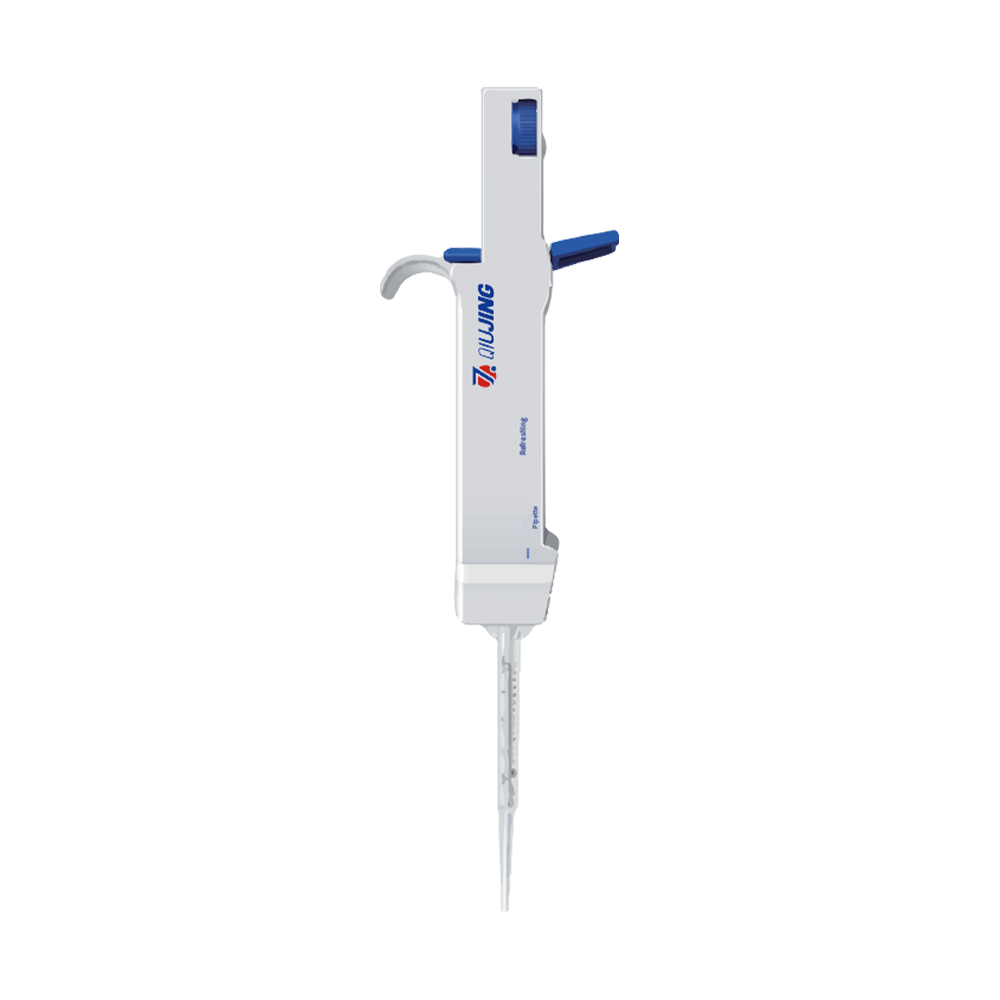
Qiujing Sturdy Series Stepmate Stepper Pipette
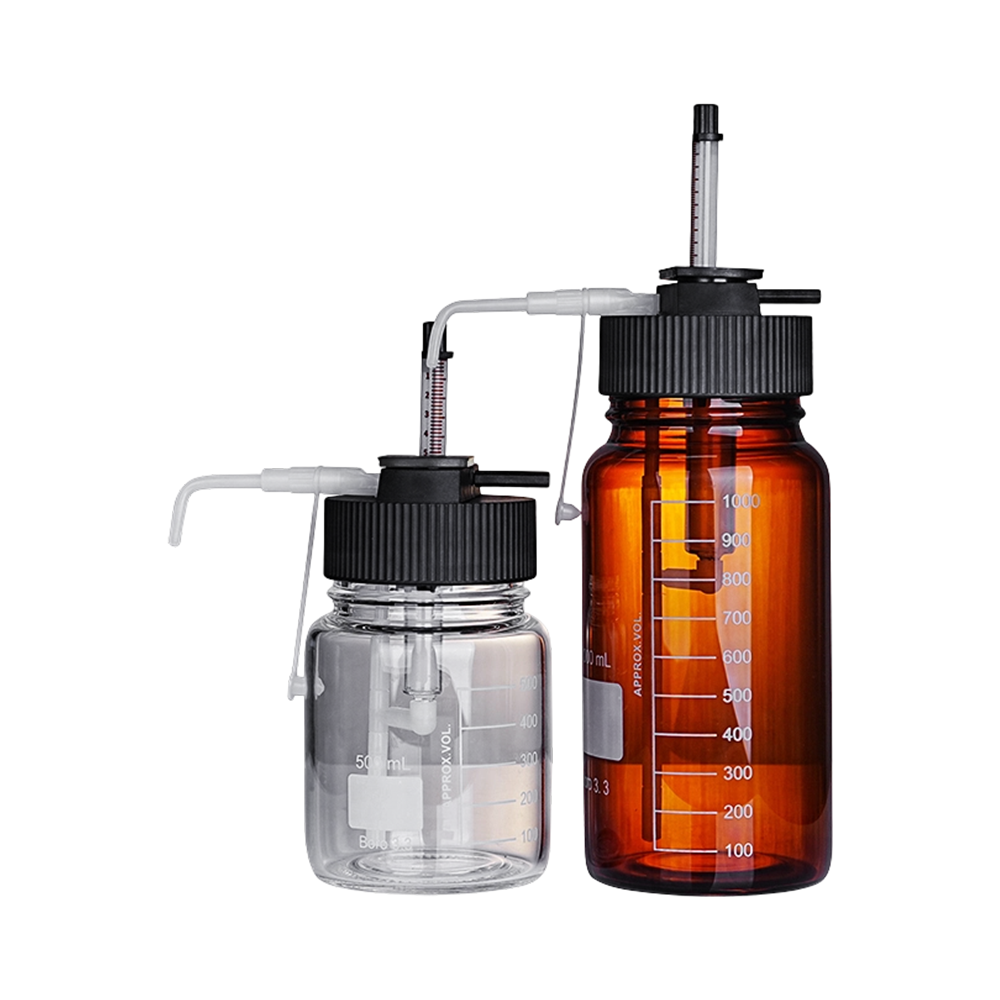
Qiujing H-Flow Series Manual Large Volume Pipettes
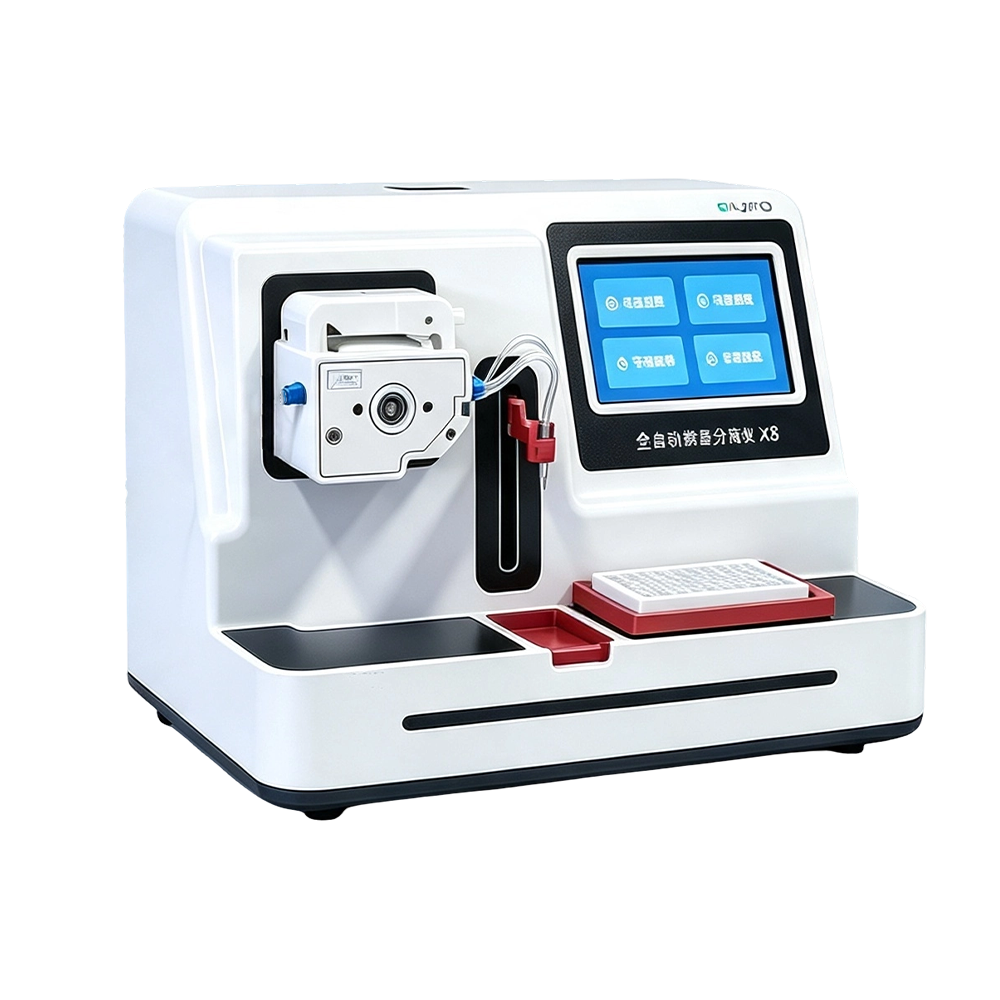
Qiujing High Efficiency And Low Noise Safety Automatic Micro Liquid Dispenser X8
Manual Pipette vs Electric Pipettor: Which Should You Buy
Choose a manual pipette when your daily workload is light, the budget for maintenance is limited, and the operators are experienced. Choose an electric pipettor when staff pipette for long sessions, when several people share the same device, or when you need repeatable speed and programmed modes. The Qiujing Eco Series Micropipette Electric Pipettor, for example, offers three pipetting modes, which helps standardize technique between different operators.
| Criteria | Manual Pipette | Electric Pipettor |
|---|---|---|
| Operator fatigue | Higher during long sessions | Lower, motor assisted |
| Technique dependence | High, depends on thumb control | Lower, speed is controlled |
| Maintenance | Seals and springs only | Seals plus battery care |
| Best fit | Teaching and routine tasks | High volume and shared use |
Best Pipetting Equipment for Specific Scenarios
Search behavior shows that buyers rarely ask for a pipette in general. They ask for a pipette that suits a defined job. The table below maps common scenarios to the most suitable type, based on the Qiujing range.
| Scenario | Recommended Type | Reason |
|---|---|---|
| General molecular biology | Lucky Series single channel | Broad volume coverage for daily setup |
| 96 well plate assays | Lucky 8 or 12 channel | Cuts strokes from 96 to 12 or 8 |
| Sterile or cell culture work | Lotus Series fully autoclavable | Whole body can be sterilized |
| Repeat dispensing of one volume | Sturdy Series Stepmate stepper | One aspiration, many identical doses |
| Narrow benches and tight racks | Airy Series miniature | Compact body for small spaces |
| Large volume transfer | E-flow electric or H-Flow manual | Fast, controlled milliliter handling |
Example: A Clinical Screening Lab
A lab that runs 20 plates per day with a single channel pipette performs 1,920 dispensing strokes just for one reagent addition. With a 12 channel pipette the same task needs 160 strokes. Over a five day week, that is a difference of 8,800 strokes per operator, which explains why multichannel models are the first upgrade most screening labs request.
Example: A University Teaching Lab
Teaching labs need durable, easy to clean equipment that can be shared by many students. A fully autoclavable single channel pipette and a manual macropipette cover most practical sessions, and spare seals keep the fleet running for years.
Automatic Micro Liquid Dispenser: Manufacturer, Factory and OEM/ODM
When the workload moves from hundreds to thousands of dispenses per day, a handheld pipette reaches its limit. An automatic micro liquid dispenser takes over the repetitive part of the work, delivering fixed volumes quickly with consistent technique. The Qiujing High Efficiency And Low Noise Safety Automatic Micro Liquid Dispenser X8 is designed for this role and is widely used where steady, quiet operation matters.
Buyer Note
If you are looking for an Automatic Micro Liquid Dispenser Manufacturer, ask three questions: who designs the dispensing mechanism, who assembles and tests every unit, and who supports spare parts after delivery. An Automatic Micro Liquid Dispenser Factory that controls all three steps in one place can respond faster to technical changes.
What OEM/ODM Automatic Micro Liquid Dispenser Projects Include
Distributors and instrument brands often need a product that carries their own name or a slightly different configuration. OEM/ODM Automatic Micro Liquid Dispenser projects typically cover the following areas:
- Private label housing, logo, and packaging design
- Adjusted volume ranges and dispensing modes for a target market
- Custom manuals, labels, and language versions
- Batch level calibration records for each shipment
- Long term supply planning for repeat orders
Qiujing supports these projects from its Shanghai base. You can send your requirement through the contact page and have an engineer review the configuration before production begins.
Why Source from a China Pipetting Equipment Factory
China has become a major source of laboratory liquid handling tools because manufacturers there combine precision machining, short lead times, and wide customization. A China Pipetting Equipment Factory that owns its tooling can adjust specifications without long delays, and a China Laboratory Pipette Factory with an in house test bench can verify every unit before shipment.
Shanghai Qiujing Biochemical Reagent and Instrument Co., Ltd. has been in the laboratory instrument field since its brand was established in 1988, and it completed Chinese and English trademark registration in 1992. The company holds CE and ISO 13485 quality system certifications, and it supports both domestic and overseas customers. The factory covers 3,000 square meters and the company lists more than 15 core products across pipetting and laboratory instruments.
| Supplier Check | What to Look For |
|---|---|
| Quality system | CE and ISO 13485 certificates that can be verified |
| Production control | In house assembly and unit by unit testing |
| Range depth | Micropipettes, macropipettes, and dispensers together |
| After sales | Spare parts, calibration guidance, and fast replies |
| Customization | Clear OEM/ODM process and sample approval step |
Buyers who compare options often search for a China Laboratory Pipette Supplier and a China Pipetting Equipment Supplier at the same time, because the best partner is usually one that does both: it supplies finished products and also manufactures them. That combination shortens communication and keeps quality consistent from the first order to the tenth.
Procurement Checklist Before You Order
List the volume ranges you use most often and choose a set of pipettes that covers them without overlap gaps.
Decide how many single channel, 8 channel, and 12 channel units your plate work requires.
Confirm whether autoclaving or chemical resistance is needed, and select the matching series.
Request calibration records and a trial unit, then test accuracy with distilled water.
Agree on spare parts, lead time, and packaging, and for private label work, approve a sample first.
Conclusion
The right pipetting equipment is the set that fits your volumes, your sample load, and your cleaning routine. Use micropipettes for microliter precision, macropipettes for milliliter transfers, multichannel models for plate work, electric pipettors for long sessions, and an automatic micro liquid dispenser when throughput outgrows manual handling. Working with an experienced China Pipetting Equipment Supplier that is also a China Pipetting Equipment Factory gives you product depth, documented quality, and room for OEM/ODM cooperation. To review the complete range, visit the pipetting equipment category, or contact the Qiujing sales team to discuss your requirements.

-
 +86-021-62403896
-

-
 roger@shqiujing.com.cn
-
Building 4, Lane 455, Zhuting Road, Yexie Town, Songjiang District, Shanghai, China
Copyright © Shanghai Qiujing Biochemical Reagent & Instrument Co., Ltd. All Rights Reserved. OEM/ODM Laboratory Equipment Manufacturer Laboratory Instruments Factory
